

Wednesday, January 7, 2026
  • Privacy Policy
  • Contact
  • Terms & Conditions
Environmental Magazine
Advertisement
  • Home
  • News
  • Climate Change
  • Energy
  • Recycling
  • Air
  • Fossil Fuels
  • Water
No Result
View All Result
Environmental Magazine
  • Home
  • News
  • Climate Change
  • Energy
  • Recycling
  • Air
  • Fossil Fuels
  • Water
No Result
View All Result
Environmental Magazine
No Result
View All Result
Home Water

Whose pollution is it anyway? Project will use bacteriophages to point the finger

January 5, 2026
in Water
A A

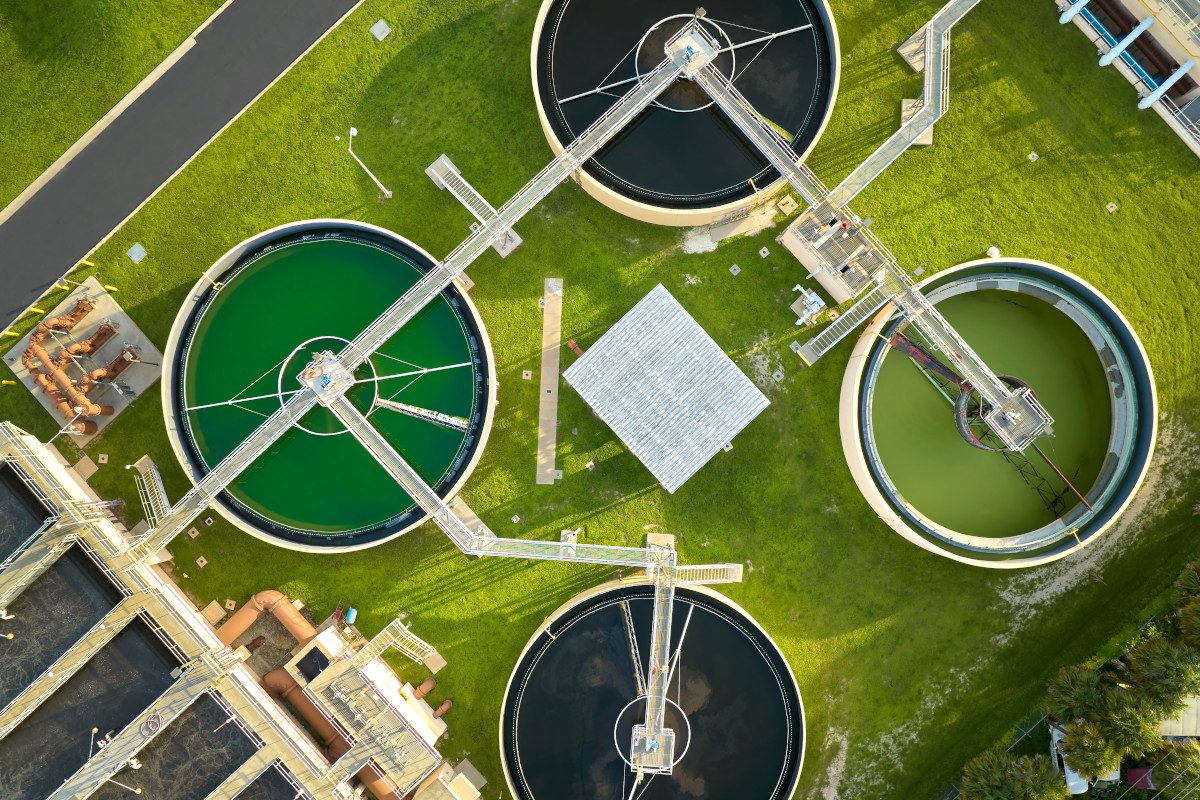
An ambitious interdisciplinary project is aiming to develop and test a first-of-its-kind tool which can trace the sources of pollution in UK water bodies. By addressing the long-standing challenge of reliably distinguishing human faecal contamination from agricultural or wildlife sources, such a tool would provide a key missing ingredient in the effort to develop a robust regulatory regime in relation to sewage pollution in rivers

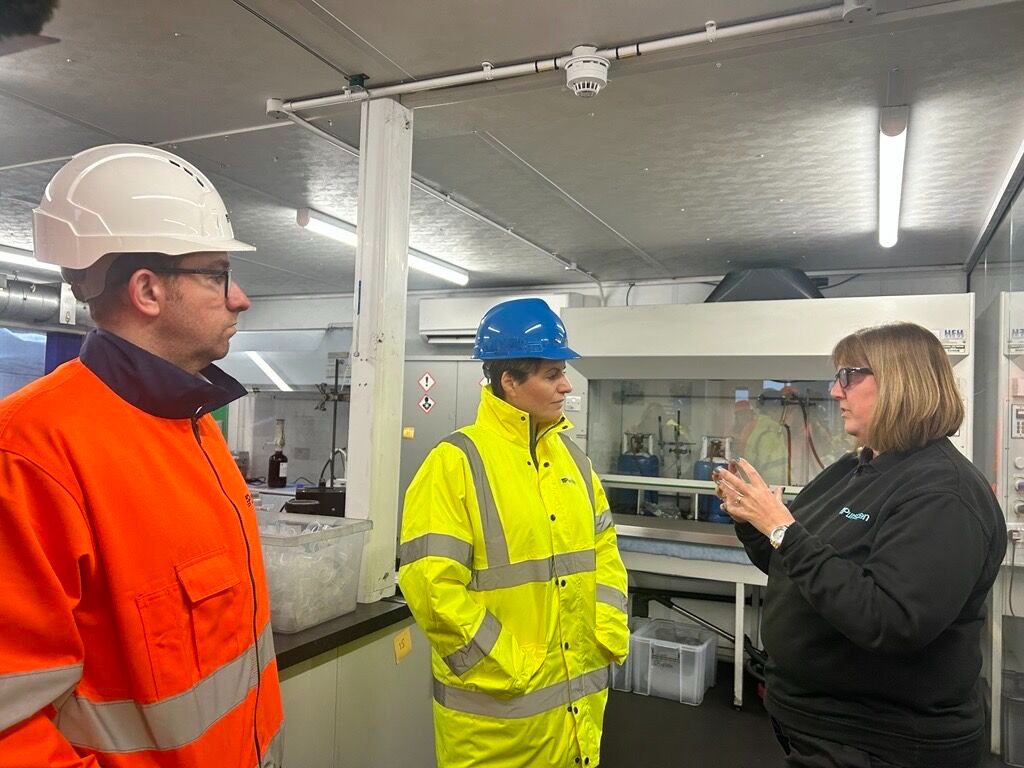
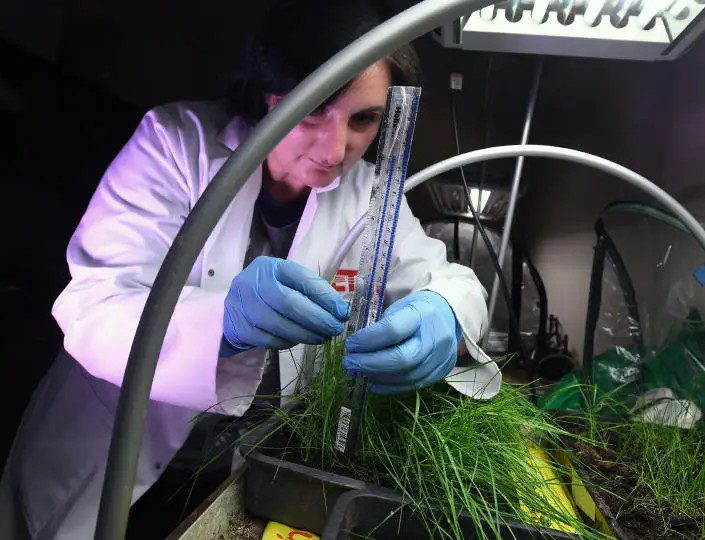
Funded by the Natural Environment Research Council (NERC), the three-year project brings together an interdisciplinary team of experts, led by the University of Brighton, in a bid to develop the tool, which would be used to trace the sources of pollution in UK water bodies, including rivers, lakes, and streams used for drinking water supply and for recreational activities.

By using advanced DNA sequencing technology, scientists can search samples for bacteriophages, which are viruses that infect bacteria and are naturally found in the human gut and faeces.

The new portable diagnostic technology envisaged by the project’s creators would enable scientists to collect and analyse water samples both in the field and in the laboratory. This would be a major improvement on the traditional water testing technology which relies on culturing bacteria in laboratories, a process that is slow and fails to reveal the presence of human contamination.

Currently, no river in England meets the “good chemical status” set by the Water Framework Directive, the internationally recognised standard which regulates the quality of water bodies across Europe. Pollutants found in sewage and industrial discharges or produced by agricultural and wild animals continue to impact water purity, leaving only 16% of English rivers classified as being of “good ecological status.”

Led by researchers at University of Brighton Centre for Environment and Society, the £950,000-project sets out to allow scientists and regulators to rapidly, accurately and cost-effectively trace human contamination to its source, helping target interventions, improve the ecological health of freshwater systems, and reduce risks to public health.

The tool is being developed in collaboration with partners from the University of Bath and University of Sheffield, working alongside the Environment Agency and other regional water service providers.

Dr Sarah Purnell, Environmental Microbiologist at the University of Brighton, said: “This project aims to significantly improve how we monitor water quality. By using advanced DNA sequencing and bacteriophage diagnostics, we aim to deliver a tool that can quickly and accurately identify human faecal pollution. This will help regulators and communities make decisions to protect water resources and public health.”

Professor James Ebdon, Co-Investigator at the University of Brighton’s Environment and Public Health Research Group, added: “This project is particularly exciting as it gives us an opportunity to use the latest biomolecular tools to advance an area of water quality management known as Microbial Source Tracking (MST) that our researchers have been trying to resolve for the past 25 years.”

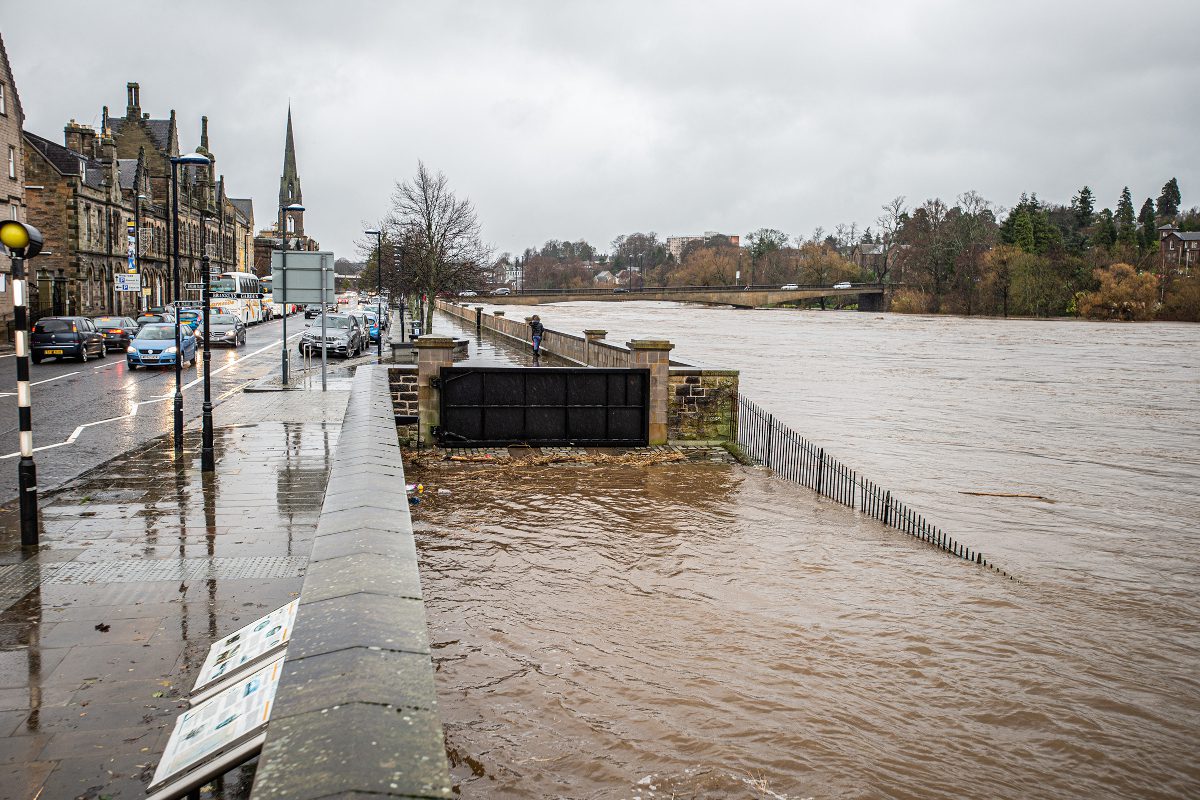
Once developed, the plan is that the technology will be implemented and tested by experts at the Environment Agency and the University of Sheffield on the River Wharfe in Yorkshire, home to England’s first inland designated bathing site at Ilkley, which has faced water quality challenges linked to sewage and runoff.

 

ShareTweetSharePinSendShare

Related Articles

Cleaning up PFAS with PFAS will backfire, warn scientists
Water

Cleaning up PFAS with PFAS will backfire, warn scientists

January 5, 2026
Water Jetting Association streamlines membership structure
Water

Water Jetting Association streamlines membership structure

December 17, 2025
Dundee-based greywater recycling startup secures £350k
Water

Dundee-based greywater recycling startup secures £350k

December 15, 2025
Using bacteria to create valuable materials from sludge: New funding announced in the Netherlands
Water

Using bacteria to create valuable materials from sludge: New funding announced in the Netherlands

December 15, 2025
Study shows promise for acid mine drainage recycling
Water

Study shows promise for acid mine drainage recycling

December 11, 2025
Rainwater-only irrigation system launches at premiership club, with accompanying awareness campaign
Water

Rainwater-only irrigation system launches at premiership club, with accompanying awareness campaign

December 7, 2025

Leave a Reply Cancel reply

Your email address will not be published. Required fields are marked *

Recommended

‘Burning Money:’ Dept. of Energy Directs 0 Million to Modernize Declining Coal Plants

‘Burning Money:’ Dept. of Energy Directs $100 Million to Modernize Declining Coal Plants

November 3, 2025
Nixon Advisers’ Climate Research Plan: Another Lost Chance on the Road to Crisis

Nixon Advisers’ Climate Research Plan: Another Lost Chance on the Road to Crisis

April 26, 2024

Don't miss it

Venezuelan Oil Brought to the U.S. Would Be Refined in Black Gulf Communities
Fossil Fuels

Venezuelan Oil Brought to the U.S. Would Be Refined in Black Gulf Communities

January 6, 2026
Study explores the lingering threat of “thirdhand smoke” in homes
Air

Study explores the lingering threat of “thirdhand smoke” in homes

January 6, 2026
The Loosely Regulated Petrochemical Barge Industry Is Commandeering a Texas River
Fossil Fuels

The Loosely Regulated Petrochemical Barge Industry Is Commandeering a Texas River

January 6, 2026
Whose pollution is it anyway? Project will use bacteriophages to point the finger
Water

Whose pollution is it anyway? Project will use bacteriophages to point the finger

January 5, 2026
Water research body says updated Carbon Accounting Workbook is now live
Air

Water research body says updated Carbon Accounting Workbook is now live

January 5, 2026
World’s first dynamic green ammonia plant begins operation in Denmark
News

World’s first dynamic green ammonia plant begins operation in Denmark

January 5, 2026
Environmental Magazine

Environmental Magazine, Latest News, Opinions, Analysis Environmental Magazine. Follow us for more news about Enviroment and climate change from all around the world.

Learn more

Sections

  • Activism
  • Air
  • Climate Change
  • Energy
  • Fossil Fuels
  • News
  • Uncategorized
  • Water

Topics

Activism Air Climate Change Energy Fossil Fuels News Uncategorized Water

Recent News

Venezuelan Oil Brought to the U.S. Would Be Refined in Black Gulf Communities

Venezuelan Oil Brought to the U.S. Would Be Refined in Black Gulf Communities

January 6, 2026
Study explores the lingering threat of “thirdhand smoke” in homes

Study explores the lingering threat of “thirdhand smoke” in homes

January 6, 2026

© 2023 Environmental Magazine. All rights reserved.

No Result
View All Result
  • Home
  • News
  • Climate Change
  • Energy
  • Recycling
  • Air
  • Fossil Fuels
  • Water

© 2023 Environmental Magazine. All rights reserved.

This website uses cookies. By continuing to use this website you are giving consent to cookies being used. Visit our Privacy and Cookie Policy.