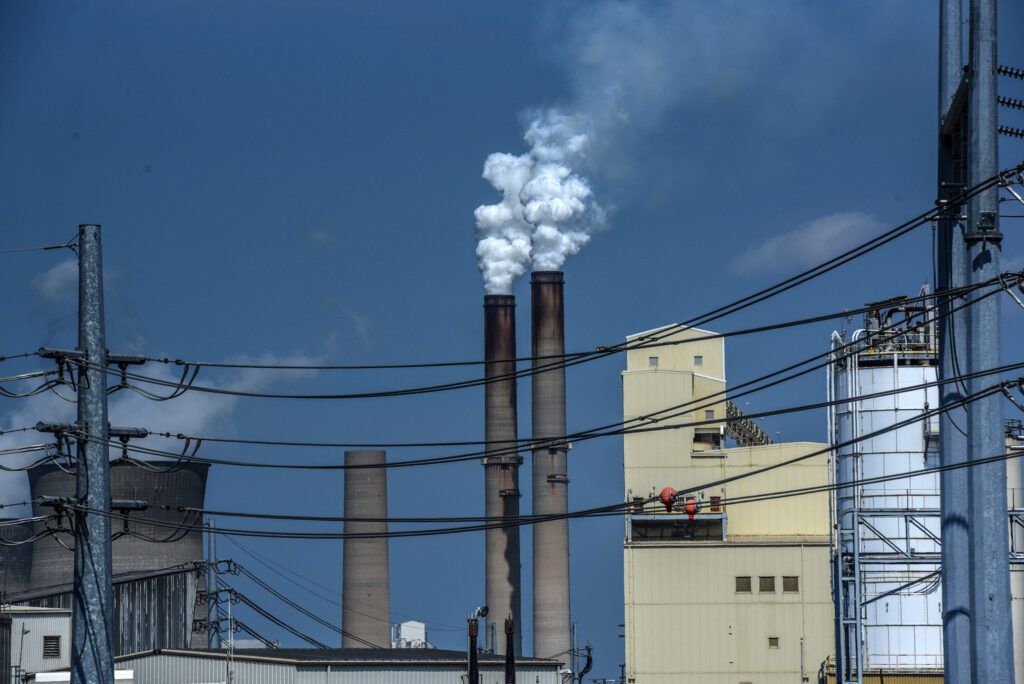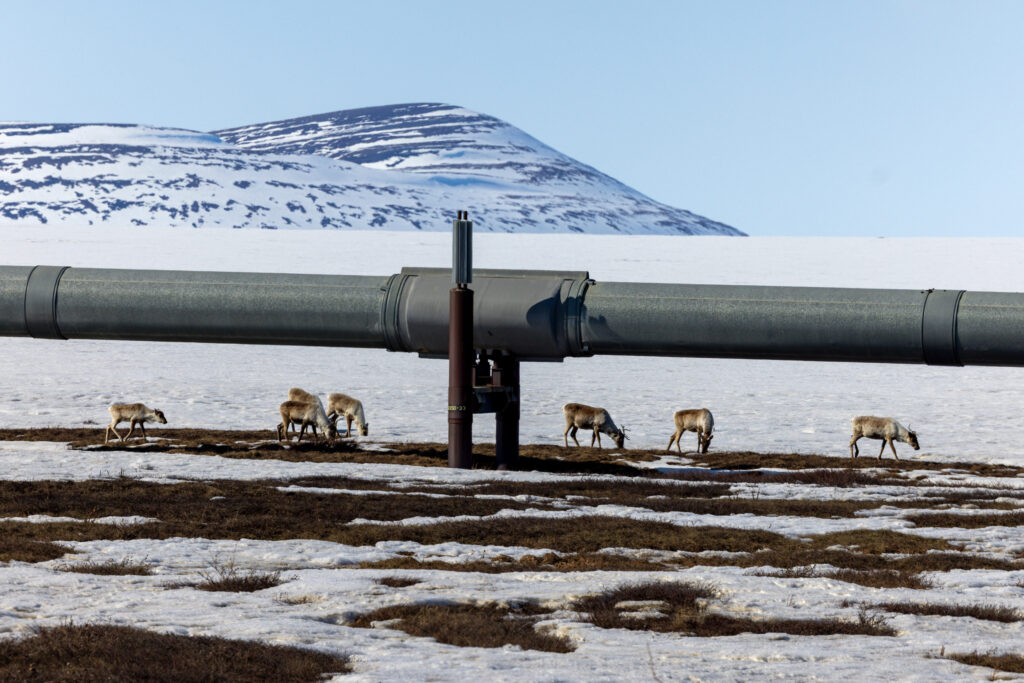


December’s COP28 event in Dubai took place against a backdrop of global emissions continuing to rise at a rate of 1.5% per year, when they need to be falling by 7% every year to 2030, according to some estimates, to keep alive the hopes of the Paris agreement. Commentators were concerned about the decisive role seemingly prepared for carbon removal technologies.
The headline commitment of COP28 was the pledge to transition away from fossil fuels. It was described as “a historic milestone” by Sir David King, Founder and Chair of the Climate Crisis Advisory Group, and “a development that seemed all but impossible even two years ago.”
“But we must be mindful that this is the bare minimum,” he said. Many commentators also appeared to believe that the “UAE Consensus” – as the deal was dubbed – leaves plenty of scope to continue burning fossil fuels, while also being woefully short on the financial commitments required to realize its aims. King continued: “Ensuring 1.5C remains viable will require total commitment to a range of far-reaching measures, including full fossil fuel phase-out, massive investment in nature, transformation of global food systems, and carbon removal on a massive scale.”
Fossil fuels were mentioned for the first time in a COP text two years ago, at COP26 in Glasgow. As Alexis McGivern of the University of Oxford observed in the days preceding the conclusion of this year’s event, “COP28 is the battle ground for language over ‘fossil fuel phase out’ to be included in any final agreement.”
Would this be accompanied by the word “unabated”, she wondered, referring to fossil fuel emissions that are not immediately sucked up by carbon capture methods. The word’s appearance would put carbon removal at the centre of achieving the aims of the Paris agreement, she said, although there is no firm agreement on what it means.
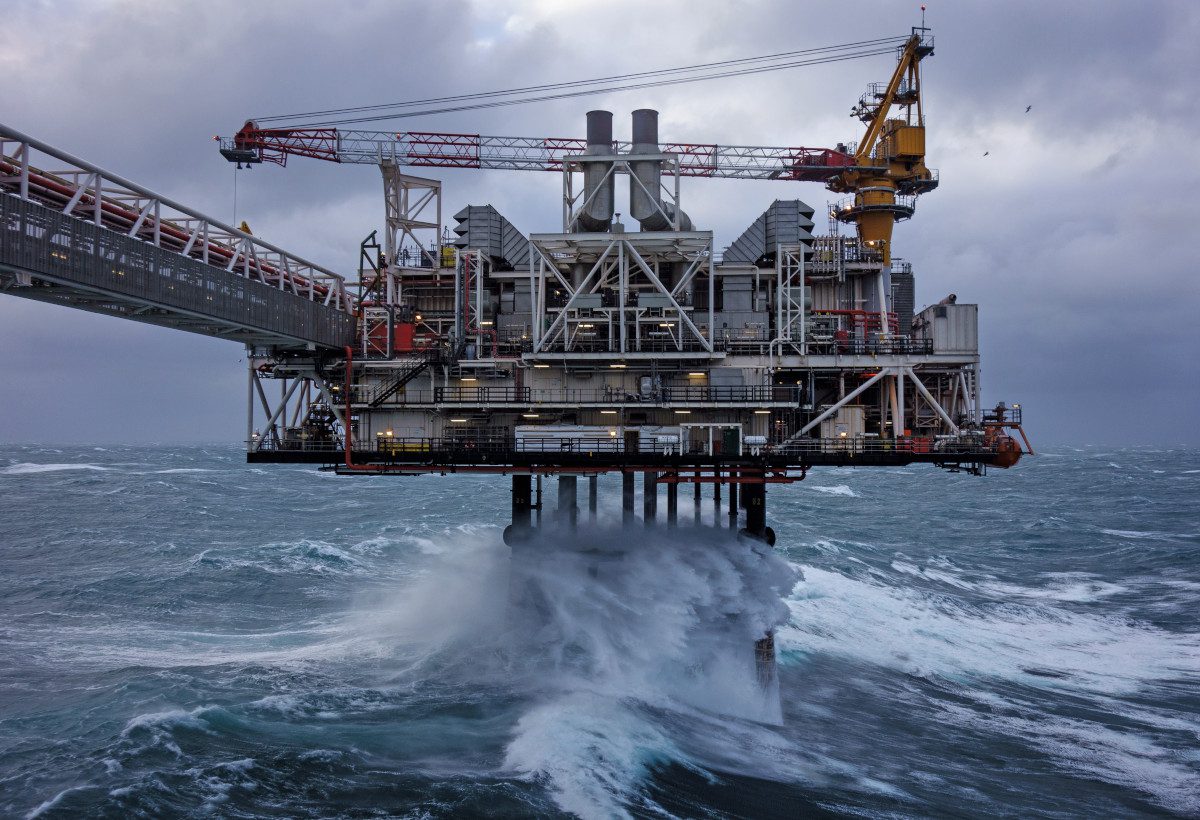
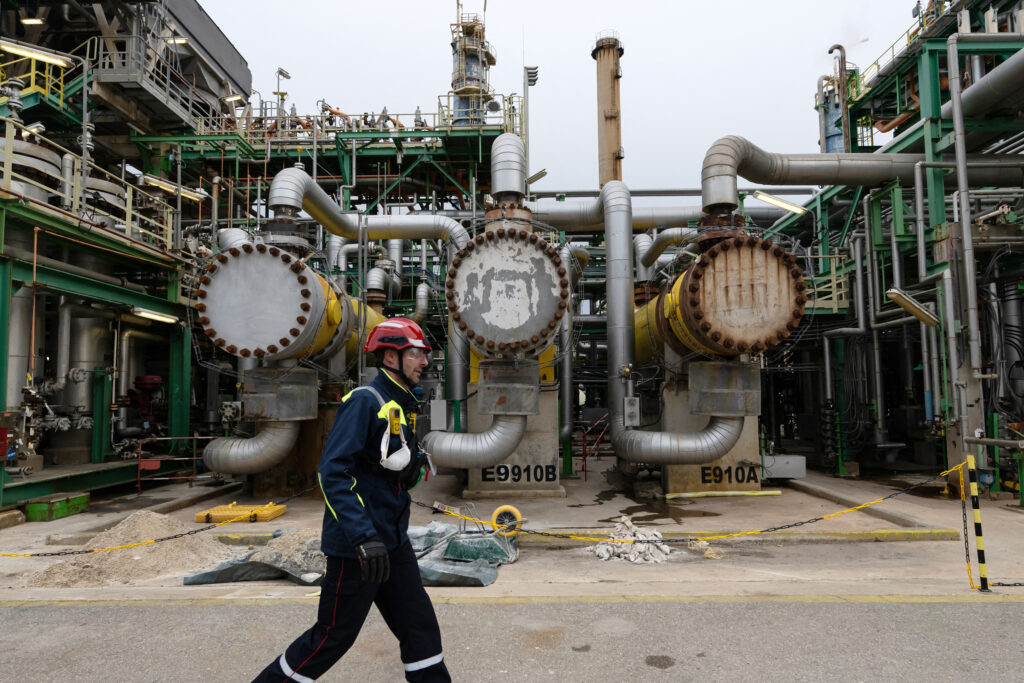
Indeed the final wording of the document lists one of the actions as: “Rapidly phasing down unabated coal and limiting the permitting of new and unabated coal power generation.” And this was one element of the resulting deal that worried many observers that fossil fuel companies were being let off the hook, and that carbon removal was being moved into a more decisive role.
“Our climate, health and development goals remain unachievable as long as we are still produc- ing fossil fuels,” said McGivern.
Embracing the suck
CCS was pegged as “controversial” by many newspapers and commentators covering the event, but appears to be a relatively widely-accepted fixture on the mitigation horizon. Oxford University’s Professor Myles Allen FRS, even chided the climate establishment for taking umbrage at COP president Sultan Al Jaber’s comments during the event, that there is no science behind demands for a fossil fuel-phase out.
“To limit warming even close to 1.5C, we must both scale down the use of fossil fuels and scale up safe and permanent carbon dioxide disposal.
“It’s simply not true that to stop global warming we have to stop using fossil fuels: what we have to do is stop dumping the carbon dioxide they generate into the atmosphere.”
“All 1.5ºC scenarios that allow it have us still using fossil fuels past 2100, long after we have stopped them causing further global warming by disposing of all the CO2 they generate back underground.
“Everyone including Sultan Al Jaber, agrees we will stop using fossil fuels eventually. The question is whether we can do it fast enough to avoid exceeding the 1.5ºC carbon budget by reducing carbon dioxide production alone. And he’s right, we can’t. We will generate too much CO2 so we will have to get rid of the excess. That’s what the science says.”
Indeed almost all decarbonization scenarios that keep 1.5ºC in sight contain some degree of CCS, either for capturing emissions at source or removing them from the atmosphere using things like DAC (or both). It’s with the amount of CCS to be used that opinion appears to vary widely.
Too-heavy reliance on CCS is ill-advised, says study
The decisive issue here should be cost, according to Oxford University’s Dr Rupert Way.
“Any hopes that the cost of Carbon Capture and Storage (CCS) will decline in a similar way to renewable technologies such as solar and batteries appear misplaced.”
“Our findings indicate a lack of technological learning in any part of the process, from CO2 capture to burial, even though all elements of the chain have been in use for decades.”
A study published by his group in early December estimates the costs of high-CCS vs low-CCS scenarios. Its findings indicate that opting for a low-CCS route will be vastly less expensive than a high-CCS pathway, providing savings of around $1 trillion per year. But this doesn’t mean a no-CCS route is even better.
In short, the document concludes that we need to get serious about CCS and start building, increasing the current build rate significantly but only targeting it towards key sectors, such as cement, and “banishing the idea that CCS is, or ever can be, a blanket solution.”
There was also some disquiet from observers at the agreement’s mention of “transitional fuels” – presumed by most to mean natural gas – which it is said “can play a role in facilitating the energy transition while ensuring energy security.”
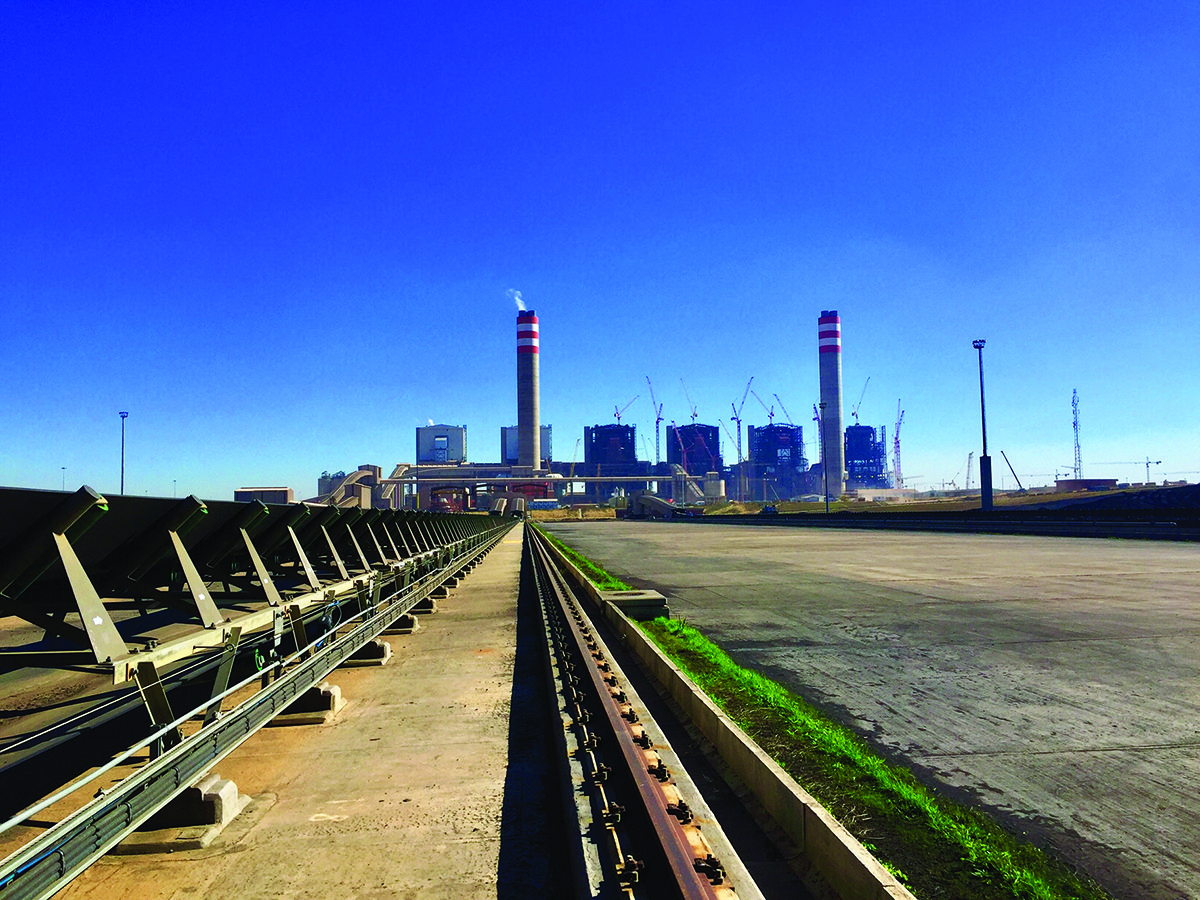
One concern was that lower-income nations could end up saddled with debt from gas infrastructure they would not be allowed to use, as Diann Black-Layne, a delegate from Antigua and Barbuda noted in comments reported by NewScientst.
Another source of frustration was the lack of any progress on carbon markets. Participants were unable to reach agreement on a universally-agreed framework that would enable a global mechanism for carbon trading. Hæge Fjellheim, head of carbon analysis at Veyt, said this was “a setback in carbon credit project development and leaves investors floundering”.
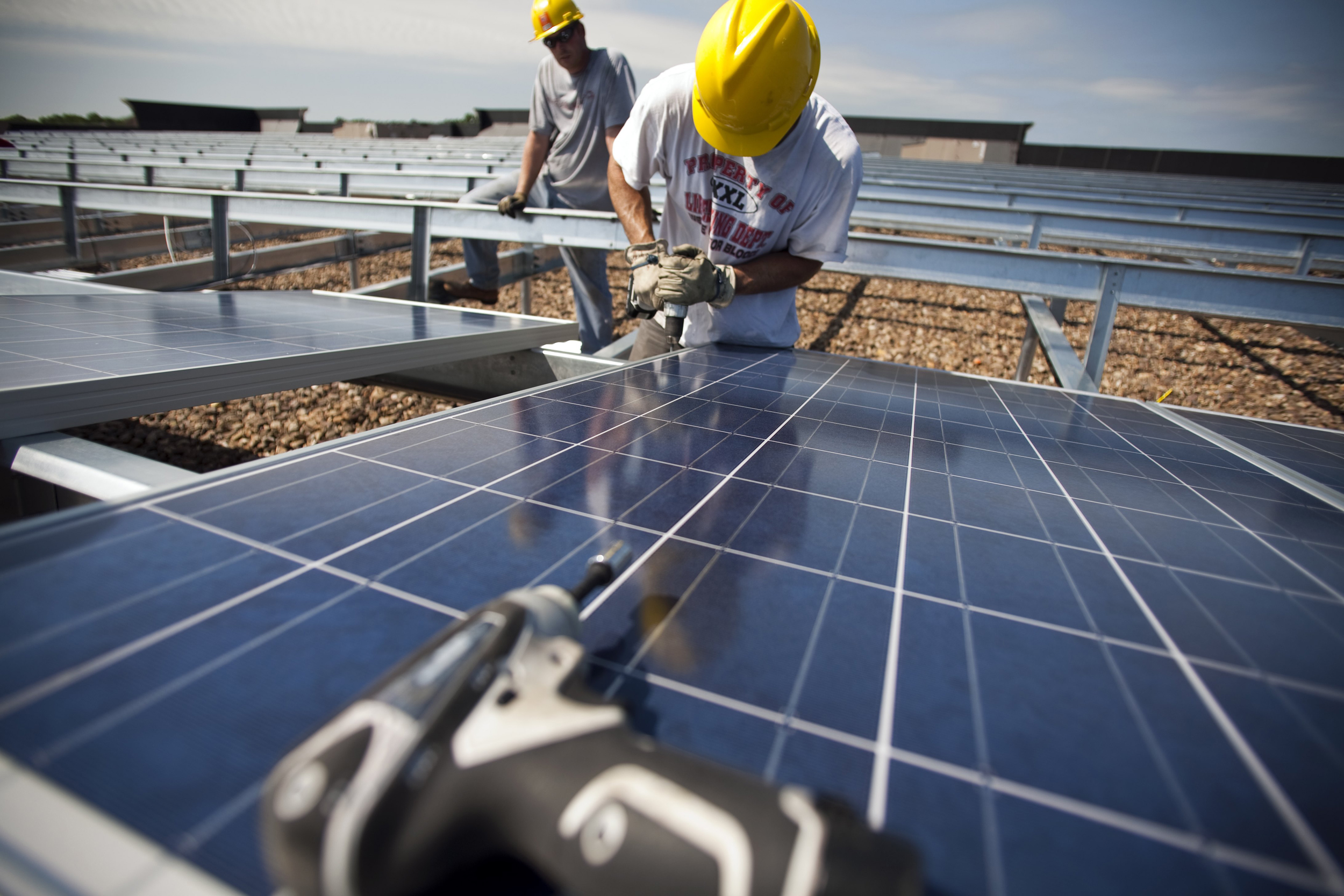
One apparent positive was on renewables with the “tripling pledge”, with apparent consensus from 100 countries to step up their ambition on the deployment of technologies like solar and wind, described as “unprecedented” by Global Solar Council CEO Sonia Dunlop, and “a big win for the energy transition.”
Other celebrated gains included a data-driven conservation initiative, with commitments to “integrate biodiversity metrics into climate action”.