

Wednesday, January 7, 2026
  • Privacy Policy
  • Contact
  • Terms & Conditions
Environmental Magazine
Advertisement
  • Home
  • News
  • Climate Change
  • Energy
  • Recycling
  • Air
  • Fossil Fuels
  • Water
No Result
View All Result
Environmental Magazine
  • Home
  • News
  • Climate Change
  • Energy
  • Recycling
  • Air
  • Fossil Fuels
  • Water
No Result
View All Result
Environmental Magazine
No Result
View All Result
Home News

Survey reveals 185 hectares of newly discovered seagrass beds across the UK

February 14, 2024
in News
A A

Over the summer of 2023, volunteers recorded 185 hectares of unmapped seagrass meadows in shallow UK coastal waters, in a new annual survey which aims to encourage restoration of the ocean’s only flowering plant and the rich ecosystems it supports.

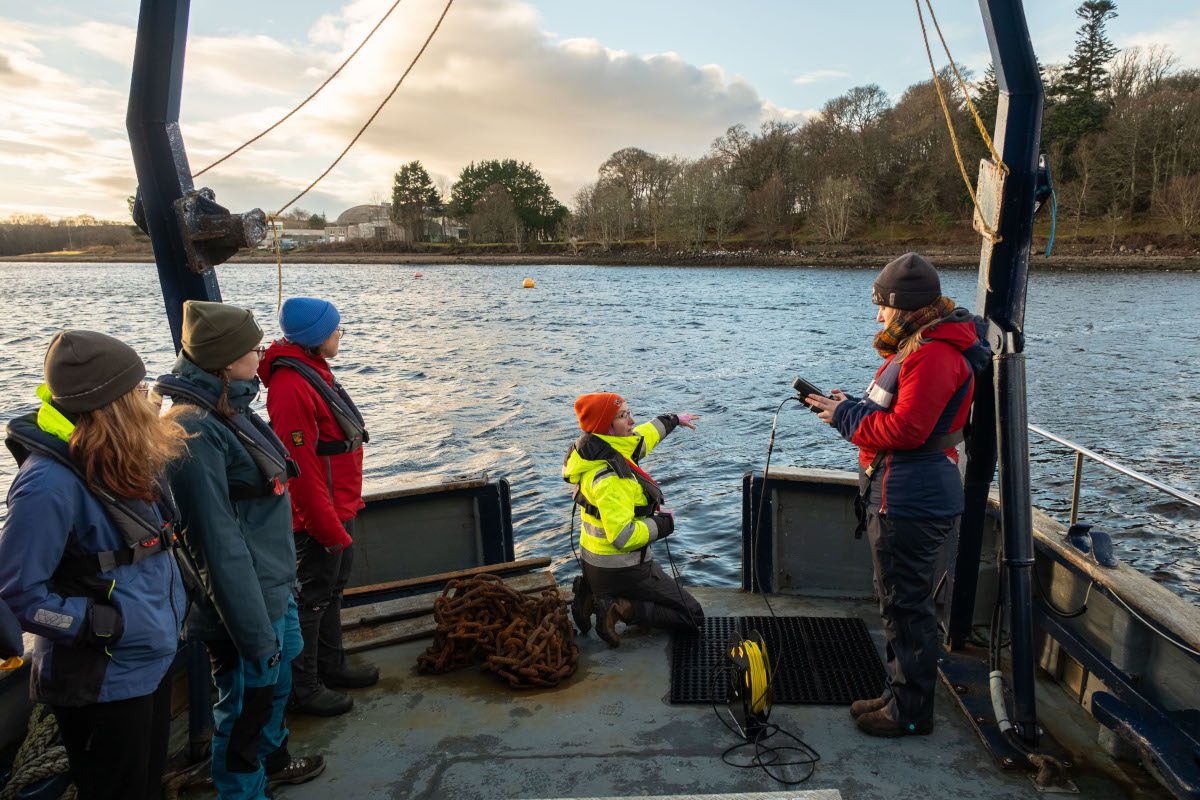
The Great Seagrass Survey, the first of its kind in the UK, is a collaboration between Scottish charity, Seawilding and the British Sub Aqua Club (BSAC). During its inaugural event in May 2023, a team of volunteers scuba dived, snorkelled and strolled the coastline, searching for evidence of seagrass and logging their results.

Seagrass meadows have been described as the most valuable coastal and marine ecosystems on the planet. Despite their benefits, seagrass habitats are under threat from a variety of factors. It is estimated that beds have declined by an estimated 92%. Worldwide, an area of seagrass the size of a football pitch (0.8 hectares) is being destroyed every 30 minutes.Thanks to the Great Seagrass Survey volunteers, a total of 96 beds were mapped around the country, from the Outer Hebrides to the Channel Islands. Both of the two species of seagrass found in UK waters were recorded; Zostera noltei which can be found on the beach at low tide and Zostera marina which is found in shallow waters. The largest area mapped was 78 hectares by the Moray Ocean Community near Inverness.

Volunteers were able to upload their discoveries onto the BSAC website where the information was then analysed, collated and shared by Seawilding with national databases making it accessible to scientists and policy makers.
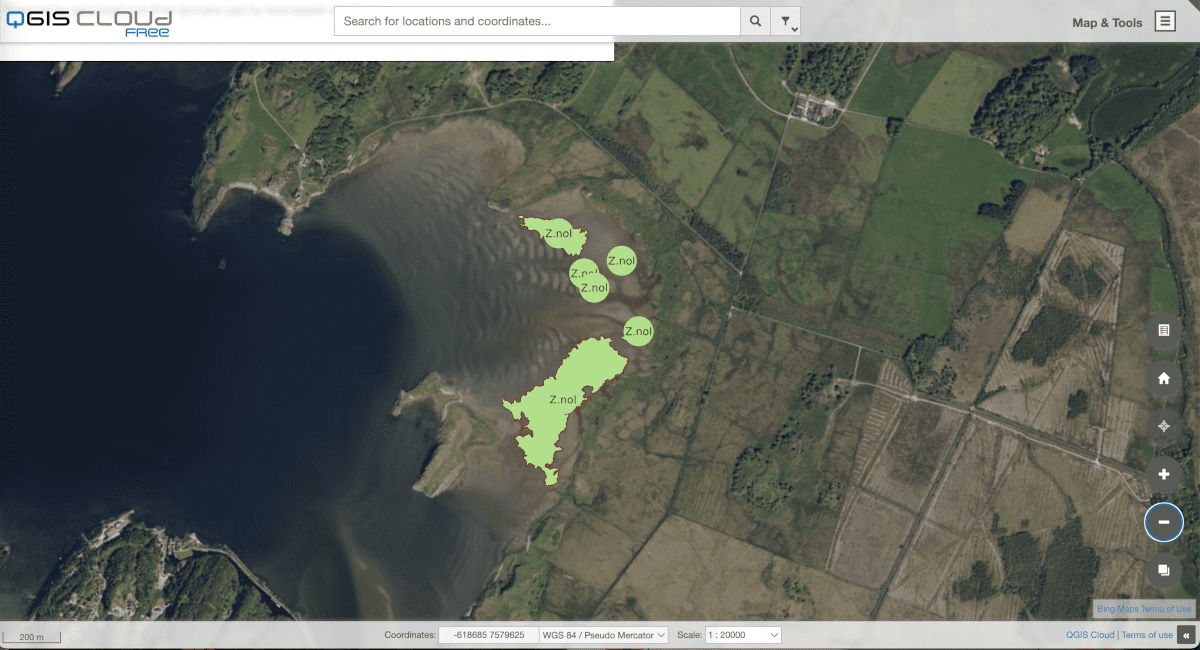
Example_of_the_data_collectedExample_of_the_data_collected

“The biggest surprise was how much seagrass was found. Most of the beds they discovered aren’t included in official records and could have been undiscovered for centuries so this is ground-breaking stuff. By knowing where seagrass is, more can be learnt about the threats it is facing as well as what is required to conserve it.” said project organiser Katherine Knight, Science and Survey Officer at Seawilding.

“Seagrass is notoriously hard to restore once it is lost, so these new beds are incredibly valuable for both biodiversity and carbon capture,” said Danny Renton, CEO of Seawilding. “We hope that these patches of endangered and unmapped seagrass – and the ones that the survey will reveal in the future – can be the cornerstone of new restoration projects inspired and driven by coastal communities.”

Mary Tetley, CEO of BSAC said: “It’s great that volunteer BSAC scuba divers and snorkellers are helping to map UK seagrass beds. As custodians of the underwater world BSAC members are well placed to assist Seawilding and our environmental partners build up a picture of these precious coastal habitats and help protect them for the future. The forthcoming BSAC Underwater Surveyor course will give members a great skillset for becoming citizen scientists.”

Seawilding and BSAC’s quest is far from over, there is much more out there waiting to be discovered and the Great Seagrass Survey will be taking place again this year. To find out how to get involved visit: www.seawilding.org/great-seagrass-survey
ShareTweetSharePinSendShare

Related Articles

Cold snap drives UK power demand to near seven-year high as interconnector reversals push prices sharply higher
News

Cold snap drives UK power demand to near seven-year high as interconnector reversals push prices sharply higher

January 7, 2026
Microplastics are impairing the oceans’ ability to absorb CO2, says new study
News

Microplastics are impairing the oceans’ ability to absorb CO2, says new study

January 7, 2026
World’s first dynamic green ammonia plant begins operation in Denmark
News

World’s first dynamic green ammonia plant begins operation in Denmark

January 5, 2026
Campaigners highlight a plastic hole in Scottish circularity plans
News

Campaigners highlight a plastic hole in Scottish circularity plans

January 4, 2026
Royal Academy of Engineering awards £39 million funding to 13 high-impact climate innovations
News

Royal Academy of Engineering awards £39 million funding to 13 high-impact climate innovations

December 18, 2025
US groups demonstrate commerical scale PFAS destruction of high-flow industrial wastewater
News

US groups demonstrate commerical scale PFAS destruction of high-flow industrial wastewater

December 17, 2025

Leave a Reply Cancel reply

Your email address will not be published. Required fields are marked *

Recommended

Understanding how flies smell may have applications in robotics

Understanding how flies smell may have applications in robotics

August 20, 2024
Chemical pollution is now a direct threat to humanity’s survival

Chemical pollution is now a direct threat to humanity’s survival

March 26, 2022

Don't miss it

‘The Dirtiest, Worst Oil’ Is in Venezuela
Fossil Fuels

‘The Dirtiest, Worst Oil’ Is in Venezuela

January 7, 2026
Oil Industry Will Eye Venezuela Warily, Experts Say
Fossil Fuels

Oil Industry Will Eye Venezuela Warily, Experts Say

January 7, 2026
Venezuelan Oil Brought to the U.S. Would Be Refined in Black Gulf Communities
Fossil Fuels

Venezuelan Oil Brought to the U.S. Would Be Refined in Black Gulf Communities

January 6, 2026
Study explores the lingering threat of “thirdhand smoke” in homes
Air

Study explores the lingering threat of “thirdhand smoke” in homes

January 6, 2026
The Loosely Regulated Petrochemical Barge Industry Is Commandeering a Texas River
Fossil Fuels

The Loosely Regulated Petrochemical Barge Industry Is Commandeering a Texas River

January 6, 2026
Whose pollution is it anyway? Project will use bacteriophages to point the finger
Water

Whose pollution is it anyway? Project will use bacteriophages to point the finger

January 5, 2026
Environmental Magazine

Environmental Magazine, Latest News, Opinions, Analysis Environmental Magazine. Follow us for more news about Enviroment and climate change from all around the world.

Learn more

Sections

  • Activism
  • Air
  • Climate Change
  • Energy
  • Fossil Fuels
  • News
  • Uncategorized
  • Water

Topics

Activism Air Climate Change Energy Fossil Fuels News Uncategorized Water

Recent News

‘The Dirtiest, Worst Oil’ Is in Venezuela

‘The Dirtiest, Worst Oil’ Is in Venezuela

January 7, 2026
Oil Industry Will Eye Venezuela Warily, Experts Say

Oil Industry Will Eye Venezuela Warily, Experts Say

January 7, 2026

© 2023 Environmental Magazine. All rights reserved.

No Result
View All Result
  • Home
  • News
  • Climate Change
  • Energy
  • Recycling
  • Air
  • Fossil Fuels
  • Water

© 2023 Environmental Magazine. All rights reserved.

This website uses cookies. By continuing to use this website you are giving consent to cookies being used. Visit our Privacy and Cookie Policy.