

Tuesday, January 20, 2026
  • Privacy Policy
  • Contact
  • Terms & Conditions
Environmental Magazine
Advertisement
  • Home
  • News
  • Climate Change
  • Energy
  • Recycling
  • Air
  • Fossil Fuels
  • Water
No Result
View All Result
Environmental Magazine
  • Home
  • News
  • Climate Change
  • Energy
  • Recycling
  • Air
  • Fossil Fuels
  • Water
No Result
View All Result
Environmental Magazine
No Result
View All Result
Home Water

Piezoelectric promise: Study explores hydraulic energy harvesting during water treatment

January 27, 2025
in Water
A A

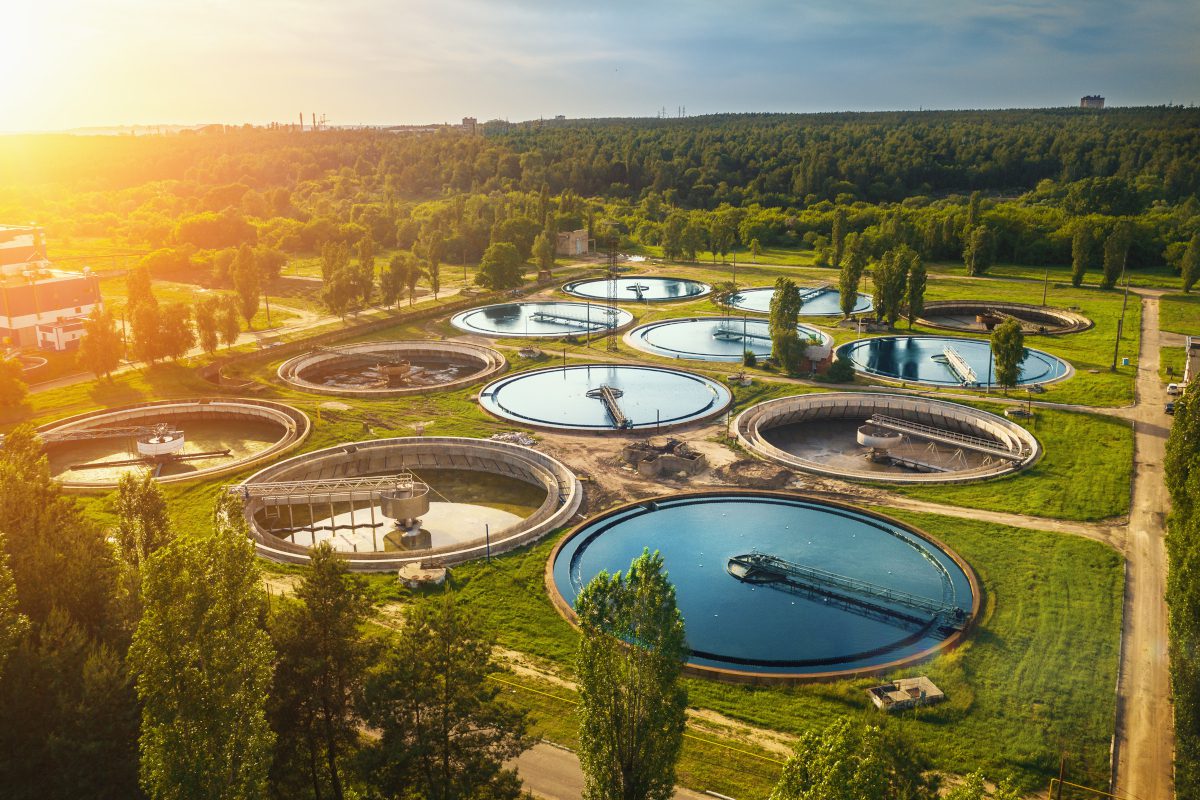
Converting hydraulic energy to electricity is suggested as a solution to common challenges in water treatment, in a recent article in the journal Engineering.

Water treatment processes are essential for managing water quality, but certain problems endure across many different approaches, notably the fact that the large amount of hydraulic energy present in these processes often goes to waste. At the same time, the application of external sources of electricity to water treatment (to drive processes like electrolysis or electrooxidation) faces hurdles like the complexity and inconvenience of the equipment required, high energy consumption, and unwanted faradic reactions in aqueous systems.

The researchers suggest piezoelectricity as a solution. It serves as a direct, hydraulic energy-harvesting mechanism. Piezoelectric materials, when exposed to mechanical strain, generate an asymmetric shift of charged particles or ions, allowing the conversion of hydraulic pressure into electricity. Their apparent promise in water treatment is down to their high electromechanical coupling capacity, high power density, and ability to function across a wide range of frequencies.

The study explores a few variants of the technology. For example, self-cleaning piezomembranes are said to show great potential. Pressure-driven membrane technology is widely used in water treatment, but membrane fouling remains a major obstacle. By integrating piezoelectric materials into membranes, hydraulic pressure pulses can be transformed into electroactive responses. This results in the generation of reactive oxygen species and dielectrophoretic forces, which help in degrading and repelling pollutants without the need for additional chemical cleaning agents or external stimuli.

Secondly, piezoelectricity can regulate catalytic reactions. In heterogeneous catalysis, modulating the electronic structure of catalysts is crucial for precise catalytic regulation. The in situ electric field created by piezoelectricity can effectively adjust the activation and conversion of molecules, as well as their activity and selectivity in various catalytic reactions. For instance, a floatable piezo – photocatalytic platform has been shown to achieve significant self – purification of polluted rivers by harnessing natural water waves and solar light.

Finally, sludge piezo-dewatering and sterilization appear to be areas where this technology can make a big difference. Current sludge dewatering methods are expensive and energy – intensive, often causing secondary pollution. Piezo-dewatering, driven by the natural pressure during the dewatering process, can lead to electroporation of microbial cell membranes, electro-osmosis, and electromigration, promoting both dewatering and sterilization.

Although the group says this concept shows great promise, there are still challenges to be addressed. The fundamental physicochemical transduction mechanism needs further elucidation, and more research is needed to determine the long-term stability and recyclability of piezoelectric materials in aqueous environments.

The new approach might enable more sustainable, efficient, and cost-effective water-treatment.

The paper “In Situ Conversion of Universal Hydraulic Energy to Electricity to Address Common Challenges in Water Treatment,” authored by Qiancheng Xia, Xinrong Fang, Jiaming Yao, Xiaohan Yang, Yongguang Bu, Wenkai Zhang, and Guandao Gao, is available here: https://doi.org/10.1016/j.eng.2024.11.009.
ShareTweetSharePinSendShare

Related Articles

Water Discovery Challenge returns to bring more fresh thinking innovators into the water sector
Water

Water Discovery Challenge returns to bring more fresh thinking innovators into the water sector

January 20, 2026
AI is changing the monitoring of biological pollutants in water bodies
Water

AI is changing the monitoring of biological pollutants in water bodies

January 15, 2026
Welsh utility scales up deployment of Intelligent submersible wastewater pump
Water

Welsh utility scales up deployment of Intelligent submersible wastewater pump

January 12, 2026
New CEO at diaphragm pump manufacturer
Water

New CEO at diaphragm pump manufacturer

January 8, 2026
Whose pollution is it anyway? Project will use bacteriophages to point the finger
Water

Whose pollution is it anyway? Project will use bacteriophages to point the finger

January 5, 2026
Cleaning up PFAS with PFAS will backfire, warn scientists
Water

Cleaning up PFAS with PFAS will backfire, warn scientists

January 5, 2026

Leave a Reply Cancel reply

Your email address will not be published. Required fields are marked *

Recommended

Global shipping finance portfolio moves closer to alignment with net zero climate goals

Global shipping finance portfolio moves closer to alignment with net zero climate goals

December 12, 2024
Study maps human uptake of microplastics across 109 countries

Study maps human uptake of microplastics across 109 countries

May 28, 2024

Don't miss it

The inside track on lingering odours
Air

The inside track on lingering odours

January 20, 2026
Multiplexed gas analysers can lower costs
Air

Multiplexed gas analysers can lower costs

January 20, 2026
The fine particle threat from DC motors
Air

The fine particle threat from DC motors

January 20, 2026
Air alliance: Merger brings AQMesh into larger gas analysis portfolio
Air

Air alliance: Merger brings AQMesh into larger gas analysis portfolio

January 20, 2026
Uncharted dust | Envirotec
Air

Uncharted dust | Envirotec

January 20, 2026
“You can’t control what you can’t measure”: Keeping track of IAQ
Air

“You can’t control what you can’t measure”: Keeping track of IAQ

January 20, 2026
Environmental Magazine

Environmental Magazine, Latest News, Opinions, Analysis Environmental Magazine. Follow us for more news about Enviroment and climate change from all around the world.

Learn more

Sections

  • Activism
  • Air
  • Climate Change
  • Energy
  • Fossil Fuels
  • News
  • Uncategorized
  • Water

Topics

Activism Air Climate Change Energy Fossil Fuels News Uncategorized Water

Recent News

The inside track on lingering odours

The inside track on lingering odours

January 20, 2026
Multiplexed gas analysers can lower costs

Multiplexed gas analysers can lower costs

January 20, 2026

© 2023 Environmental Magazine. All rights reserved.

No Result
View All Result
  • Home
  • News
  • Climate Change
  • Energy
  • Recycling
  • Air
  • Fossil Fuels
  • Water

© 2023 Environmental Magazine. All rights reserved.

This website uses cookies. By continuing to use this website you are giving consent to cookies being used. Visit our Privacy and Cookie Policy.