

Monday, January 19, 2026
  • Privacy Policy
  • Contact
  • Terms & Conditions
Environmental Magazine
Advertisement
  • Home
  • News
  • Climate Change
  • Energy
  • Recycling
  • Air
  • Fossil Fuels
  • Water
No Result
View All Result
Environmental Magazine
  • Home
  • News
  • Climate Change
  • Energy
  • Recycling
  • Air
  • Fossil Fuels
  • Water
No Result
View All Result
Environmental Magazine
No Result
View All Result
Home Air

Methane over Poland’s coal mines: Satellite analysis from ESA

March 26, 2022
in Air
A A

According to the European Commission and the European Environment Agency, the top 10 largest methane emitting coal mines in Europe are in Poland. Collectively, these mines released around 282,300 tonnes of methane into the atmosphere in 2020.

The European Space Agency (ESA) has released imagery of methane observations performed by the Copernicus Sentinel-5P satellite, which makes it possible to observe regions with enhanced methane concentrations from strong point sources all over the world. “Satellite observations are a powerful tool for improving estimates of emission strength, seeing how they change over time and can also help detect previously unknown emission sources,” says the group.

Scientists from the University of Leicester have used data – generated by the University of Bremen – from the Tropomi instrument onboard Sentinel-5P to observe methane concentrations associated with key mining regions across Poland and demonstrate whether the satellite can capture coal mining emissions.
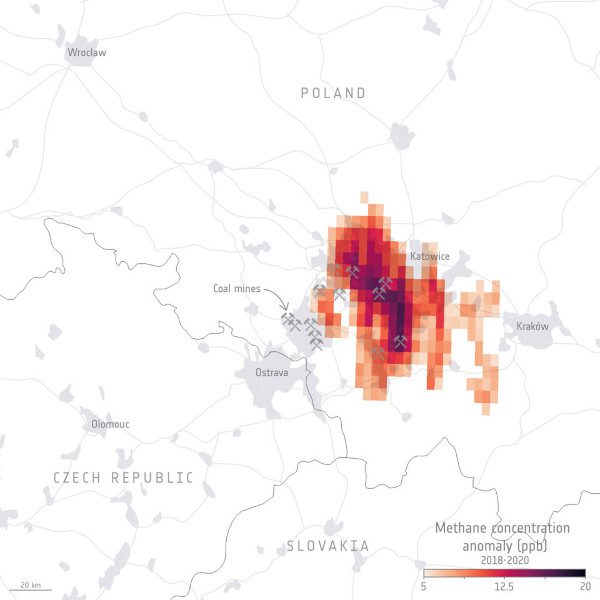
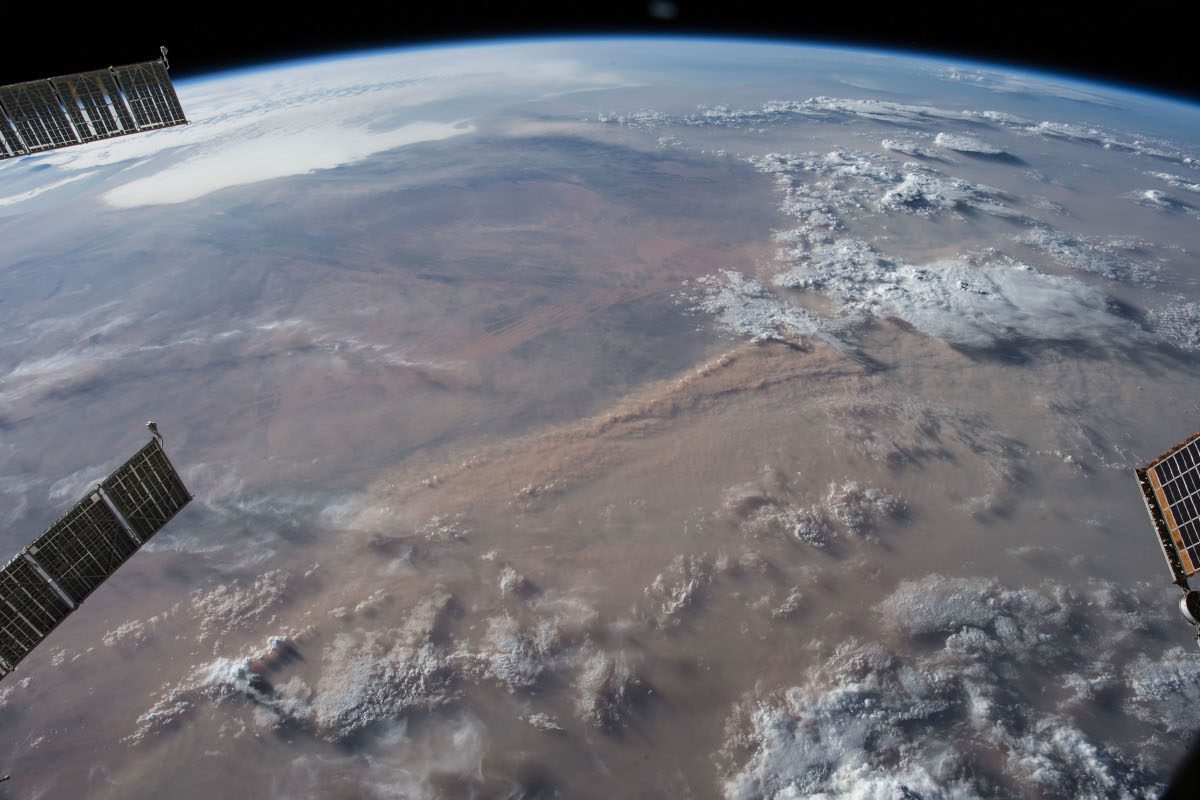
Methane_concentrations_over_southern_Poland

The accumulated methane from the area pictured here from 2018 to 2020 revealed that the largest methane concentrations were concentrated in the Upper Silesian Coal Basin, west of Krakow, a prominent mining region dominated by a cluster of underground coal mines.

Harjinder Sembhi, Earth Observation Scientist from the University of Leicester, comments, “As some of these mines are in very close proximity to each other, individual plumes are tricky to observe. However, we were able to detect averaged large-scale methane enhancements, approximately 20 parts per billion above background concentrations.”

Hartmut Boesch, Divisional Director of the UK’s National Centre for Earth Observation (NCEO), adds, “Despite some limitations in satellite data coverage, owing to clouds, we found that the regions of largest concentrations detected by Tropomi are consistent with the largest emitting mines in Poland as reported by the European Commission emission database.”

Scientific investigations are ongoing to determine the source emission rates associated with these large-scale coal mining methane enhancements observed from Tropomi which can be complemented by high-resolution sensors such as GHGSat to provide observations for individual sites.

Claus Zehner, ESA’s Copernicus Sentinel-5P Mission Manager, comments, “The Sentinel-5P mission is now being successfully used to demonstrate spaceborne capabilities to support the monitoring of European and international strategies on methane emissions monitoring. The upcoming atmospheric Copernicus Sentinel-5 and Copernicus Carbon Dioxide Monitoring missions will ensure the extension of this capability over a long time period.”

This information will also be a valuable addition to the work of regulatory bodies in designing fast-acting abatement measures that could have a significant and almost immediate impact on mitigating such methane emissions in the near future.

Methane emissions from coal mining
The coal mining industry contributes significantly to global methane emissions and is responsible for around 33% of all fossil fuel related emissions of methane from 2008-2017. Typically, for underground coal mines, large-scale ventilation systems are used to provide the flow of fresh air underground to help dilute gases such as methane, as well as help regulate the temperature for safe working conditions.
However, this ‘ventilation air methane’ ultimately ends up being released into the atmosphere, thereby acting as a source of fugitive methane.

It is important to track and manage fugitive methane emissions, gases that escape or leak unintentionally or through a controlled release from industrial processes, as significant gains can be achieved in limiting global temperature increase by curbing such emissions.

It is therefore critical to implement policies aimed at reducing methane emissions as a key to combating climate change. This is particularly timely with more than 100 countries signing up to the Global Methane Pledge which aims to limit methane emissions by 30% by 2030, signed during the COP26 at Glasgow last year.
ShareTweetSharePinSendShare

Related Articles

Measuring movement creates new way to map indoor air pollution
Air

Measuring movement creates new way to map indoor air pollution

January 15, 2026
Odour control system combines neutralisation with fragrance design
Air

Odour control system combines neutralisation with fragrance design

January 13, 2026
Galvanic lead-free oxygen sensor for industrial safety is a world first
Air

Galvanic lead-free oxygen sensor for industrial safety is a world first

January 8, 2026
Study explores the lingering threat of “thirdhand smoke” in homes
Air

Study explores the lingering threat of “thirdhand smoke” in homes

January 6, 2026
Water research body says updated Carbon Accounting Workbook is now live
Air

Water research body says updated Carbon Accounting Workbook is now live

January 5, 2026
New report sizes up EV brake and tyre emissions
Air

New report sizes up EV brake and tyre emissions

December 16, 2025

Leave a Reply Cancel reply

Your email address will not be published. Required fields are marked *

Recommended

Dialysis ‘astonishingly effective’ for treating wastewater

Dialysis ‘astonishingly effective’ for treating wastewater

January 10, 2025
New EPA Rule Could Accelerate Cleanup of Coal Ash Dumps

New EPA Rule Could Accelerate Cleanup of Coal Ash Dumps

April 27, 2024

Don't miss it

End trade-off between recycling targets and toxic exposure, Zero Waste Europe urges EU
News

End trade-off between recycling targets and toxic exposure, Zero Waste Europe urges EU

January 19, 2026
Rare earth magnet recycling centre launched in West Midlands
News

Rare earth magnet recycling centre launched in West Midlands

January 19, 2026
A Small Oil Company Polluted Midland’s Water Reserve. The Cleanup Has Dragged on for Years.
Fossil Fuels

A Small Oil Company Polluted Midland’s Water Reserve. The Cleanup Has Dragged on for Years.

January 18, 2026
Federal Court Allows Dominion Energy in Virginia to Continue Offshore Wind Project
Energy

Federal Court Allows Dominion Energy in Virginia to Continue Offshore Wind Project

January 16, 2026
Clean Energy Advocates Criticize ‘Glaring’ Omission in White House Plan to Fuel Data Centers in PJM Region
Fossil Fuels

Clean Energy Advocates Criticize ‘Glaring’ Omission in White House Plan to Fuel Data Centers in PJM Region

January 16, 2026
A Year Out From One of the World’s Largest Battery Facility Fires
Energy

A Year Out From One of the World’s Largest Battery Facility Fires

January 16, 2026
Environmental Magazine

Environmental Magazine, Latest News, Opinions, Analysis Environmental Magazine. Follow us for more news about Enviroment and climate change from all around the world.

Learn more

Sections

  • Activism
  • Air
  • Climate Change
  • Energy
  • Fossil Fuels
  • News
  • Uncategorized
  • Water

Topics

Activism Air Climate Change Energy Fossil Fuels News Uncategorized Water

Recent News

End trade-off between recycling targets and toxic exposure, Zero Waste Europe urges EU

End trade-off between recycling targets and toxic exposure, Zero Waste Europe urges EU

January 19, 2026
Rare earth magnet recycling centre launched in West Midlands

Rare earth magnet recycling centre launched in West Midlands

January 19, 2026

© 2023 Environmental Magazine. All rights reserved.

No Result
View All Result
  • Home
  • News
  • Climate Change
  • Energy
  • Recycling
  • Air
  • Fossil Fuels
  • Water

© 2023 Environmental Magazine. All rights reserved.

This website uses cookies. By continuing to use this website you are giving consent to cookies being used. Visit our Privacy and Cookie Policy.