

With growing energy demand and delays in renewable energy rollout, New Jersey is doubling down on nuclear—its largest source of in-state electricity—and is now looking at positioning itself as a national leader in developing next-generation reactors.
In March, the state’s Board of Public Utilities (NJBPU) issued a request for information, a document signaling the state’s interest in exploring nuclear energy, asking for input from experts and New Jersey residents.
“To ensure resource adequacy can be met in the region without unreasonable impacts on ratepayers, new sources of electricity generation must come online to grow the supply of resources into the electricity grid,” the request reads.
At the same time, its energy master plan is undergoing an update, from declaring that it would only sustain its current nuclear fleet to recognizing in its latest draft summary that “there will be a role for emerging clean firm technologies such as new nuclear, long duration storage and decarbonized fuels.”
It adds: “New Jersey has the opportunity to emerge as a leader in this space.”
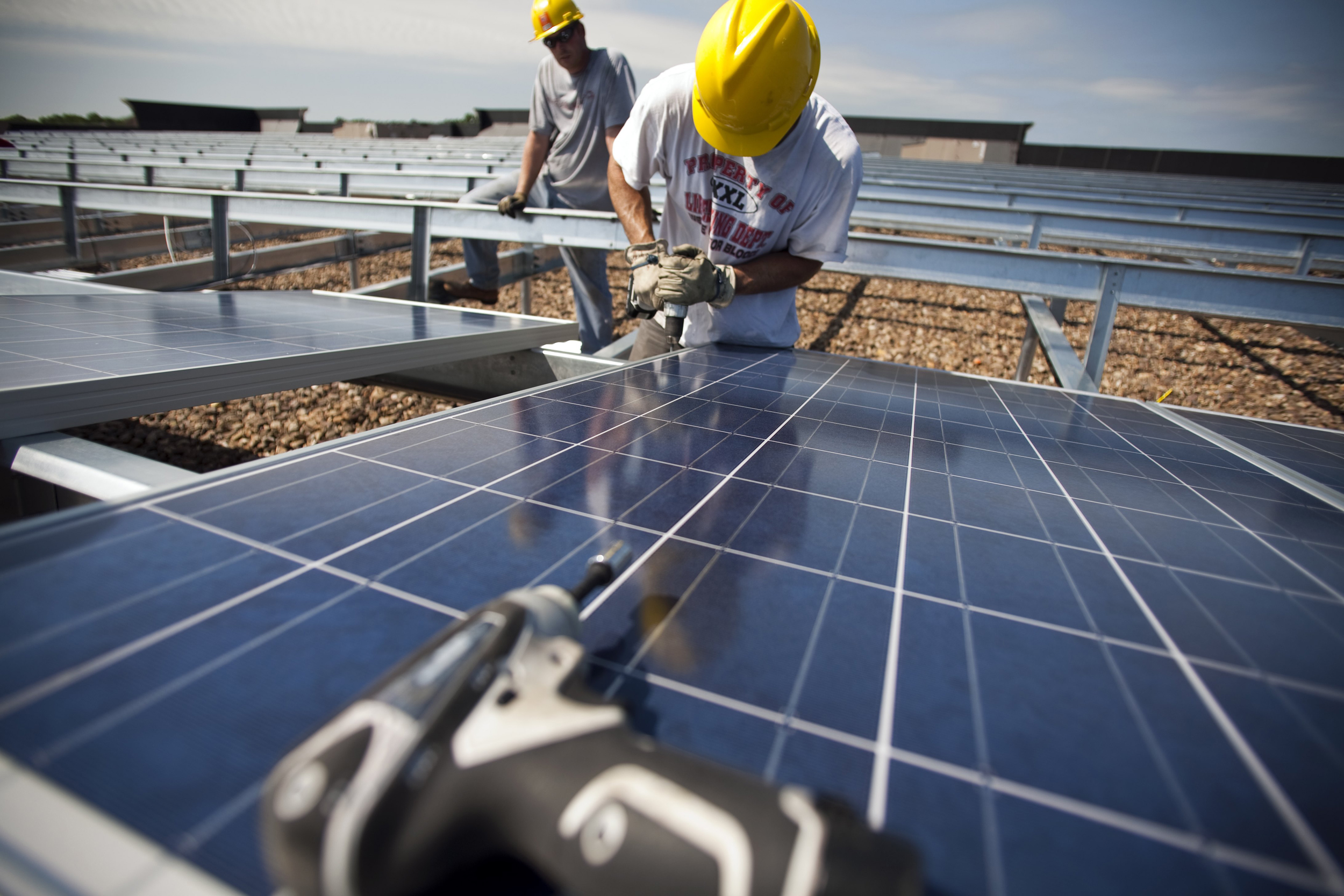
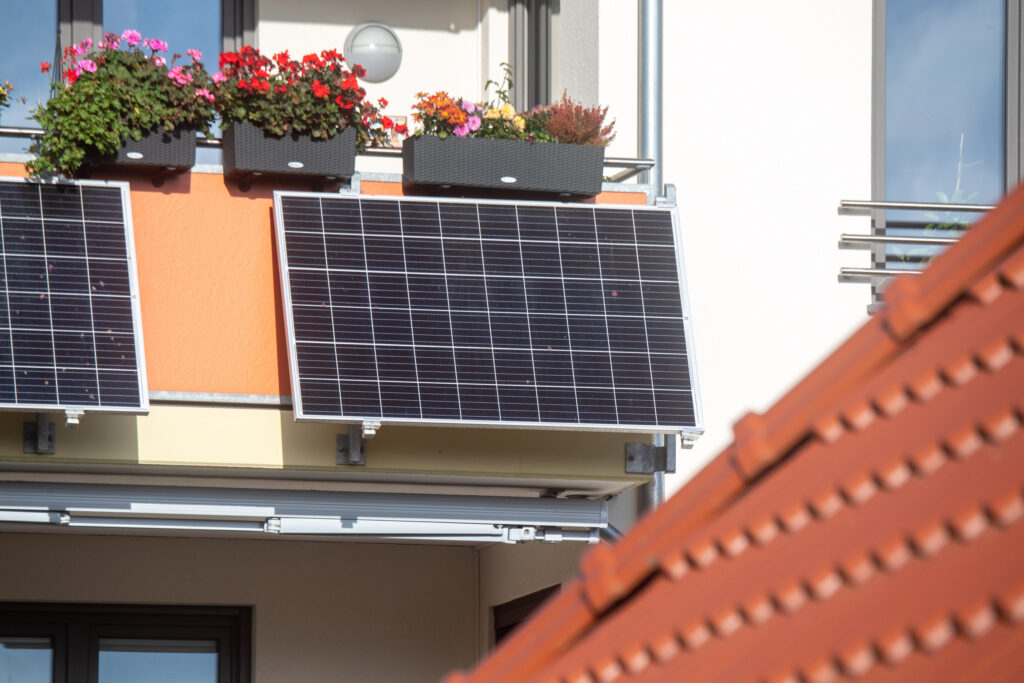
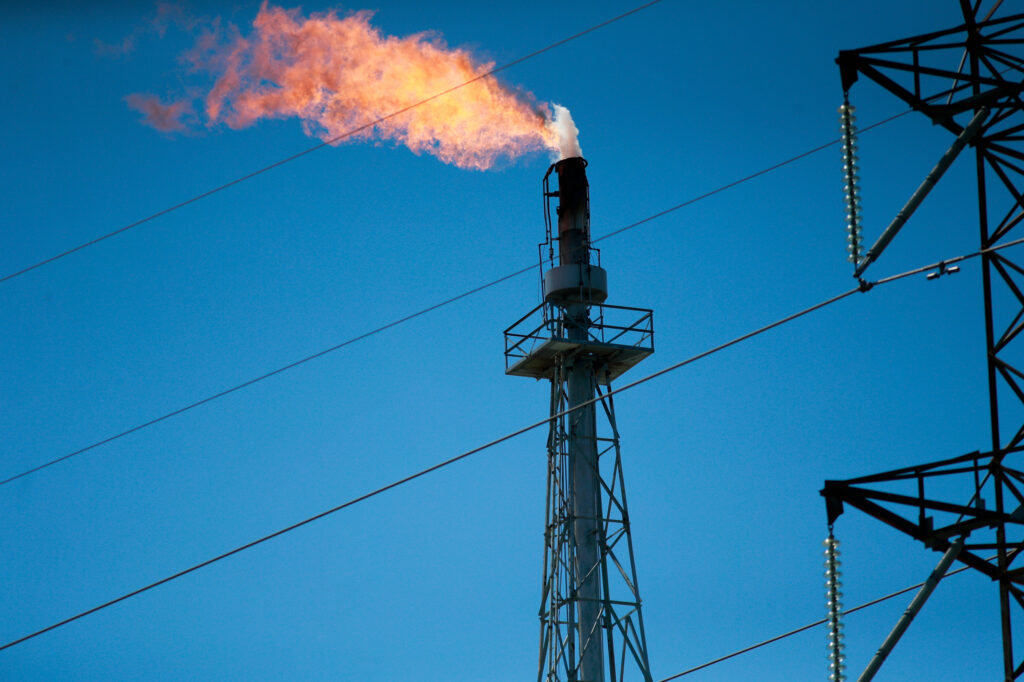
Nuclear energy figures prominently in New Jersey’s energy mix, taking up 42 percent. Natural gas recently overtook it at 49 percent. Renewables have made inroads but account for only 7 percent, failing to come to the grid fast enough to match rising demand and the state’s shutdown of older and dirtier energy sources.
The Board of Public Utilities’ recent request for information won’t address short-term problems like rising electricity bills, said Frank Felder, former director of the Rutgers Energy Institute. “It’s a multi-decade process,” he said. “The RFI is more of a baby step to gather information to decide what comes next.”
In updating its energy master plan, New Jersey partnered with consulting firm Energy + Environmental Economics to model different energy scenarios for the state. They found that nuclear power expands in every pathway that meets the state’s goal of 100 percent clean electricity.
By new nuclear, the state is referring to recent technological advances in the industry, most prominently small modular reactors (SMRs) that, if designed and deployed effectively, could be built faster and at lower cost than traditional ones.
SMRs are built in factories and delivered in pieces that can be put together on-site, like building blocks.
Traditional large nuclear plants take time and resources. Current projections put construction—excluding permitting—at eight to 15 years. SMRs are expected to take two to eight years, though early projects may take longer as supply chains mature.
New Jersey joins a growing number of states looking to augment their energy mix with more nuclear power.
New York is drafting a statewide plan to explore advanced nuclear energy. In Pennsylvania, Constellation Energy will reopen one of the two reactors at the infamous Three Mile Island nuclear plant. Michigan is working to restart the Palisades nuclear plant, the first time a closed plant would reopen in the U.S.
Virginia is weighing small reactors through projects by Dominion Energy and local utilities. And the Tennessee Valley Authority is investing in new reactor designs at its Clinch River site. Meanwhile, the Bill Gates-backed TerraPower reactor in Wyoming aims to come online by 2030.
This story is funded by readers like you.
Our nonprofit newsroom provides award-winning climate coverage free of charge and advertising. We rely on donations from readers like you to keep going. Please donate now to support our work.
Donate Now
The problem is that no SMR projects have been completed in the U.S. NuScale Power came close in Idaho, but as it faced mounting costs, ended up canceling the project in 2023. In Texas, Dow and X-energy recently applied to construct their anticipated small reactor in Seadrift. They aimed to operate the site by 2030 but revised the target launch to “early next decade.”
Overseas, Russia has a small floating SMR running in the Arctic and China connected one to the grid in 2022.
What Sets New Jersey Apart
Challenging as it sounds, taking on new nuclear may be worth New Jersey’s time, according to experts.
For one, New Jersey is already ahead for having so much nuclear power in its grid, said Ruaridh Macdonald, an energy systems researcher with the Massachusetts Institute of Technology (MIT) Energy Initiative.
“Having nuclear already is a big factor, both in terms of direct workforce in nuclear, but also the army of accountants, lawyers and on-site inspectors. And that group can typically do it not just for one reactor but for as many reactors as you want,” said Macdonald.

Having existing power plants also gives an advantage, Macdonald said, because if new reactors are built on the same sites, they can share water intake systems, grid connections and waste handling facilities. Security, one of the most expensive operational requirements for nuclear, is also easier to manage, he added.
New Jersey’s nuclear power comes from three reactors at the Salem and Hope Creek Generating Stations, located in Salem County and operated by PSEG Nuclear. The Salem units came online in the 1970s and 1980s, while Hope Creek began operating in 1986.
All three reactors received 20-year license extensions from the U.S. Nuclear Regulatory Commission in 2011 and PSEG plans to renew their licenses again to extend their operations into the 2060s.
New Jersey’s climate goals also work to its advantage, said Matt Bowen, a senior research scholar at the Center on Global Energy Policy at Columbia University.
With the state vowing to fully decarbonize its electricity sector by 2035, developers know New Jersey would be motivated to see a nuclear project through—whether that means speeding up permitting, helping unlock subsidies or being willing to pay a higher price for clean power.
“In the end, they don’t have to compete directly with natural gas,” Bowen said.
Developing a new nuclear reactor has its pitfalls. Costs are uncertain, timelines can slip and no small modular reactor has ever been completed in the U.S. Supply chains still need to be built out and early projects are likely to face delays, higher prices or both.
“A variety of things have to happen in New Jersey or anywhere else for these projects to be successful,” said Jacopo Buongiorno,director of the Center for Advanced Nuclear Energy Systems at MIT.
He listed them as a well-funded and experienced nuclear technology developer, a “serious” customer with enough money to take on a multi-billion dollar investment and a clear plan on how to fund it, whether through private capital, federal tax credits or state support.
The Inflation Reduction Act offers generous federal tax credits for nuclear projects, which could help lower the cost of building and running reactors. But with the Trump administration vowing to repeal parts of the IRA despite backing nuclear, the future of these incentives remains uncertain.
So far, no developer has made any public statements about New Jersey’s RFI. PSEG, which operates all of New Jersey’s reactors, said through a spokesperson that it was still evaluating the request for information.
About This Story
Perhaps you noticed: This story, like all the news we publish, is free to read. That’s because Inside Climate News is a 501c3 nonprofit organization. We do not charge a subscription fee, lock our news behind a paywall, or clutter our website with ads. We make our news on climate and the environment freely available to you and anyone who wants it.
That’s not all. We also share our news for free with scores of other media organizations around the country. Many of them can’t afford to do environmental journalism of their own. We’ve built bureaus from coast to coast to report local stories, collaborate with local newsrooms and co-publish articles so that this vital work is shared as widely as possible.
Two of us launched ICN in 2007. Six years later we earned a Pulitzer Prize for National Reporting, and now we run the oldest and largest dedicated climate newsroom in the nation. We tell the story in all its complexity. We hold polluters accountable. We expose environmental injustice. We debunk misinformation. We scrutinize solutions and inspire action.
Donations from readers like you fund every aspect of what we do. If you don’t already, will you support our ongoing work, our reporting on the biggest crisis facing our planet, and help us reach even more readers in more places?
Please take a moment to make a tax-deductible donation. Every one of them makes a difference.
Thank you,

Rambo Talabong
Contributor
Rambo Talabong is a multimedia climate reporter based in New York City. Before moving to the U.S., he led award-winning investigations into the Duterte drug war for Rappler, the Nobel Prize-winning newsroom in Manila. His reporting has been recognized by the Global Investigative Journalism Network, the Society of Publishers in Asia, and the Human Rights Press Awards. He studied data journalism at Columbia University and is currently pursuing a master’s in science journalism at New York University. He has faced—and won—two libel suits in the Philippines over his reporting.