

Daniele Visioni sometimes worries he may be labelled an enemy of the state.
Visioni, a climate scientist and assistant professor at Cornell University, is an Italian-born scholar who will serve as an author of the Intergovernmental Panel on Climate Change’s upcoming Seventh Assessment Report, a document outlining the latest science on climate change, to be published by an international body the Trump administration has now announced the U.S. government will abandon.
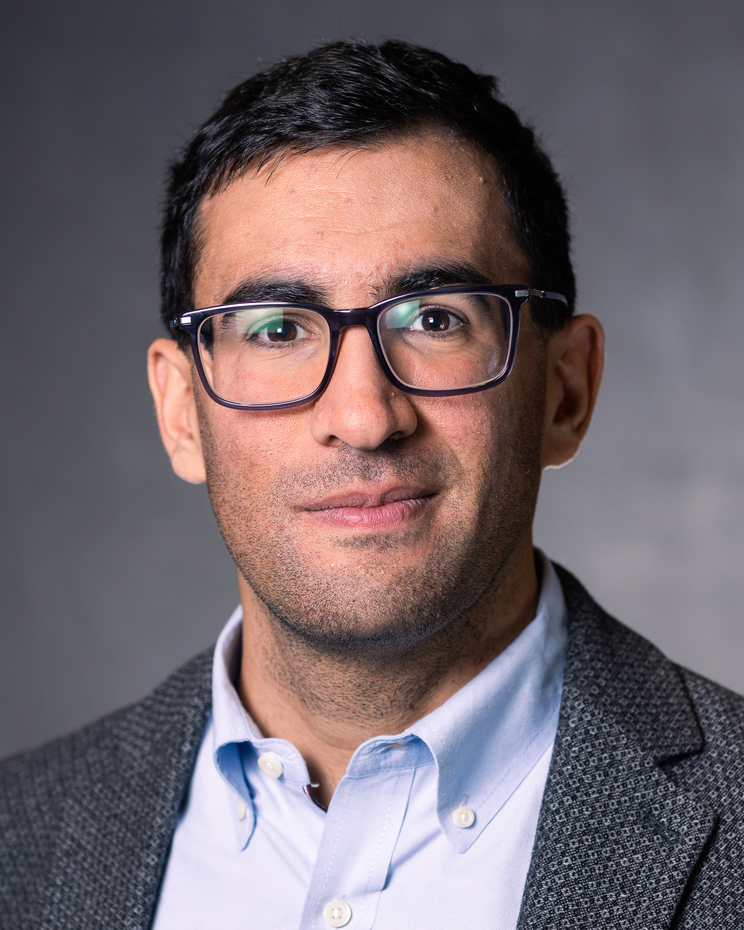
“If the U.S. decides that any IPCC author is an enemy of the state, that probably means they can keep me out of the country,” said Visioni, who has had difficult conversations about the possibility with his husband and colleagues. “But when I agreed to be an author in this cycle, I was aware of this risk.”
Visioni is among the many climate scientists who say that the Trump administration’s plan to leave the IPCC and withdraw from the United Nations Framework Convention on Climate Change is damaging to the scientific community and to the United States’ reputation on the world stage.
Leading climate scientists, many of whom have co-authored IPCC reports, told Inside Climate News that though they believe the administration’s move is troubling, U.S. scientists are committed to advancing climate research, including by fully participating in future IPCC proceedings.
Michael Oppenheimer, a longtime participant in the IPCC, served as a review editor for the body’s Sixth Assessment Report. He was among a group of IPCC scientists awarded the Nobel Peace Prize in 2007.
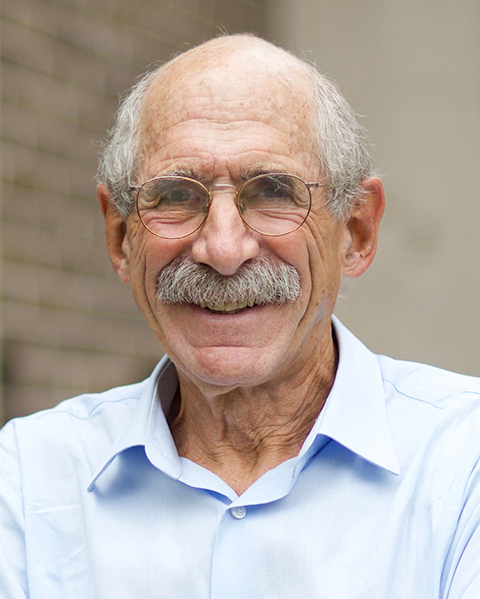
He said the government’s withdrawal from the IPCC should be seen within the broader context of attacks on science pursued by the Trump administration.
“It’s part of the pattern of trying to destroy climate science,” Oppenheimer said.
But the U.S. withdrawal doesn’t serve either American or global interests, he said.
“This kind of action is part of a very large threat to U.S. climate science,” Oppenheimer said. “And that’s not good, not just from the selfish U.S. perspective. This is part of taking the U.S. out of the game—out of the process—and that’s not good for the U.S. and it’s not good for the world.”
Pamela McElwee of Rutgers University said that climate scientists have been working behind the scenes in anticipation of a move like this to ensure that the science—and the contributions of U.S. scientists to an international dialogue on climate change—will continue.
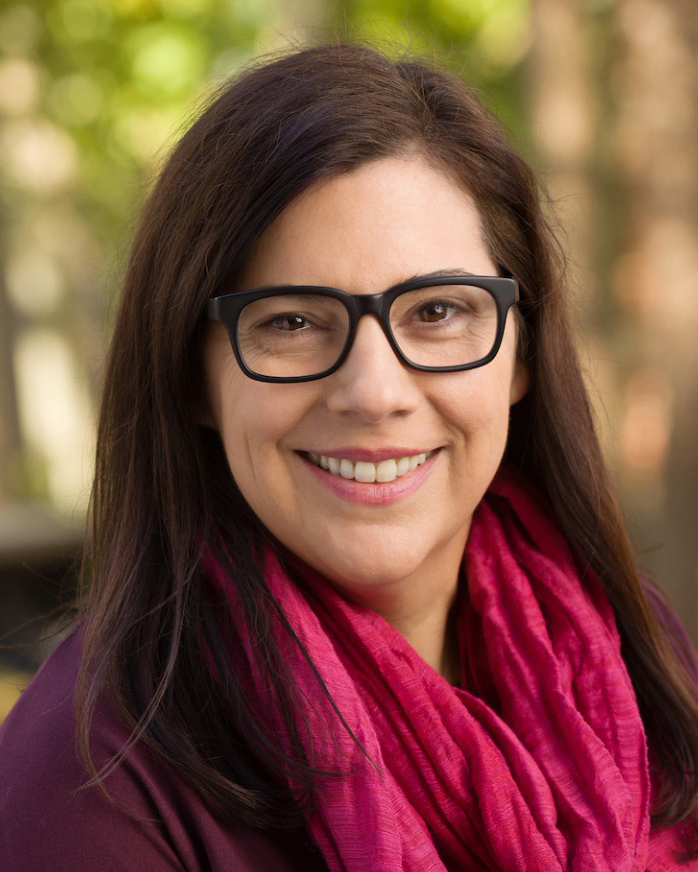
“I was disappointed by the announcement, but not surprised,” said McElwee, who served as co-chair of the Intergovernmental Science-Policy Platform on Biodiversity and Ecosystem Services’ Nexus assessment from 2021-2024. “We knew the handwriting was on the wall.”
She said that the U.S. is putting itself and its interests at a disadvantage by abandoning the international agreements.
“It’s shooting ourselves in the foot that we’re not going to be able to influence the policy implications,” she said. “So this idea that the U.S. is somehow better off not even being part of the international community on this is clearly just not true on the face of it.”
Libby Jewett, like Visioni, is set to be an author on the IPCC’s next assessment.
Jewett, a marine ecologist who founded the National Oceanic and Atmospheric Administration’s ocean acidification program before retiring in early 2025, said the decision to leave the panel undermines the role of the U.S. as well as its impact on climate science.
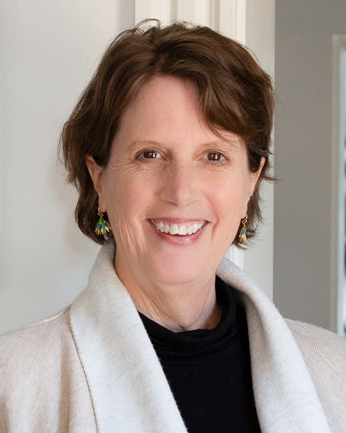
“We have traditionally been a global powerhouse on climate science, and we have a lot to contribute,” Jewett said. “And the U.S. pulling out just means we’ll have less of a say in how these processes move forward.”
Visioni said, however, that a lack of U.S. involvement in producing the IPCC’s recommendations for policymakers may be somewhat of a silver lining.
“By withdrawing from all these agreements, the U.S. is not stopping them. It is not stopping U.S. scientists from participating in them,” he said. “The only thing that this government is doing is depriving themselves of the opportunity to influence these reports in any way.”
Pulling out of the IPCC, he said, would prevent the Trump administration from potentially advancing fossil fuel interests in the IPCC assessment’s recommendations to policymakers, which are negotiated between countries.
Oppenheimer said he has a more optimistic view of the IPCC process, which he feels is accustomed to dealing with fossil-fueled actors.
“I think the IPCC process is a good one,” he said. “That’s one reason it’s a damn shame that the U.S. government has decided to withdraw.”
This story is funded by readers like you.
Our nonprofit newsroom provides award-winning climate coverage free of charge and advertising. We rely on donations from readers like you to keep going. Please donate now to support our work.
Donate Now
John Christy, Alabama’s state climatologist and a professor at the University of Alabama in Huntsville, said in a written statement to Inside Climate News that there’s “not much to say” about the administration’s decision. The Trump White House has often turned to Christy, who has questioned mainstream climate science, denying the widely-accepted link between carbon emissions and rising global temperatures.
“The IPCC at times produced some reasonable documents, but it was clearly a U.N. bureaucratic organization designed for a policy outcome—the elimination of hydrocarbons,” Christy’s statement said. “I believe this having been a lead author and witnessing the overwhelming bias of those selected as authors.”
Countries continue to turn to fossil fuels, he said, because they “work tremendously well and are affordable.” Countries like England and Germany and states like California and New York that have emphasized growth in renewable energy are “regressing,” he said, and need to “figure this out before they find themselves in the Dark Ages (again).”
Renewable energy now represents the lion’s share of new electricity sources worldwide as costs drop. That raises economic risks for a country doubling down on fossil fuels.
The denigration of science and scientists worries Anna Harper, a University of Georgia climate scientist and IPCC author. Cuts to agencies like NOAA and attacks on global bodies like the IPCC undermine the public’s trust in science and the global community’s trust in the U.S, she said.
“It’s discouraging to see institutions that we’ve all relied on for sound science—institutions that scientists believe are helping Americans—be dismantled,” she said.
The attacks come at a cost. Like Visioni, Harper worries it’s becoming harder to do the work of climate science.
“The same wording has crossed my mind,” she said of Visioni’s comments. “Are we enemies of the state now?”
Despite the political environment, scientists like Rutgers’ McElwee said it’s important that the academic community work together to ensure that policymakers receive the latest, most thorough scholarship on globally important issues like climate change. Individual scientists, universities and other organizations must aim to fill the gaps left by the United States’ withered commitments, she said.
So far, they’re stepping up.
In the context of the IPCC, for example, the U.S. Academic Alliance for the IPCC and the American Geophysical Union have worked together to guarantee the continued participation of U.S. scientists in the panel’s proceedings.
“Our work will continue,” McElwee said. “It has to.”
About This Story
Perhaps you noticed: This story, like all the news we publish, is free to read. That’s because Inside Climate News is a 501c3 nonprofit organization. We do not charge a subscription fee, lock our news behind a paywall, or clutter our website with ads. We make our news on climate and the environment freely available to you and anyone who wants it.
That’s not all. We also share our news for free with scores of other media organizations around the country. Many of them can’t afford to do environmental journalism of their own. We’ve built bureaus from coast to coast to report local stories, collaborate with local newsrooms and co-publish articles so that this vital work is shared as widely as possible.
Two of us launched ICN in 2007. Six years later we earned a Pulitzer Prize for National Reporting, and now we run the oldest and largest dedicated climate newsroom in the nation. We tell the story in all its complexity. We hold polluters accountable. We expose environmental injustice. We debunk misinformation. We scrutinize solutions and inspire action.
Donations from readers like you fund every aspect of what we do. If you don’t already, will you support our ongoing work, our reporting on the biggest crisis facing our planet, and help us reach even more readers in more places?
Please take a moment to make a tax-deductible donation. Every one of them makes a difference.
Thank you,

Lee Hedgepeth
Reporter, Alabama
Lee Hedgepeth is Inside Climate News’ Alabama reporter. Raised in Grand Bay, Alabama, a small town on the Gulf Coast, Lee holds master’s degrees in community journalism and political development from the University of Alabama and Tulane University. Lee is the founder of Tread, a newsletter of Southern journalism, and has also worked for news outlets across Alabama, including CBS 42, Alabama Political Reporter and the Anniston Star. His reporting has focused on issues impacting members of marginalized groups, including homelessness, poverty, and the death penalty. His award-winning journalism has appeared in publications across the country and has been cited by the New York Times, the Wall Street Journal and the Washington Post, among others.