

This story was originally published by Convoca, an investigative newsroom in Peru, in partnership with the research group Point Source. Read the story in Spanish here.
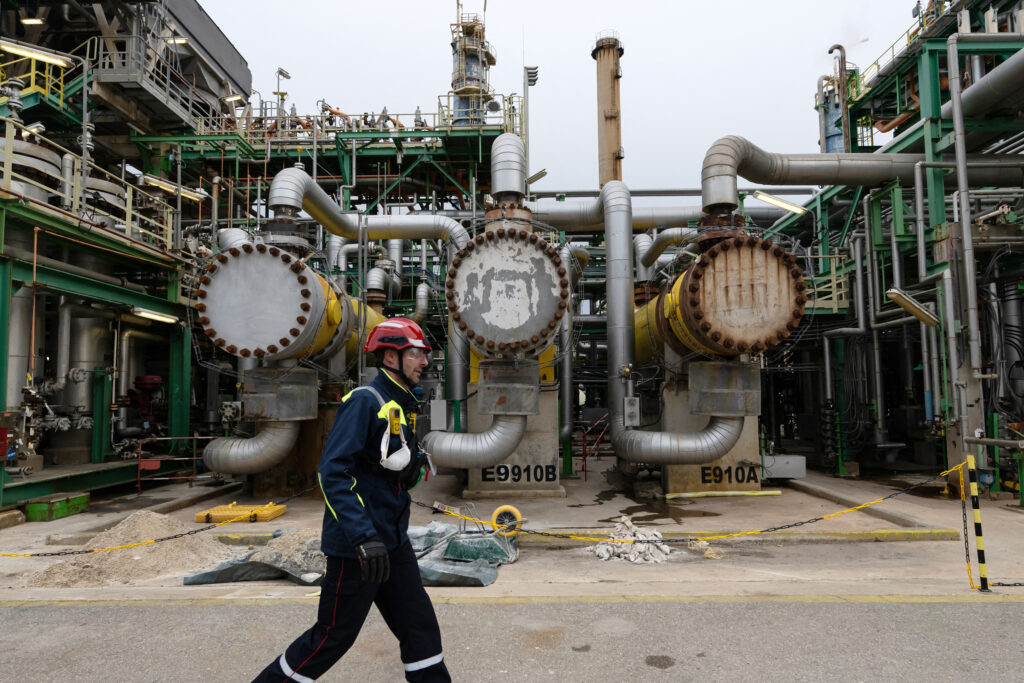
U.S.-based Hunt Oil Co. has been emitting large volumes of greenhouse gases from the major gas export terminal that it operates in Peru without authorization for at least 12 years, according to the findings of an investigation by Peru’s Convoca in partnership with the research group Point Source.
The findings have raised significant concerns about oversight and regulation of energy companies in Peru, which exports liquefied natural gas (LNG) to countries that include Japan, the U.K., the Netherlands and South Korea.
The facility is owned by the joint venture company Peru LNG, which Hunt Oil Co. holds a 35 percent stake in.
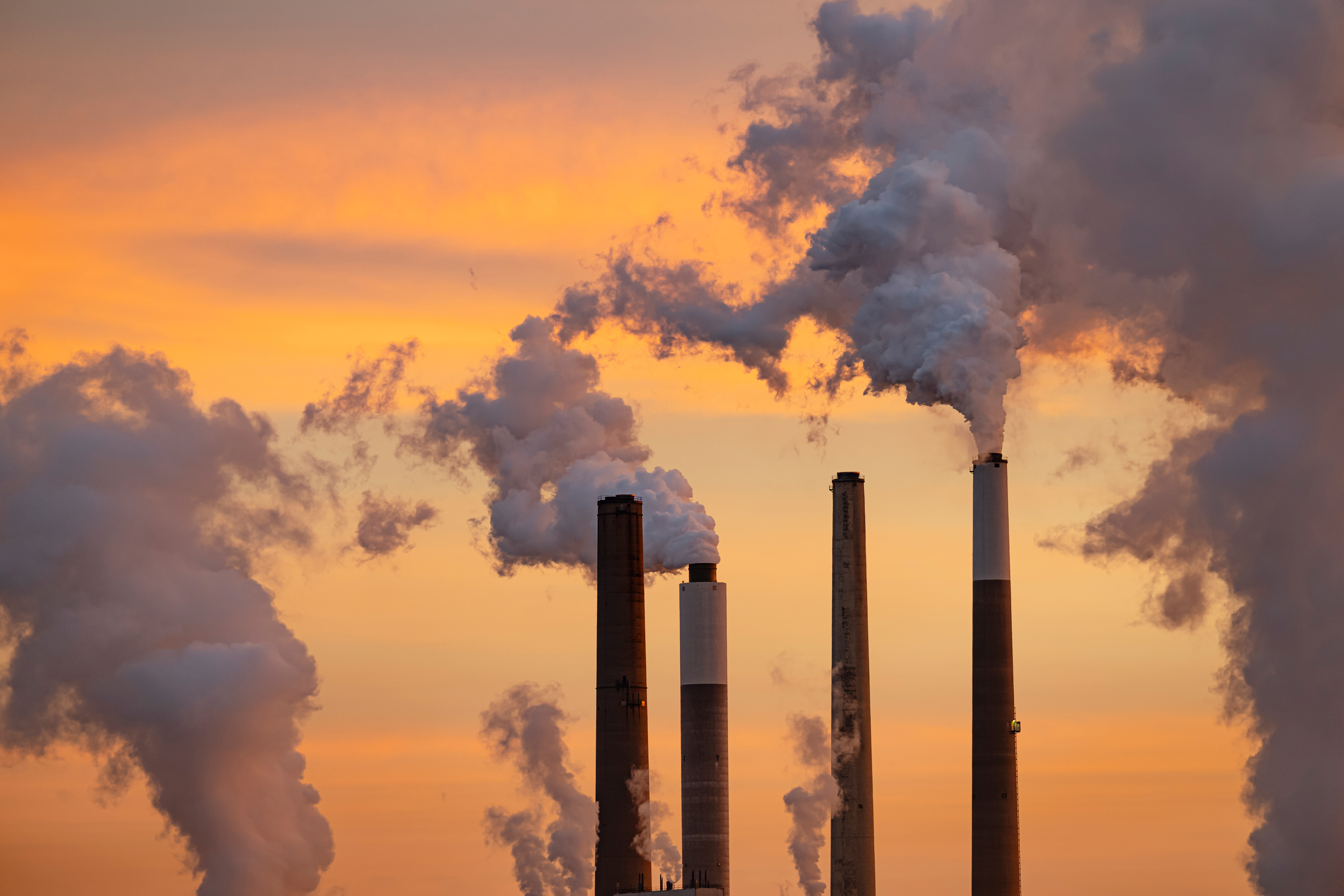
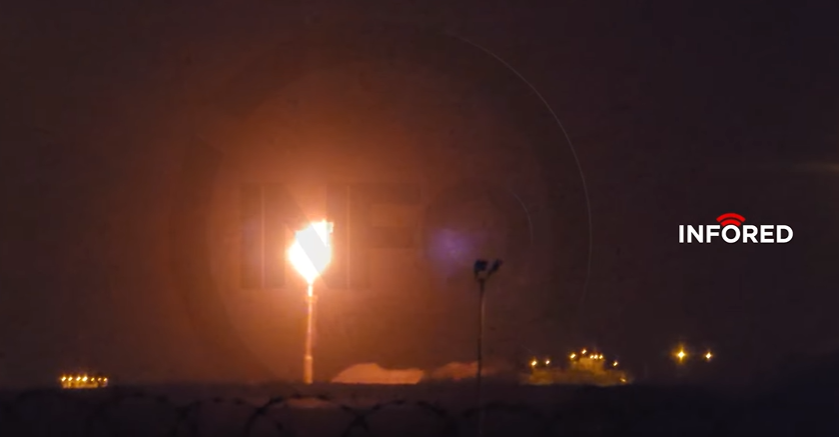
Between Jan. 1, 2012, and Dec. 31, 2024, the facility burned off an estimated 55.5 million cubic meters of unused gas, according to satellite data gathered by the Colorado School of Mines and analysed by Point Source.
The burning of unused gas in this way is known as “flaring” in the industry, and under Article 44 of Peru’s hydrocarbons law, companies are only permitted to do this if they have prior authorization from the country’s Ministry of Energy and Mining (MINEM).
When contacted by Convoca about the large volumes of gas being flared from the facility, MINEM said, “The review of the information available at the General Directorate of Hydrocarbons shows that no approvals have been granted to the company Peru LNG for the burning of natural gas from 2013 to 2025.”
Methane Venting
The facility has also released methane directly into the atmosphere without being burned, according to the investigation findings.
This is known as “venting” in the oil and gas industry. It is more environmentally damaging than burning the gas using flare stacks, and more difficult to track.
A large venting incident was documented at the site on July 27, 2023, when methane was released at a rate of 882 kg/h, according to data recorded by GHGSat, a Canadian company that provides high-resolution satellite and aircraft-based monitoring of greenhouse gas emissions.
Under the regulations that govern Peru’s oil and gas sector, gas venting is not permitted unless it is an “unavoidable” situation such as an emergency.
If venting does take place, companies are required to report the venting within 24 hours to the General Directorate of Hydrocarbons as well as the energy and mining regulator, Osinergmin.
When contacted about the methane release that was detected by the satellite, Osinergmin said: “Regarding the mention of a venting event carried out in July 2023, while Osinergmin has the authority to authorise venting (Supreme Decree No. 040-99-EM), a review of the records for the indicated dates revealed no request or authorisation related to that period.”
Rising Volumes
The volume of unused gas burnt off at the Peru LNG export terminal more than doubled last year, raising concerns about the worsening environmental impact of the facility’s emissions.
The terminal flared an estimated 10.3 million cubic meters of gas in 2024, compared to an estimated 4 million cubic meters in 2023, according to the satellite data.
The significant increase in flaring at the terminal has heightened concerns that the aging facility is not being properly maintained, with the operator potentially cutting corners on needed repairs in order to increase profit margins.
“Rising flaring volumes from this terminal is alarming and points to operational issues and a potential lack of proper maintenance,” said Justin Mikulka, a spokesperson for the oil and gas monitoring organization Oilfield Witness.
Between 2012 and 2020, annual gas flaring at the facility never exceeded 5 million cubic meters, but in recent years, the terminal has exceeded 10 million cubic meters on two occasions.
While the volume of gas that has been flared has gone up, the total volume of gas that is exported annually from the terminal has declined.
In 2024, 4.7 billion cubic meters (BCM) of gas was exported from the terminal, according to the Energy Institute’s Statistical Review of World Energy.
This is down from a peak of 5.7 BCM in 2012 and 2013, when flaring levels were more than four times lower.
“The operator needs to take responsibility for this rising flaring given the severe environmental consequences that it causes,” said Justine Gonda, an oil and gas campaigner at the research organization Reclaim Finance.
Methane Concerns
Experts believe that the methane venting incident that was detected in July 2023 could be one of many—with the other incidents going undetected due to logistical problems with tracking this type of event.
“The methane flare from this facility that was picked up by the satellite is likely to be a tiny fraction of the true emissions,” said Mikulka. “It’s very hard to quantify the full methane emissions from any facility with only periodic observations. There aren’t many operational methane-monitoring satellites, and they are only able to monitor facilities for a short time while they pass above them.”
In a report published in May this year, the Paris-based International Energy Agency said that it believed that global methane emissions were being significantly underreported. It estimated that the true level of energy-related methane emissions globally was about 80 percent higher than the volumes reported by countries to the UN Framework Convention on Climate Change (UNFCCC).
Hunt Oil Co. declined to answer questions about what happened at the facility in July 2023 to cause it to release such a large volume of methane emissions. It also declined to say whether it would let an independent team of monitors into the facility to check for leaks and deliberate venting.
Environmental Claims
The current level of emissions from the facility have raised concerns that Peru LNG, the joint venture company that owns the terminal, may have misled Peru’s Ministry of Energy and Mines and the Ministry of Environment when it was applying for construction permits for the project.
In the environmental impact assessment documents from 2003, during the early stages of the project to develop the gas terminal, Peru LNG said that the gas flares at the site would only be used “in emergency situations.”
The satellite data has revealed that, in reality, they are used on a regular basis, with the flare in use 38 percent of the times that the facility was documented by satellites in 2024.
“All too often, we are seeing oil and gas companies making social and environmental commitments that are not fully implemented after permits are granted and financing secured, highlighting gaps in accountability and enforcement,” Gonda said.
Eszter Matyas, a campaigner for environmental organization Greenpeace, said the findings on the massive increase in fossil gas flaring and methane emissions from the Peru LNG terminal are “deeply alarming.”
“Hunt Oil Company and its partners must immediately explain how a facility that was supposed to use flaring ‘only in emergency situations’ has turned routine flaring into standard practice, causing severe harm to the climate and nearby communities,” she said.
An analysis by Convoca also found that Peru LNG’s environmental impact assessment documents said that the project would provide “non-polluting fuel for international markets,” despite the fuel creating damaging emissions when it is produced, transported and ultimately burned by end users.
“The idea that LNG is presented as a ‘non-polluting fuel’ in the documents is total madness and obviously completely untrue,” said Mikulka. “The fact that this is written down in the documents shows that they have been put together without any rigor or commitment to ensuring proper standards.”
Environmental Violations
Since the formation of the Peru LNG joint venture company, a total of 17 environmental infractions have been documented by Peru’s environmental assessment and enforcement agency, OEFA.
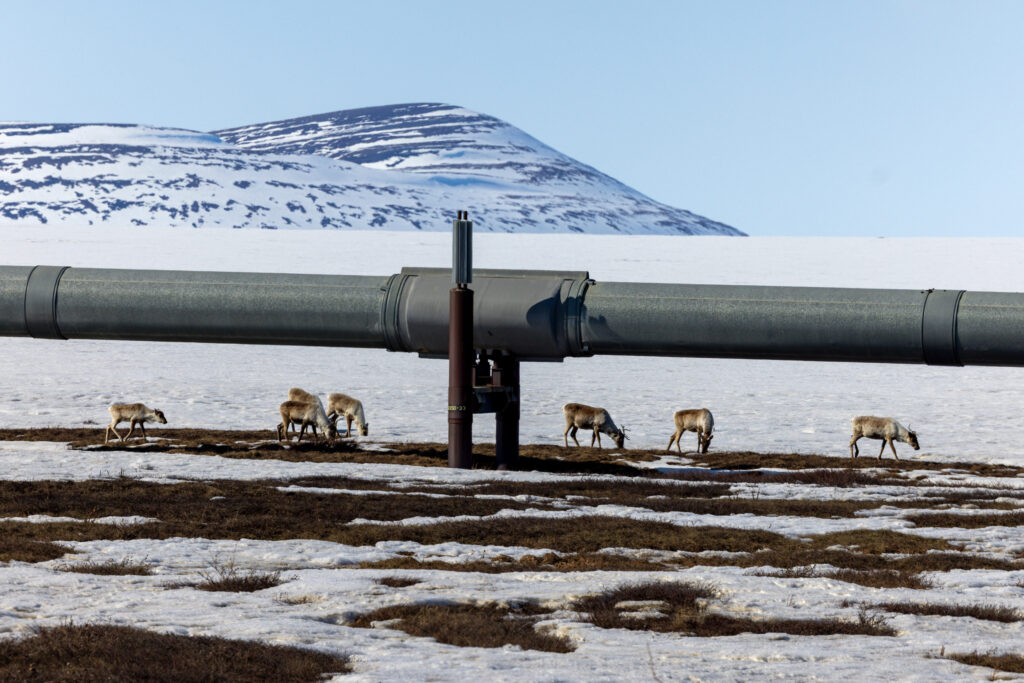
These include violations at the site of the LNG export facility as well as along the route of the 408-kilometer pipeline that supplies it with gas, according to OEFA’s registry of environmental sanctions. The violations include non-compliance with environmental cleanup plans, failures in environmental monitoring, exceeding water pollution limits and failure to provide information required by OEFA. For these violations, Peru LNG has been fined a total of PEN408,000 ($121,000).
This story is funded by readers like you.
Our nonprofit newsroom provides award-winning climate coverage free of charge and advertising. We rely on donations from readers like you to keep going. Please donate now to support our work.
Donate Now
“This is just the latest chapter in a long history of extractive companies from North America profiting from poisoning and polluting in Latin America,” Mikulka said. “You can look at everything from gold mining to companies that are cutting down the Amazon to farm cattle. The top executives from these companies don’t live in Peru and they’re never going to see the results of this pollution. They couldn’t care less.”
Wider Issues
Oil companies have promoted LNG as a cleaner alternative to oil and coal, but there are growing concerns about emissions from the gas fields, export terminals and processing plants.
In 2024, a peer-reviewed study by Robert Howarth, a professor at Cornell University, found that LNG was 33 percent worse in terms of planet-heating emissions over a 20-year period compared to coal.
In addition to concerns about the environmental impact of increased emissions, there are also concerns about the health impact on nearby communities.
In 2024, the U.S.-based Bullard Center for Environmental and Climate Justice published a report highlighting that LNG export facilities degrade air quality by releasing pollutants known to cause respiratory illnesses, cancer and birth defects from prolonged exposure.
“The negative health implications of these facilities is often overlooked. They are often releasing volatile organic compounds like benzene, sulfur dioxide and hydrogen sulfide,” Mikulka said. “They are poisoning the area around them and could have serious health consequences to people and animals that spend long periods of time nearby.”
Global Boom
Rising greenhouse gas emissions from the Peru LNG terminal have increased concerns about the wider global boom in LNG usage.
A record-breaking volume of LNG export capacity is expected to be brought online over coming years, with the IEA expecting around 300 billion cubic meters per year to be added by 2030.
“The climate crisis makes it crystal clear: We must rapidly phase out fossil fuels, including so-called ‘natural’ gas, which has become one of the main drivers of the climate emergency,” Matyas said. “Methane is already responsible for around 30 percent of the global temperature rise to date, which makes it a vital environmental priority to reduce the amount of methane escaping into the atmosphere, both from leaks and from practices considered ‘routine’ or ‘normal operations.’
“The situation at Peru LNG is a clear reminder that promises of ‘clean gas’ are a dangerous illusion, and that only a rapid move away from fossil fuels can protect people and the planet.”
In a statement responding to questions from Convoca, Hunt Oil Co. said: “While we appreciate you reaching out, we have no comment. As a privately held company, we have a longstanding policy of not commenting on our operations around the world.”
The joint venture company Peru LNG also declined to answer questions about emissions from its gas processing infrastructure.
About This Story
Perhaps you noticed: This story, like all the news we publish, is free to read. That’s because Inside Climate News is a 501c3 nonprofit organization. We do not charge a subscription fee, lock our news behind a paywall, or clutter our website with ads. We make our news on climate and the environment freely available to you and anyone who wants it.
That’s not all. We also share our news for free with scores of other media organizations around the country. Many of them can’t afford to do environmental journalism of their own. We’ve built bureaus from coast to coast to report local stories, collaborate with local newsrooms and co-publish articles so that this vital work is shared as widely as possible.
Two of us launched ICN in 2007. Six years later we earned a Pulitzer Prize for National Reporting, and now we run the oldest and largest dedicated climate newsroom in the nation. We tell the story in all its complexity. We hold polluters accountable. We expose environmental injustice. We debunk misinformation. We scrutinize solutions and inspire action.
Donations from readers like you fund every aspect of what we do. If you don’t already, will you support our ongoing work, our reporting on the biggest crisis facing our planet, and help us reach even more readers in more places?
Please take a moment to make a tax-deductible donation. Every one of them makes a difference.
Thank you,