

The UK has a huge geothermal resource that is virtually invisible in government energy policy, says a new report published today (10 November).
The Coal Mines for Heat Decarbonisation report by Durham Energy Institute, University of Durham, lays out the untapped potential for mine water geothermal heat (MWGH) and what’s holding the sector back.
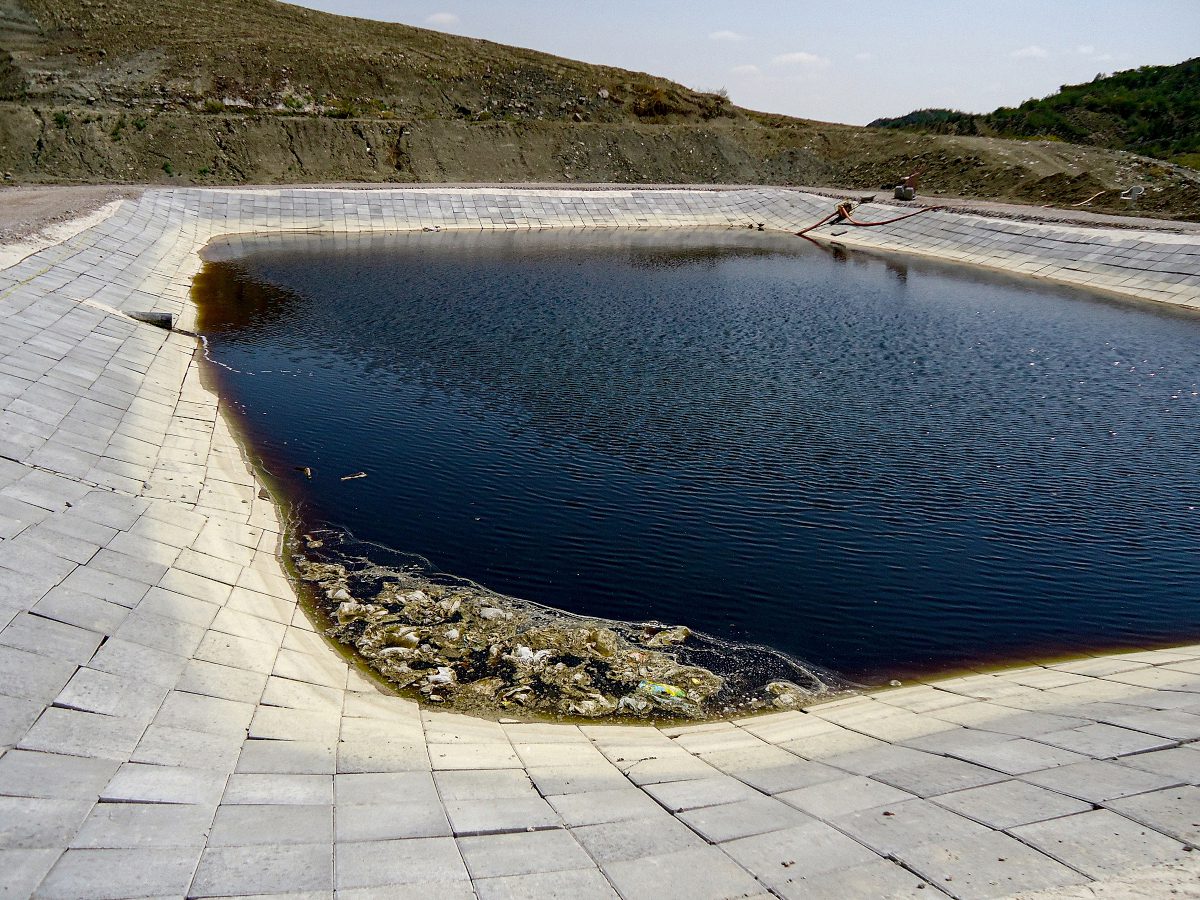
When coal mines closed across the UK, many former mines gradually filled with water. This water has been warmed by natural processes and, if sustainably managed, can provide a low-carbon, renewable source of heat for homes and businesses. In existing mine water geothermal systems, the heat is extracted using pumps and heat exchangers and fed into district heating systems.
With a quarter of UK homes and businesses sitting on former coalfields, the report estimates that these could potentially provide up to 1.2x the heat demand of the UK each year. Despite this potential, MWGH is little mentioned in government energy policy and has had limited take up in the UK.
The barriers are not technological challenges: MWGH has already been proven at scale, with systems operational in both the UK and abroad. The UK’s largest system is in Gateshead, where a 6MW pump supplies 40% of the heat for the city’s district heating network.
According to the report, broader national deployment is hampered by the lack of clear policies around MWGH and a complex regulatory system that distorts the economics and increases the perceived risks and capital costs for new schemes.
As a result, the authors say, the UK is missing out on a stable, renewable decentralised domestic energy source that could offer multiple benefits:
- Stable and consistent low temperature heat ideal for district heating.
- Running costs low in comparison to air source heat pumps but placing lower demand on the grid.
- Usable for heating, cooling (e.g. for data centres) and energy storage.
Potential to create high quality jobs and bring economic renewal to deprived former mining areas.
The report lays out what needs to happen for the UK to reap these benefits:
- Recognition of geothermal heat as a natural resource, with a bespoke regulatory system.
- Decoupling of electricity pricing from gas, to incentivise MWGH over gas boilers.
Including MWGH in national and regional energy planning and have a presumption in favour of MWGH schemes. - Creating a funding mechanism to derisk initial capital investment, as was the case for other renewables at an early stage.
Professor Simone Abram, Executive Director of the Durham Energy Institute and Ørsted Chair in Green Energy Systems at Durham University, said:
“To unlock the potential for mine water geothermal heat will require a mix of financial incentives, regulatory reform and, most of all, leadership to champion this energy opportunity. Mine water heat provides a way for the UK to meet its net zero obligations and also to boost economic growth in often deprived former mining areas. The Northeast is leading the way, with the UK’s greatest concentration of mine water geothermal schemes in operation. As we lay out in this report, there are clear actions by governments and others that could mean the whole of the country can reap the benefits from our former mines.”