

Friday, January 30, 2026
  • Privacy Policy
  • Contact
  • Terms & Conditions
Environmental Magazine
Advertisement
  • Home
  • News
  • Climate Change
  • Energy
  • Recycling
  • Air
  • Fossil Fuels
  • Water
No Result
View All Result
Environmental Magazine
  • Home
  • News
  • Climate Change
  • Energy
  • Recycling
  • Air
  • Fossil Fuels
  • Water
No Result
View All Result
Environmental Magazine
No Result
View All Result
Home News

Tentacle-like underwater robot will make offshore inspections safer and more precise, say creators

September 8, 2025
in News
A A

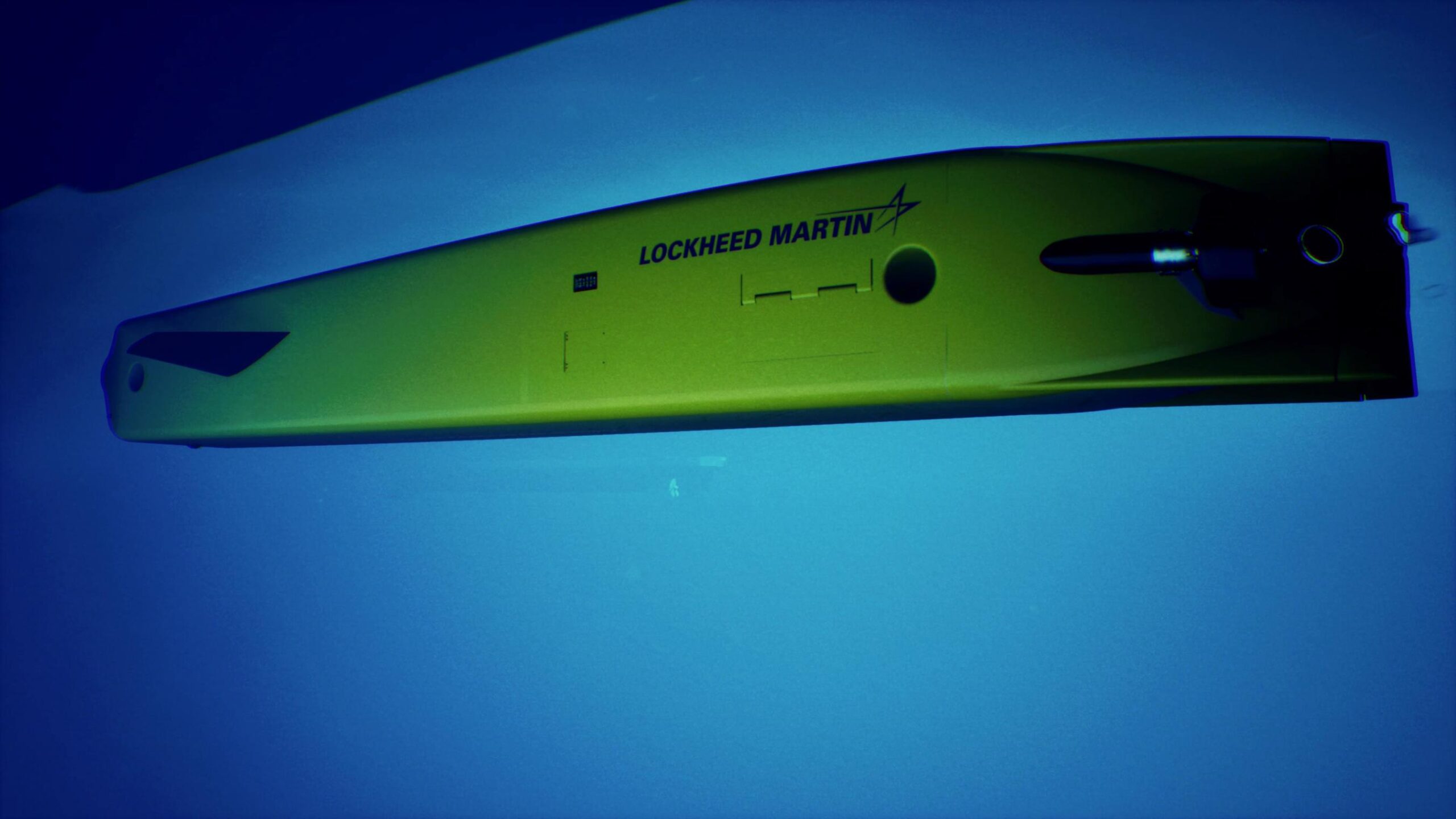
A tentacle-like underwater robot that its creators say can safely interact with offshore structures is being primed for a role in the inspection and maintenance of subsea infrastructure.

Developed through a collaboration between the UK’s National Robotarium and Brazilian technology firm Senai Cimatec, the 1-metre-long flexible manipulator features a soft, bendy design that conforms to structures during contact. This offers significant advantages over conventional rigid manipulators when working near delicate or complex subsea equipment.

The breakthrough addresses key challenges in offshore inspection, where subsea pipelines and equipment at depths reaching nearly 3000m must be regularly checked to ensure safety and prevent costly failures. With offshore infrastructure decommissioning costs estimated at over $100 billion by 2030, extending the safe operational life of existing pipelines and equipment delivers both significant economic savings and reduces environmental impact.

The robot, which has been designed and developed by engineers at the National Robotarium, the UK’s centre for robotics and AI at Heriot-Watt University, works by combining a flexible backbone with a system of tendon-like cables that control its movement. Special sensors help it understand its position and shape underwater, allowing the robot to make precise movements even in turbulent conditions. This makes it ideal for deploying from underwater vehicles to inspect offshore wind farms, as well as other offshore energy and marine infrastructure.

Tests conducted at the National Robotarium’s wave tank facility show the robot can position its tentacle-like arm with remarkable accuracy and maintain stability when subjected to external forces of up to 300g. Even when intentionally disturbed, it can correct its position and return to the desired state within seconds – a crucial capability for operation in unpredictable ocean environments.

Rowanne Miller, Project Manager at the National Robotarium, said: “This breakthrough represents a significant milestone for the National Robotarium, showcasing our comprehensive end-to-end project delivery capabilities. Our team has taken this innovative underwater robot from initial concept through design and development to successful testing in real-world conditions. What makes this particularly exciting is that we’ve created a solution that doesn’t just incrementally improve existing technology – it fundamentally changes how we can approach underwater inspection tasks, opening up new possibilities for safer, more precise interaction with critical subsea infrastructure and potentially transforming how we maintain and protect our offshore assets for decades to come.”

Lucas Silva, Lead Researcher at SENAI CIMATEC, said: “We worked together with the National Robotarium to conceive an innovative take on underwater manipulation, opening up new use cases for the industry. This new branch of development represents an important and disruptive upgrade to our robotics development roadmap, and the seamless cooperation with The National Robotarium played a key role in this new achievement, setting new standards for future international partnerships”.

The technology is primarily aimed at offshore energy companies, underwater inspection service providers, and operators of subsea infrastructure who conduct regular safety assessments. Traditional inspection methods often require large vessels and human divers, creating both safety hazards and significant carbon footprints. It is hoped the ground-breaking innovation could enable smaller underwater vehicles to perform sophisticated inspection tasks, substantially reducing operational costs while improving personnel safety and environmental sustainability.

The project demonstrates how soft robotics – typically developed at small scales for delicate tasks – can be successfully scaled up to solve real-world engineering challenges in demanding environments.

The soft robotic tentacle will be on display at the inaugural UK Robotics Expo, taking place at The National Robotarium on Thursday 18 September.
ShareTweetSharePinSendShare

Related Articles

Waste heat from data centres could heat over 3.5 million UK homes
News

Waste heat from data centres could heat over 3.5 million UK homes

January 28, 2026
Record wasted wind could have powered every home in London in 2025
News

Record wasted wind could have powered every home in London in 2025

January 26, 2026
Biofilms might be key to supporting the health of space missions
News

Biofilms might be key to supporting the health of space missions

January 22, 2026
Nature groups say nuclear review exaggerates the cost of preventing harm to nature
News

Nature groups say nuclear review exaggerates the cost of preventing harm to nature

January 20, 2026
End trade-off between recycling targets and toxic exposure, Zero Waste Europe urges EU
News

End trade-off between recycling targets and toxic exposure, Zero Waste Europe urges EU

January 19, 2026
Rare earth magnet recycling centre launched in West Midlands
News

Rare earth magnet recycling centre launched in West Midlands

January 19, 2026

Leave a Reply Cancel reply

Your email address will not be published. Required fields are marked *

Recommended

Study explores complex ocean conditions surrounding world’s most powerful tidal turbine

Study explores complex ocean conditions surrounding world’s most powerful tidal turbine

September 27, 2024
Beneath the surface: Sonar technology revolutionises sludge and silt mapping

Beneath the surface: Sonar technology revolutionises sludge and silt mapping

May 30, 2024

Don't miss it

Global Energy Transition Investment Grew in 2025 Despite Major Obstacles; Here Are the Numbers
Energy

Global Energy Transition Investment Grew in 2025 Despite Major Obstacles; Here Are the Numbers

January 30, 2026
Maine Again Looks North for Onshore Wind, but Full Grid Integration Will Have to Wait
Energy

Maine Again Looks North for Onshore Wind, but Full Grid Integration Will Have to Wait

January 30, 2026
 In Arizona, Utilities and State Regulators Double Down on Fossil Fuels and Higher Costs Despite Opposition From Residents
Fossil Fuels

 In Arizona, Utilities and State Regulators Double Down on Fossil Fuels and Higher Costs Despite Opposition From Residents

January 30, 2026
Global Energy Transition Investment Grew in 2025 Despite Major Obstacles; Here Are the Numbers
Energy

Global Energy Transition Investment Grew in 2025 Despite Major Obstacles;  Here Are the Numbers

January 29, 2026
Developer Calls GW Ranch in Pecos County, Texas, the ‘Largest Power Project’ in U.S.
Fossil Fuels

Developer Calls GW Ranch in Pecos County, Texas, the ‘Largest Power Project’ in U.S.

January 29, 2026
Data Centers in PJM Grid Can Rely Solely on Generators During the Cold, DOE Rules
Fossil Fuels

Data Centers in PJM Grid Can Rely Solely on Generators During the Cold, DOE Rules

January 29, 2026
Environmental Magazine

Environmental Magazine, Latest News, Opinions, Analysis Environmental Magazine. Follow us for more news about Enviroment and climate change from all around the world.

Learn more

Sections

  • Activism
  • Air
  • Climate Change
  • Energy
  • Fossil Fuels
  • News
  • Uncategorized
  • Water

Topics

Activism Air Climate Change Energy Fossil Fuels News Uncategorized Water

Recent News

Global Energy Transition Investment Grew in 2025 Despite Major Obstacles; Here Are the Numbers

Global Energy Transition Investment Grew in 2025 Despite Major Obstacles; Here Are the Numbers

January 30, 2026
Maine Again Looks North for Onshore Wind, but Full Grid Integration Will Have to Wait

Maine Again Looks North for Onshore Wind, but Full Grid Integration Will Have to Wait

January 30, 2026

© 2023 Environmental Magazine. All rights reserved.

No Result
View All Result
  • Home
  • News
  • Climate Change
  • Energy
  • Recycling
  • Air
  • Fossil Fuels
  • Water

© 2023 Environmental Magazine. All rights reserved.

This website uses cookies. By continuing to use this website you are giving consent to cookies being used. Visit our Privacy and Cookie Policy.