

The Climate Change Committee (CCC) published its advice on the recommended level of Scotland’s forthcoming four carbon budgets (covering the period 2026 to 2045) on 21 May, presenting what it suggested was “a good news story about how Scotland can decarbonise”. Other commentators called attention to the country’s widening gap between ambition and delivery, and suggested areas in need of attention.
This is the first time the Scottish Government has requested these figures from the Committee, following a practice already established for the UK Government, Northern Ireland Assembly, and the Welsh Parliament.
The advisory body recommended that the Scottish Government sets its carbon budgets, including the country’s share of international aviation and shipping emissions, at annual average levels of emissions that are: 57% lower than 1990 levels for the First Carbon Budget (2026 to 2030); 69% lower than 1990 levels for the Second Carbon Budget (2031 to 2035); 80% lower than 1990 levels for the Third Carbon Budget (2036 to 2040); and 94% lower than 1990 levels for the Fourth Carbon Budget (2041 to 2045).1
As of 2022, emissions were 50% below 1990 levels. “Delivering these budgets will have a net cost of around 0.4% of Scotland’s GDP per year”, said the group, “but will come with significant wider economic benefits for Scotland”.
“These include savings to the economy and households from using more efficient, electric technologies.”
Aggressive electrification seemed to be the main pathway spotlighted by the document, following Scandinavian examples with respect to both EVs and heat pumps. Heat and transport are devolved policy areas on which the Scottish government has a brief to act.
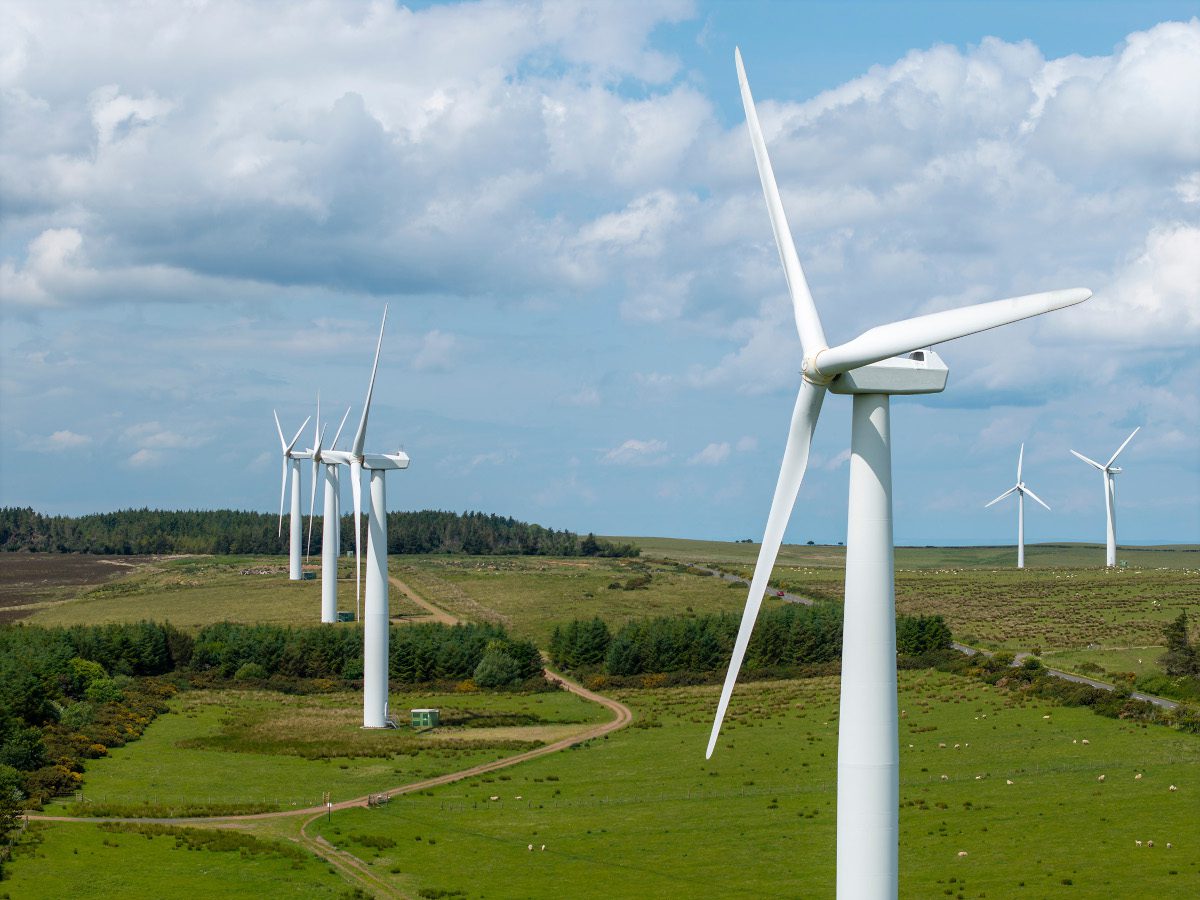
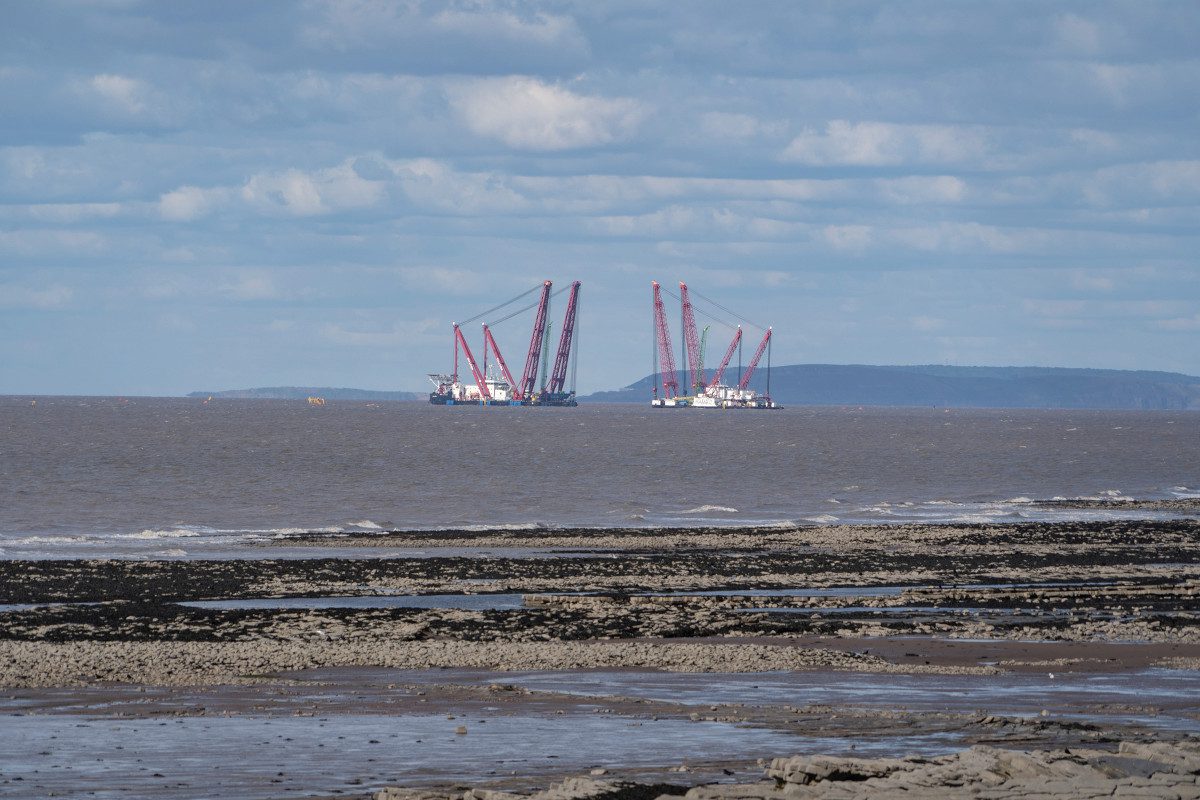
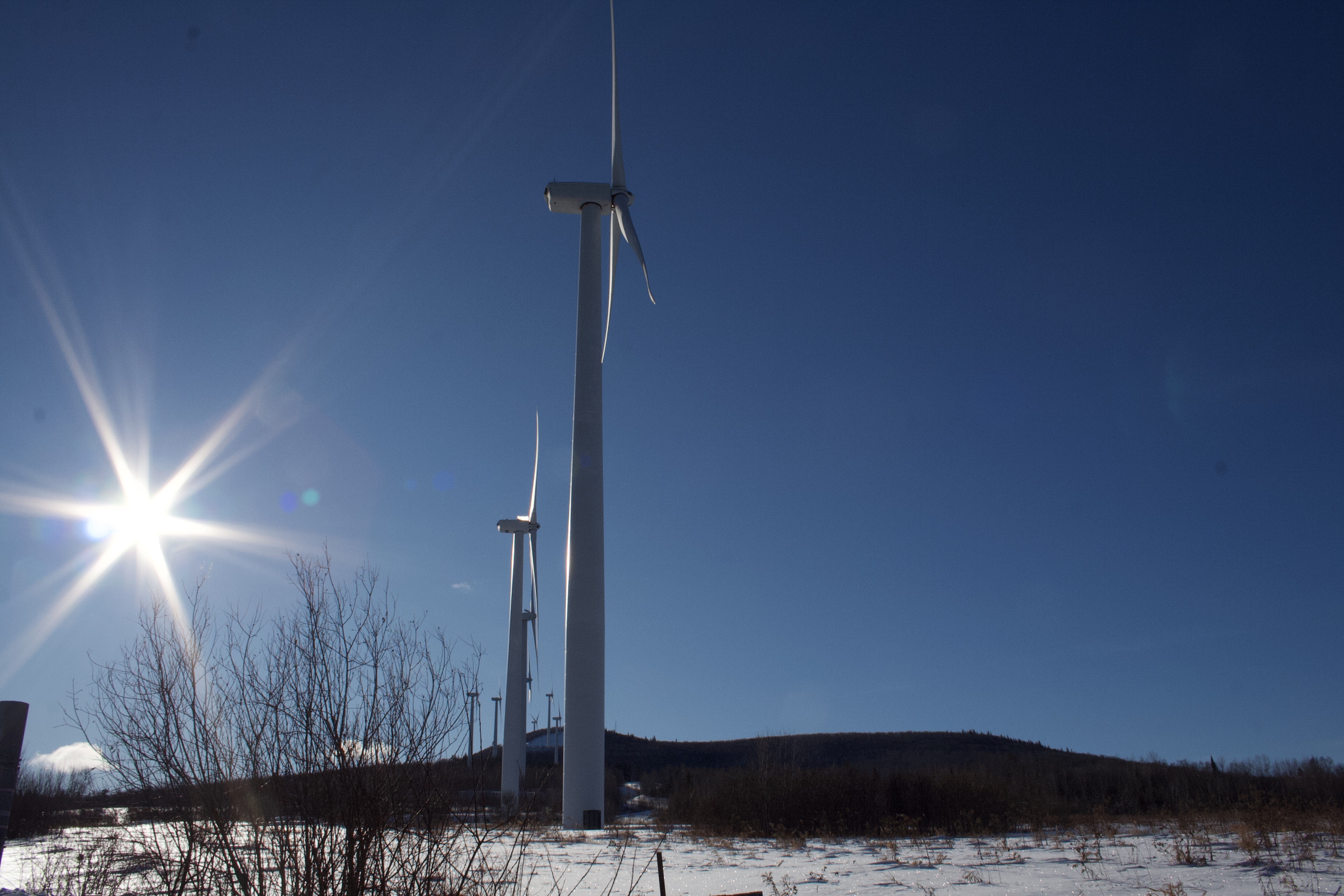
On renewable energy, the advice is to more than triple the capacity of solar and wind (onshore and offshore) from 15 GW in 2023, to 49 GW by 2035, further increasing its share to 66 GW by 2045. This will amount to these energy sources providing 98% of electricity generation in Scotland while also supporting demand elsewhere in the UK.
Transport should follow a steep trajectory of further electrification, advised the group, from an existing level of 2.2% of cars and 0.8% of vans being electric in 2023, rising to three-fifths of cars and vans being fully electric by 2035, and then 94% being electric in 2045. The figures assume ongoing increases in market share for EVs underpinned by falling prices for EV batteries. New electric cars and vans are “expected to reach price parity with petrol and diesel vehicles between 2026 and 2028”.
On heat pumps, the pathway envisages that 40% of existing homes are heated by low-carbon electric systems by 2035, most by a heat pump, with the remainder relying on heat networks or direct electric systems. On this timeline, 92% of existing homes would have low-carbon heat by 2045, which would reach all homes by 2050. Annual heat pump installations in these properties would need to “accelerate rapidly, reaching nearly 35,000 by 2030”.
“This rate of increase is in line with that seen in other European countries, such as the Republic of Ireland and the Netherlands.”
Such an increase in installation rates is feasible, said the CCC, but “requires immediate policy support”, and the published pathway includes recommendations. For example, with tenement buildings, “communal heat pumps, including high temperature systems, and heat networks are likely to be the best solutions in many cases.” And this will require governance frameworks to support delivery.

Support will be needed to address some of the outstanding obstacles to this kind of deployment, such as the cost barriers to low-income households. The CCC urged the Scottish government to come up with an alternative to the abandoned proposals in the Heat in Buildings bill for regulations to upgrade properties at the point of sale.
Supporting households to install low-carbon heating was one of 18 priority recommendations outlined in the document, indicating areas that require “immediate action to put Scotland on track to deliver the carbon budgets.”
Others included supporting households to install home insulation measures, and support to expand the EV charging infrastructure. The latter is 7% higher than the UK average, as the document noted, but will need to continue to increase in line with EV uptake.
On farming and nature, the CCC also recommended that the Scottish government incentives farmers and land managers “to diversify their incomes for actions including woodland creation, peatland restoration, agroforestry, and renewable energy”.
Responding to the document, Stefanie O’Gorman, Director of Sustainable Economics, Ramboll, commented:
“The CCC’s latest report confirms that Scotland is not delivering climate action at the scale or urgency required. Despite strong rhetoric and a promised ‘year of delivery’, vital policies have been scrapped or watered down, progress has stalled, and the gap between ambition and reality is widening.
“There is a lot to be done. The Scottish Government has not delivered on key commitments, and if we are to meet the CCC’s recommended emissions budget, that trend must be urgently reversed.
“Climate action is still being framed to some degree as a trade-off against the cost of living or other social priorities. In truth, it’s an investment – one that delivers far beyond climate benefits: boosting energy security, tackling fuel poverty, creating jobs, and improving infrastructure resilience. The CCC estimates that delivering this budget would cost just 0.6% of Scottish GDP. This is not a burden – it’s an opportunity.
“If this is to be a genuine year of delivery, it must start with honesty about where we stand – and a rapid shift to joined-up and properly resourced action. Scotland’s climate future depends on it.”
Professor Lori McElroy, Chair of campaign group the Existing Homes Alliance, said:
“The latest advice from the Climate Change Committee highlights the scale of the challenge still facing Scotland. We urgently need leadership and clarity from the Scottish Government if we are to close the gap between ambition and delivery.”
She called for more clarity on how Scotland will reach the targets outlined in the CCC’s pathway, for thinigs like heat pumps and home electrification. “It must also include clear minimum energy efficiency standards, a trajectory for ending the use of fossil fuel heating, and strong support for households – particularly those on low incomes – to overcome barriers like upfront costs.”
Notes
[1] The CCC has provided these carbon budgets as five-year average percentage reductions from 1990 levels.