

New technologies to store renewable energy, power data centres and computers more efficiently and multiply the power of batteries four-fold are among the engineering solutions awarded a share of £39 million by the Royal Academy of Engineering today (18 December).
A total of 13 Green Future Fellows have been awarded £3 million each to scale ambitious ideas and cutting-edge engineering over the next decade into commercially viable technologies capable of making a lasting impact on the climate crisis. The Green Future Fellowship programme is funded by the Department for Science, Innovation and Technology.
The first awardees include innovators developing technologies that turns waste CO2 into useful products like plastics, fuels and chemicals, engineers creating more efficient and recyclable solar panels, and a project to extract critical metals for batteries, magnets, solar panels and fuel cells by filtering salty water.
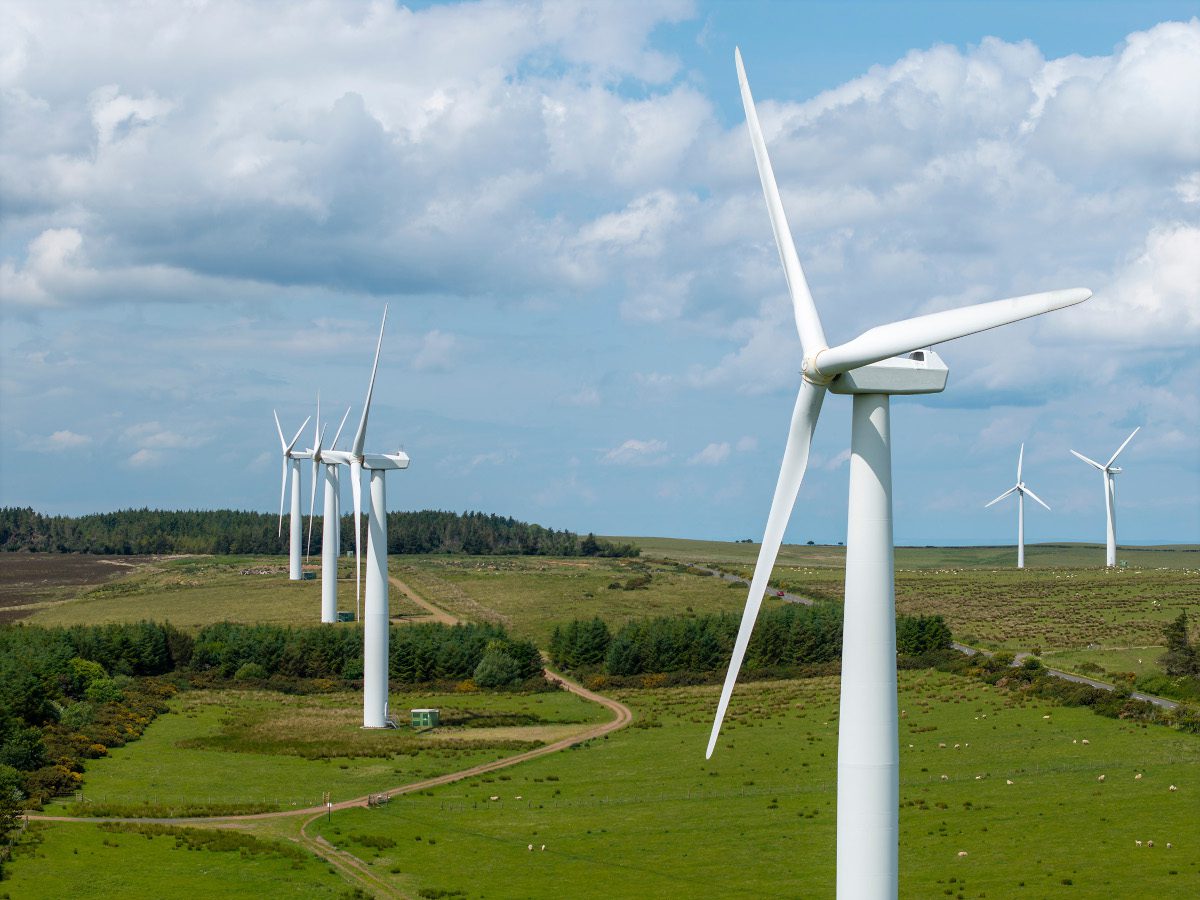
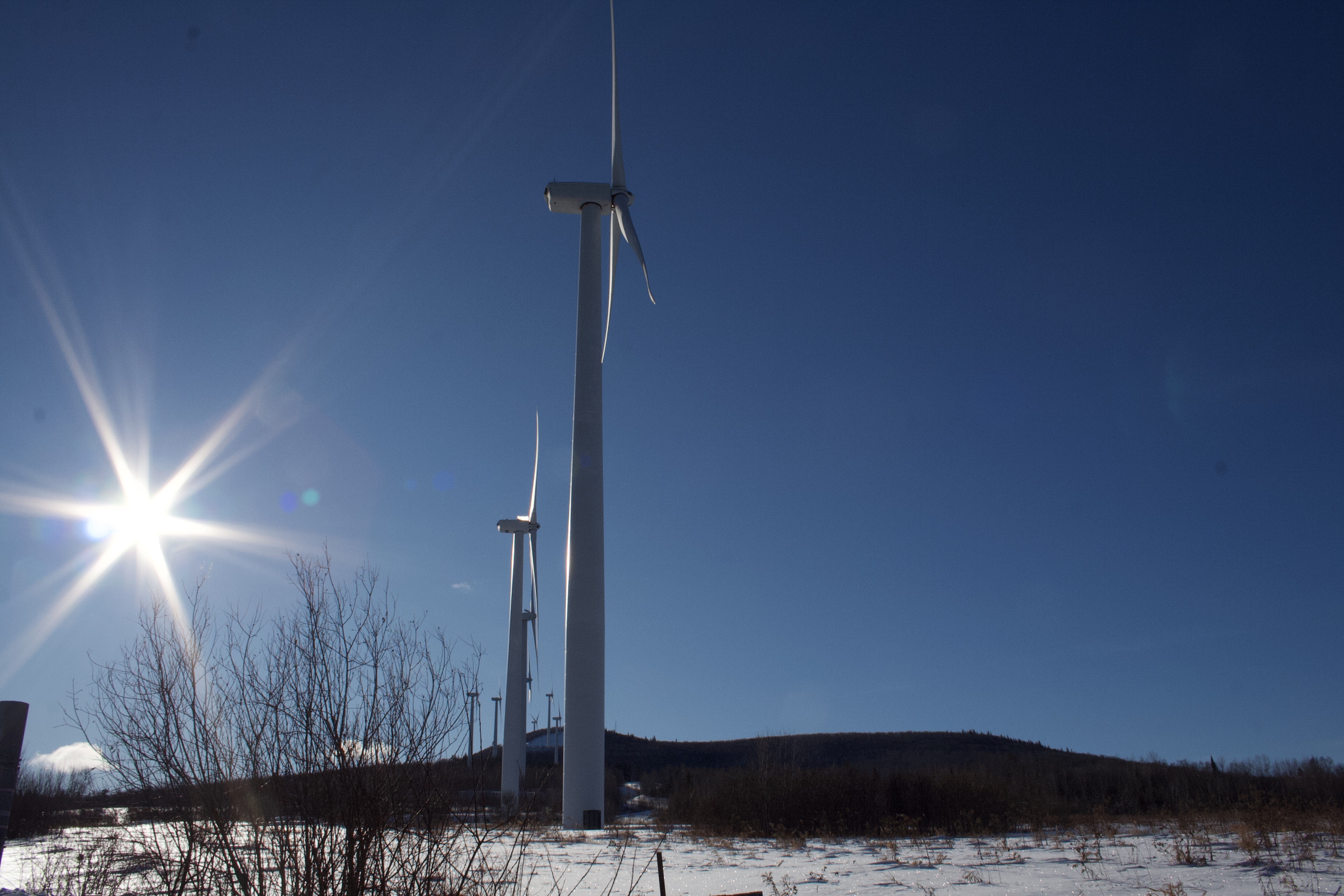
• The way we store renewable energy for long-term future use is the focus of Professor Laura Torrente’s work at the University of Cambridge. She is using renewable electricity, water and nitrogen from air to produce ammonia cleanly and safely. In this way, clean energy is stored in the chemical bonds of the carbon-free ammonia which can be used as a fuel and as a backup for renewable power generation (producing only water and nitrogen when burnt). Her work also focuses on safe ammonia storage so it can be easily transported to parts of the country where more energy capacity is required.
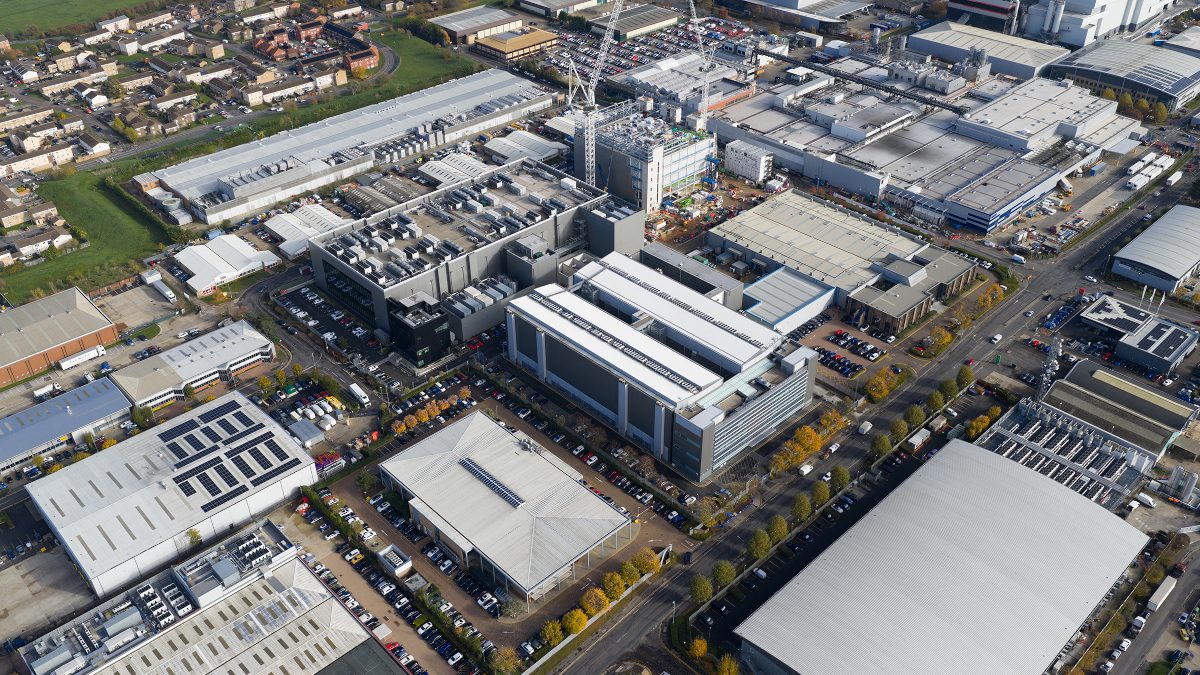
• Data centres use 1.5% of all electricity produced, with up to 40% of that electricity used on air cooling. Dr Rostislav Mikhaylovskiy from Lancaster University is developing a new type of memory that uses extremely short bursts of terahertz radiation – light pulses a thousand times faster than today’s technology. They flip the direction of small magnets that store bits of data. Because these pulses match the magnets energy, they can switch them without creating heat. This could lead to much faster, cooler and more energy-efficient data storage in the future.
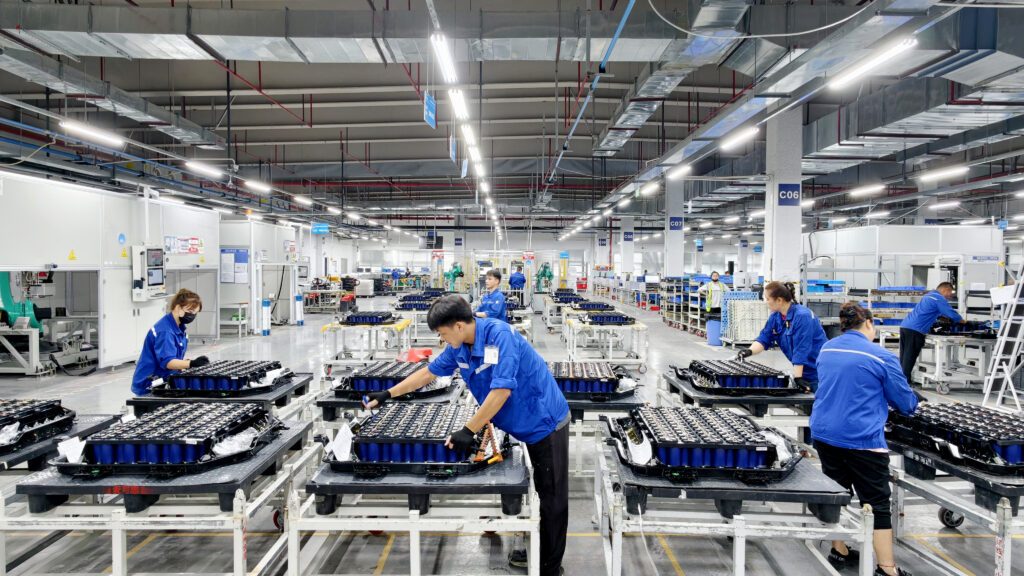
• Professor Robert House at the University of Oxford is developing a new type of battery that’s four times more energy dense than current lithium-ion (Li-ion) batteries, making them much lighter and more powerful, perfect for electric or hybrid planes. Using nanoengineering, they overcome the challenges of current Li-ion batteries, which carry a lot of excess unused weight in the electrode materials, instead generating power in a solid structure. Increasing the energy density four-fold means batteries can be made much smaller and lighter, which could help to electrify aeroplanes.
Other innovations use sound waves to destroy forever chemicals in water and soil as an alternative to pyrolytic incineration, use special microbes to convert carbon dioxide into clean hydrogen using green electricity, and capture and convert CO2 from manufacturing processes.
Baroness Brown of Cambridge DBE FREng FRS FMedSci, Fellow of the Royal Academy of Engineering and Chair of the Green Future Fellowship Steering Group, said:
“The climate crisis is the challenge of our generation. We need era-defining solutions that address the enormity of the challenge. Many of these solutions exist, but need the dual investment of money and time to make them a success. The Green Future Fellowships support innovators who are pushing engineering boundaries, building bold solutions to climate change mitigation, adaptation and resilience. The inaugural Green Future Fellows are pioneering truly advanced technologies and engineering solutions to protect the world we live in.”
Many of solutions to halt the rise in global average temperatures and adapt to the impacts of climate change need time and funding to be developed to scale and become commercially viable.
Supported by a £150m, long-term investment from the Department for Science, Innovation and Technology, the Green Future Fellowship was established to build bold solutions to climate adaptation, mitigation and resilience.
Dr Hayaatun Sillem CBE, CEO of the Royal Academy of Engineering, said:
“Engineering is playing a critical role in addressing the climate crisis. We are awarding £150 million over the next five years to at least 50 long-term, scalable, commercially viable solutions that will have real-world impact, with each awardee able to develop their solution over a 10-year period.
“This novel and ambitious approach to supporting climate solutions fills a gap in the funding landscape by providing flexible support to talented innovators from any background to convert transformational ideas into climate impact.
“The Royal Academy of Engineering’s Green Future Fellowships provide academics, entrepreneurs, innovators and engineers, the space and time to transform their cutting-edge ideas into scalable, commercially viable, technologies to secure a greener, fairer future.”
UK Science Minister Lord Vallance said:
“We can’t solve the climate crisis without engineering solutions. By supporting new approaches to key problems – storing renewable energy, extracting greenhouse gases from the atmosphere, and the huge carbon footprint of some industrial processes – these fellowships are empowering researchers to tackle global warming.
“Investing in this work reflects the Government’s wider commitment to make the UK the natural home for the best science that we all benefit from, and our ambition to make the UK a clean energy superpower.”
At least 50 Green Future Fellows will be appointed over five years. Successful applicants become a Green Future Fellow for the 10-year award duration, receiving up to £3 million alongside non-financial support such as training, mentorship, access to the Academy’s network of exceptional innovators, and additional tailored support.
Applicants can come from any country, however as a UK-funded initiative, they must locate their work in the UK. The solutions developed by the Green Future Fellows must deliver impact that benefits the UK, alongside any global impact.
The application period for the second round of funding closed in November with awardees to be announced in early 2027, while a third round is expected to open for applications in Autumn 2026. An Accelerated International Route is also open for exceptional non-UK-based applicants.
To find out more about the Green Future Fellowships, including how to apply for future cohorts, visit raeng.org.uk/green-future-fellowships