

Wednesday, January 7, 2026
  • Privacy Policy
  • Contact
  • Terms & Conditions
Environmental Magazine
Advertisement
  • Home
  • News
  • Climate Change
  • Energy
  • Recycling
  • Air
  • Fossil Fuels
  • Water
No Result
View All Result
Environmental Magazine
  • Home
  • News
  • Climate Change
  • Energy
  • Recycling
  • Air
  • Fossil Fuels
  • Water
No Result
View All Result
Environmental Magazine
No Result
View All Result
Home Water

Report details staggering extent of water leaks problem, and how real-time monitoring can help

October 10, 2025
in Water
A A

European properties are losing millions of euros annually due to water leakages, according to the latest Annual Water Report from Smartvatten, a firm that provides data about the sector. The document highlights the critical role of real-time water monitoring in mitigating both financial and environmental risks.

The report analysed water usage across 5,370 properties in 36 countries, monitored continuously for over two years, integrating proprietary consumption data with global water price and resource metrics. Findings reveal that nearly 772 million liters of water were lost to leaks in a single year, representing an estimated €3 million in avoidable costs. Individual leaks averaged over 13,000 liters, with the largest incident exceeding 18.8 million liters.

Hospitality properties are the leakiest, averaging 22 leaks per year and 485,000 liters lost annually. Although they represent just 4.5% of properties, they make up 11% of total leak volume due to continuous use and delayed detection. Retail and office spaces frequently experience moderate leaks due to complex plumbing and nighttime inactivity. However, a quick intervention can prevent over 230,000 liters of annual loss. Sports facilities have the largest leaks per incident, averaging 33,000 liters, often because idle periods let leaks go unnoticed.

Industrial sites see fewer but larger leaks, often from aging infrastructure and machinery.

Healthcare facilities lose 130,000 liters yearly, 77% of which stems from long-term leaks, making real-time monitoring critical say the authors. Residential properties report the highest number of leaks, though most are relatively minor, highlighting the need for tenant awareness and preventive maintenance.

Meanwhile, the report also shows how water prices have risen all across Northern Europe. In the UK, for example, costs increased by more than 8 percent year-over-year. The average increase in Europe is close to 10 percent higher between 2023 and 2024, compared to a general inflation rate of 4-5 percent in most of the region.

This upward trajectory in prices can be directly attributed to factors such as new tariffs, water scarcity, and aging infrastructure, which present significant challenges for both households and enterprises alike. Water scarcity affects various river basins across the EU, where urban population density and water abstraction for public supply, energy, and industry are significant factors. Over the last decade, droughts have also increased in frequency and severity, impacting seasonal water availability.

Real-time monitoring of water consumption has a measurable impact: according to the report, properties equipped with modern water consumption monitoring systems collectively saved over 1 million liters of water. In addition to reducing water waste, water monitoring can significantly lower a property’s energy bills.

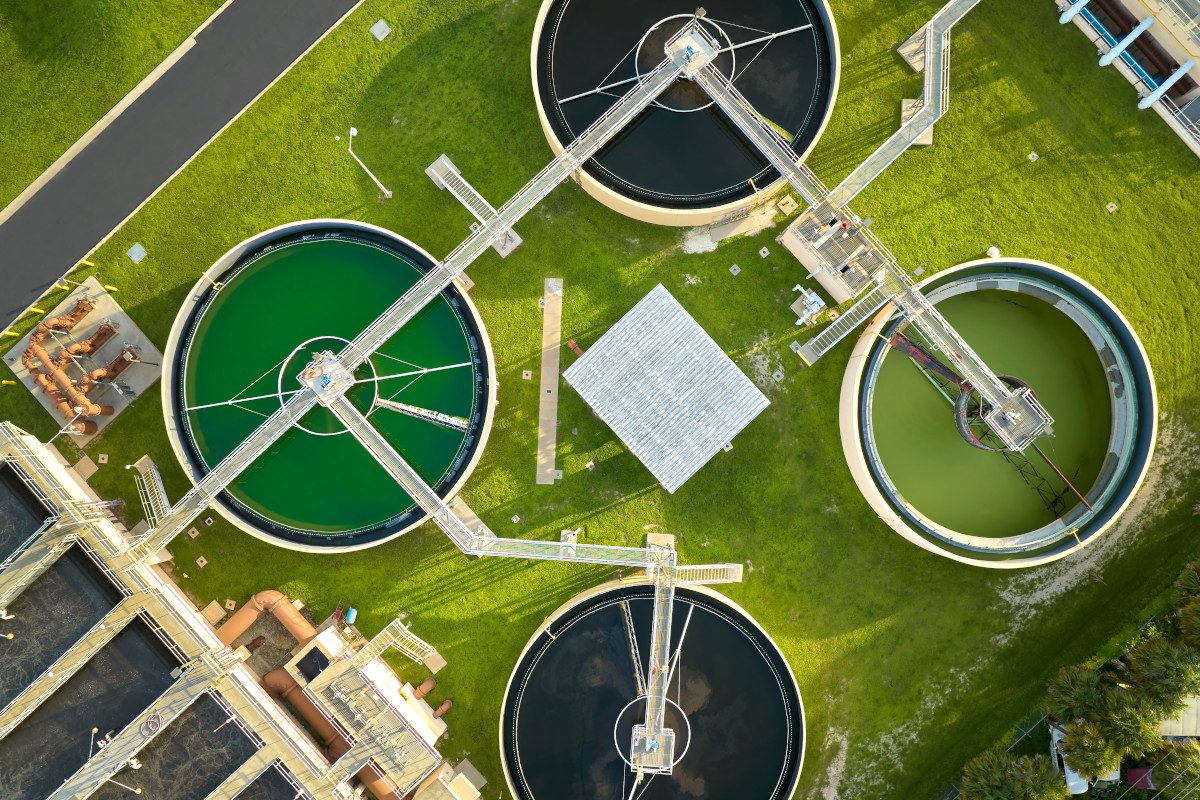
The report also details the energy-intensive process behind producing clean water. Before reaching the tap, water must be extracted, purified, transported, and distributed — each step consuming energy. After use, it must be treated before safely re-entering the natural water cycle. Households further increase energy demand by heating water: around 40% of household water use is hot, with higher temperatures requiring more energy.

Reducing water consumption directly lowers energy costs. On average, a 20% reduction in water use results in approximately 5% lower energy bills. With rising water and energy prices, cutting water waste is an increasingly effective way to save money and reduce environmental impact.

“Real estate owners can save hundreds of thousands of euros annually by taking water consumption and leakage prevention seriously. Regulations will not ease, water scarcity is not getting better, and infrastructure keeps aging – the time to act is now to ensure we have fresh water in the future,” Jepsson concludes.

Read the whole Annual Water Report here.
ShareTweetSharePinSendShare

Related Articles

Whose pollution is it anyway? Project will use bacteriophages to point the finger
Water

Whose pollution is it anyway? Project will use bacteriophages to point the finger

January 5, 2026
Cleaning up PFAS with PFAS will backfire, warn scientists
Water

Cleaning up PFAS with PFAS will backfire, warn scientists

January 5, 2026
Water Jetting Association streamlines membership structure
Water

Water Jetting Association streamlines membership structure

December 17, 2025
Dundee-based greywater recycling startup secures £350k
Water

Dundee-based greywater recycling startup secures £350k

December 15, 2025
Using bacteria to create valuable materials from sludge: New funding announced in the Netherlands
Water

Using bacteria to create valuable materials from sludge: New funding announced in the Netherlands

December 15, 2025
Study shows promise for acid mine drainage recycling
Water

Study shows promise for acid mine drainage recycling

December 11, 2025

Leave a Reply Cancel reply

Your email address will not be published. Required fields are marked *

Recommended

Bloomberg report: Urgent deployment of existing technology can get world close to net zero

Bloomberg report: Urgent deployment of existing technology can get world close to net zero

May 22, 2024
Water quality in Malawi threatened by use of pit-latrines

Water quality in Malawi threatened by use of pit-latrines

December 19, 2024

Don't miss it

As Trump Eyes Greenland, What Could That Mean for Island’s Mineral Wealth and Environment?
Fossil Fuels

As Trump Eyes Greenland, What Could That Mean for Island’s Mineral Wealth and Environment?

January 7, 2026
‘The Dirtiest, Worst Oil’ Is in Venezuela
Fossil Fuels

‘The Dirtiest, Worst Oil’ Is in Venezuela

January 7, 2026
Oil Industry Will Eye Venezuela Warily, Experts Say
Fossil Fuels

Oil Industry Will Eye Venezuela Warily, Experts Say

January 7, 2026
Cold snap drives UK power demand to near seven-year high as interconnector reversals push prices sharply higher
News

Cold snap drives UK power demand to near seven-year high as interconnector reversals push prices sharply higher

January 7, 2026
Microplastics are impairing the oceans’ ability to absorb CO2, says new study
News

Microplastics are impairing the oceans’ ability to absorb CO2, says new study

January 7, 2026
Venezuelan Oil Brought to the U.S. Would Be Refined in Black Gulf Communities
Fossil Fuels

Venezuelan Oil Brought to the U.S. Would Be Refined in Black Gulf Communities

January 6, 2026
Environmental Magazine

Environmental Magazine, Latest News, Opinions, Analysis Environmental Magazine. Follow us for more news about Enviroment and climate change from all around the world.

Learn more

Sections

  • Activism
  • Air
  • Climate Change
  • Energy
  • Fossil Fuels
  • News
  • Uncategorized
  • Water

Topics

Activism Air Climate Change Energy Fossil Fuels News Uncategorized Water

Recent News

As Trump Eyes Greenland, What Could That Mean for Island’s Mineral Wealth and Environment?

As Trump Eyes Greenland, What Could That Mean for Island’s Mineral Wealth and Environment?

January 7, 2026
‘The Dirtiest, Worst Oil’ Is in Venezuela

‘The Dirtiest, Worst Oil’ Is in Venezuela

January 7, 2026

© 2023 Environmental Magazine. All rights reserved.

No Result
View All Result
  • Home
  • News
  • Climate Change
  • Energy
  • Recycling
  • Air
  • Fossil Fuels
  • Water

© 2023 Environmental Magazine. All rights reserved.

This website uses cookies. By continuing to use this website you are giving consent to cookies being used. Visit our Privacy and Cookie Policy.