

Saturday, January 10, 2026
  • Privacy Policy
  • Contact
  • Terms & Conditions
Environmental Magazine
Advertisement
  • Home
  • News
  • Climate Change
  • Energy
  • Recycling
  • Air
  • Fossil Fuels
  • Water
No Result
View All Result
Environmental Magazine
  • Home
  • News
  • Climate Change
  • Energy
  • Recycling
  • Air
  • Fossil Fuels
  • Water
No Result
View All Result
Environmental Magazine
No Result
View All Result
Home News

Reducing cars’ emissions easier said than done, says EU audit institution

January 29, 2024
in News
A A

The EU’s CO2 emissions reduction targets for new passenger cars will not be achievable as long as important prerequisites are missing, says a report published on 24 January by the European Court of Auditors.

Despite lofty ambitions and strict requirements, most passenger cars on EU roads still emit the same quantity of CO2 as 12 years ago. Electric vehicles can help the EU to come close to a zero-emissions car fleet. However, EU auditors warn that efforts in this direction must shift up a gear.

Since 2010, the “Cars CO₂ Regulation” has set an EU fleet-wide target for average CO₂ emissions from newly registered cars. In addition, each manufacturer – which must declare a vehicle’s CO₂ emissions on certificates of conformity – must pay an excess-emissions premium if it doesn’t meet specific emissions targets. Ambitions have increased over time, with the 2035 zero-emissions target coming into view.

“The EU’s green revolution can only happen if there are far fewer polluting vehicles, but the challenge is huge”, said Pietro Russo, the ECA member who led the audit. “A true and tangible reduction in cars’ CO2 emissions will not occur as long as the combustion engine prevails, but at the same time, electrifying the EU’s car fleet is a major undertaking.”

In the 2010s, car manufacturers exploited loopholes in test requirements to obtain reduced emissions in the laboratory. The gap with real emissions, i.e. when actually driving on the road, was enormous. As a result, and following the “Dieselgate” scandal, a new laboratory test cycle that reflected actual driving conditions better became mandatory in September 2017. This effectively narrowed (but did not eliminate) the gap between laboratory and real-world emissions.

Real emissions from conventional cars – which still account for nearly three-quarters of new vehicle registrations – have not dropped, note the auditors. Over the last decade, emissions have remained constant for diesel cars, while they have marginally decreased (-4.6 %) for petrol cars. Technological progress in terms of engine efficiency is outweighed by increased vehicle mass (about +10 % on average) and more powerful engines (+25 % on average).

The same applies to hybrid cars, whose real-world CO₂ emissions tend to be much higher than those recorded in the laboratory. In an attempt to reflect the actual situation better, the proportional use of electric and combustion engines will be adjusted, but only from 2025. Until then, plug-in hybrids will continue to be treated as low-emission vehicles, to the benefit of car manufacturers. And also until then, car manufacturers will continue to apply some of the provisions introduced in the CO2 regulation that enabled them to save almost €13 billion in excess-emissions premiums for 2020 alone.

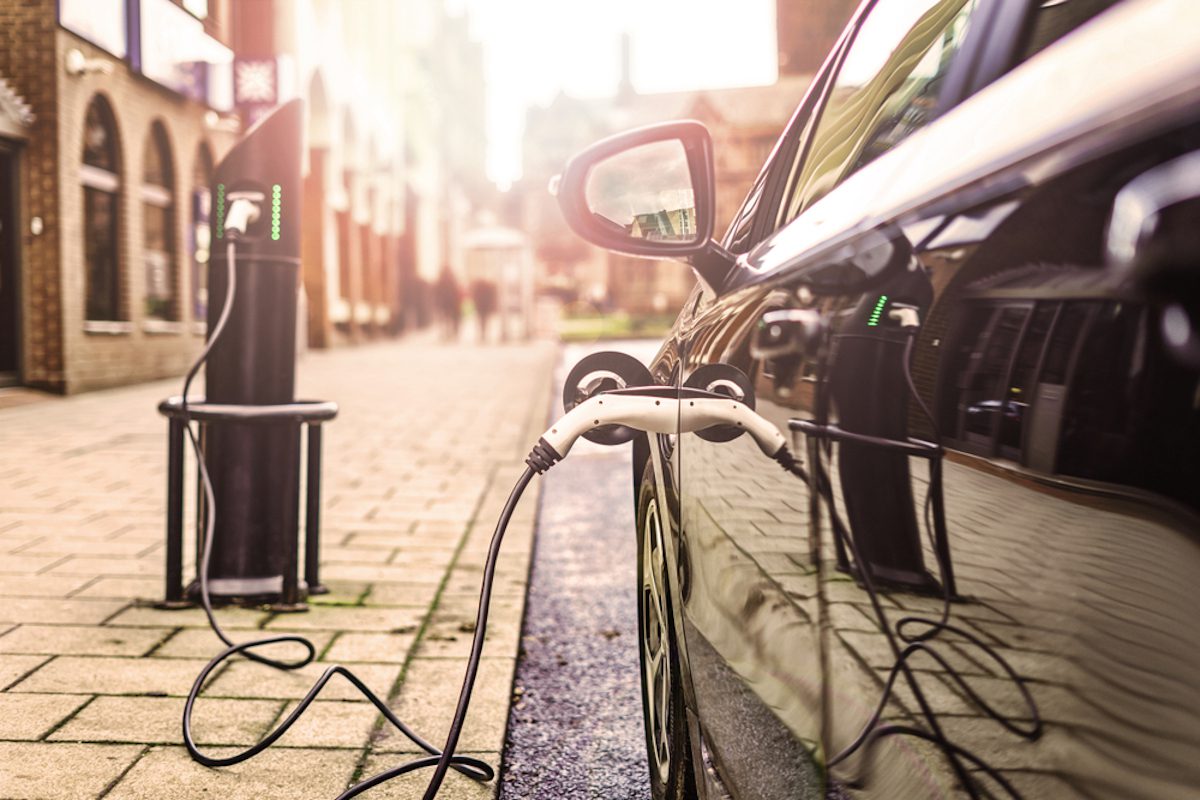
For the EU auditors, only electric vehicles (which jumped from 1 in every 100 new car registrations in 2018 to almost 1 in 7 in 2022) have driven the reduction in average on-the-road CO₂ emissions witnessed in recent years. But the road ahead is bumpy, as the EU faces significant difficulties in accelerating the uptake of electric vehicles.

The first hurdle to overcome is access to raw materials to build enough batteries, as a recent ECA report highlighted. Previously, EU auditors have also expressed concerns about inadequate charging infrastructure: 70 % of all car battery chargers in the EU are concentrated in just three countries (the Netherlands, France and Germany). And lastly, affordability is crucial: given the higher upfront costs of electric cars, consumers may prefer to keep their old polluting vehicles for longer.
ShareTweetSharePinSendShare

Related Articles

Trump signals further US disengagement from global climate cooperation
News

Trump signals further US disengagement from global climate cooperation

January 9, 2026
Western promise: Venezuelan investment hopes meet a battered oil industry
News

Western promise: Venezuelan investment hopes meet a battered oil industry

January 9, 2026
Cold snap drives UK power demand to near seven-year high as interconnector reversals push prices sharply higher
News

Cold snap drives UK power demand to near seven-year high as interconnector reversals push prices sharply higher

January 7, 2026
Microplastics are impairing the oceans’ ability to absorb CO2, says new study
News

Microplastics are impairing the oceans’ ability to absorb CO2, says new study

January 7, 2026
World’s first dynamic green ammonia plant begins operation in Denmark
News

World’s first dynamic green ammonia plant begins operation in Denmark

January 5, 2026
Campaigners highlight a plastic hole in Scottish circularity plans
News

Campaigners highlight a plastic hole in Scottish circularity plans

January 4, 2026

Leave a Reply Cancel reply

Your email address will not be published. Required fields are marked *

Recommended

Google Expands Data Center Investment in Virginia, Doesn’t Share Site Specifics

Google Expands Data Center Investment in Virginia, Doesn’t Share Site Specifics

August 27, 2025
Royal Society of Chemistry calls for Chemicals Agency as report finds ‘regulatory chaos’ across sector

Royal Society of Chemistry calls for Chemicals Agency as report finds ‘regulatory chaos’ across sector

June 5, 2024

Don't miss it

Oil Executives Non-Committal to Trump’s Venezuela Pitch at the White House
Fossil Fuels

Oil Executives Non-Committal to Trump’s Venezuela Pitch at the White House

January 9, 2026
Ocean Warming Breaks Record for Ninth Straight Year
Activism

Ocean Warming Breaks Record for Ninth Straight Year

January 9, 2026
As the Trump Administration Withdraws from Climate Treaties, Legal Scholars Debate Whether—and How—It Can Do So
Climate Change

As the Trump Administration Withdraws from Climate Treaties, Legal Scholars Debate Whether—and How—It Can Do So

January 9, 2026
What Top Climate Scientists Think of Trump’s Treaty Withdrawals
Climate Change

What Top Climate Scientists Think of Trump’s Treaty Withdrawals

January 8, 2026
Outcry Builds Over Trump’s Withdrawal From International, Climate Treaties
Climate Change

Outcry Builds Over Trump’s Withdrawal From International, Climate Treaties

January 8, 2026
Galvanic lead-free oxygen sensor for industrial safety is a world first
Air

Galvanic lead-free oxygen sensor for industrial safety is a world first

January 8, 2026
Environmental Magazine

Environmental Magazine, Latest News, Opinions, Analysis Environmental Magazine. Follow us for more news about Enviroment and climate change from all around the world.

Learn more

Sections

  • Activism
  • Air
  • Climate Change
  • Energy
  • Fossil Fuels
  • News
  • Uncategorized
  • Water

Topics

Activism Air Climate Change Energy Fossil Fuels News Uncategorized Water

Recent News

Oil Executives Non-Committal to Trump’s Venezuela Pitch at the White House

Oil Executives Non-Committal to Trump’s Venezuela Pitch at the White House

January 9, 2026
Ocean Warming Breaks Record for Ninth Straight Year

Ocean Warming Breaks Record for Ninth Straight Year

January 9, 2026

© 2023 Environmental Magazine. All rights reserved.

No Result
View All Result
  • Home
  • News
  • Climate Change
  • Energy
  • Recycling
  • Air
  • Fossil Fuels
  • Water

© 2023 Environmental Magazine. All rights reserved.

This website uses cookies. By continuing to use this website you are giving consent to cookies being used. Visit our Privacy and Cookie Policy.