


A team of researchers say they are showing how biological systems can reshape the way cities deal with polluted soils, offering a glimpse into a future where natural urban infrastructures are greener, cheaper, and more resilient.
The project is being funded by the Industrial Biotechnology Innovation Centre (IBioIC) and the Hydro Nation Chair, following a jointly led Crucible on the Circular Economy in October 2024. The work, which is being led by the University of Strathclyde alongside its partners – Phyona Ltd and Pictish Worms – demonstrates that plants and worms can work together to regenerate contaminated soils inside sustainable urban drainage systems (SuDS).
These systems, designed to mimic natural water flow and protect sewers from storm surges, help to remove contaminants like metals and organic pollutants from stormwater. However, over time, this can cause build-up, making them expensive and carbon‑intensive to clean or replace.
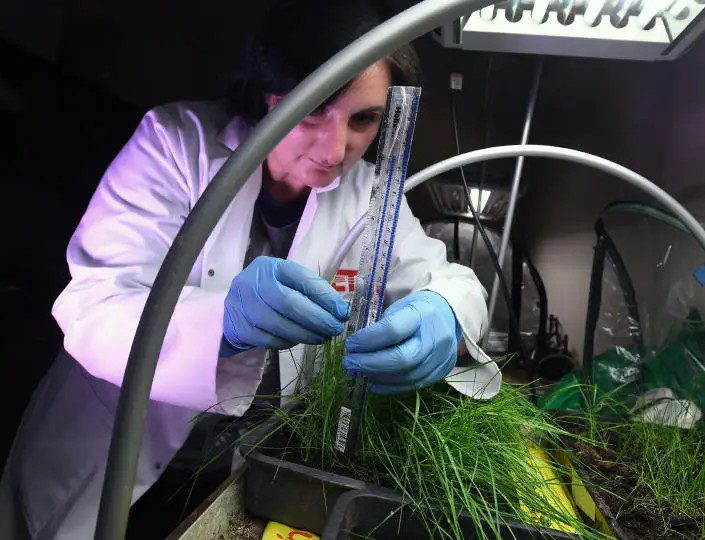
With support from a £15,000 proof‑of‑concept grant, the research team tested a combined approach using phytomining – plants that draw metals from soil supporting decontamination and fostering metal recovery- alongside earthworms that help break down organic pollutants and rebuild soil structure.
The goal was simple – to keep SuDS soils healthier for longer.
The results exceeded expectations as contaminants were removed and soil health improved, demonstrating the potential to turn a passive drainage feature into a self‑restoring system. This low‑impact, low‑cost biological approach could now help avoid the need to excavate and dispose of SuDS at the end of their operational life – a process that’s both expensive and carbon heavy.
Dr Liz Fletcher, director of impact and deputy CEO at IBioIC, commented: “This project is a powerful example of how bio-based solutions can support sustainable development beyond the lab. By applying biological thinking to infrastructure challenges, the team has opened new possibilities for low‑carbon, low‑cost remediation. It’s exciting to see such promising results emerge from an early‑stage concept. The next stage is to work with industry and local authorities to carry out further trials, helping us deepen our research and broaden the impact of our work.”
Professor Vernon Phoenix, lead researcher at the University of Strathclyde, said: “As we install more SuDS systems, we want to ensure they stay healthy and functional for as long as possible. Our work shows that by harnessing natural processes, we have the potential to reduce carbon emissions, cut costs, and create natural infrastructure that stays strong and healthy over time.”
There are climate‑resilience benefits from using them too. As rainfall becomes more intense, SuDS will be essential in protecting cities from flooding. Systems that regenerate themselves rather than degrade over time offer a more robust response to the pressures of a warming climate.
Dr Lorna Anguilano, reader at Brunel University and co‑founder of Phyona Ltd, added: “Some of the most impactful innovations begin with simple biological insights. Living infrastructure won’t replace traditional engineering, but it can complement it. Plants have been regenerating landscapes for millions of years and we’re now just beginning to understand how to work with them.”
The project findings have also arrived at a critical moment for the construction and transport sectors, with both under increasing pressure to meet Environmental, Social and Governance (ESG) commitments and deliver biodiversity net gain. The team believe that soil health is a key foundation of ecological resilience and one of the most overlooked elements of sustainability planning. A nature‑based remediation method that restores soil offers a practical route to meeting regulatory expectations while reducing long‑term maintenance costs.
Scott Baxter, director and owner of Pictish Worms, added: “Working with the research team has shown just how much potential there is in bringing ecological knowledge into mainstream infrastructure projects. The project demonstrated that earthworms can tolerate and remediate high levels of soil contamination and create a biologically rich ecosystem for soil life and plants. Worms offer a regenerative solution that can compete with many conventional methods, and they do it without heavy machinery or chemicals. It’s a reminder that some of the most effective innovations come from looking at nature differently.”
Professor Andrew Tyler, the Scotland Hydro Nation Chair, said: “This project is an excellent example of a scalable low-cost solution to improve the sustainability of SUDS and mitigate the impact society is having on our water and wastewater systems”.