

A Pennsylvania county on Tuesday rejected a plan to rezone land so a data center could be built there, becoming the latest locality to push back against an electricity-hungry industry growing rapidly nationwide.
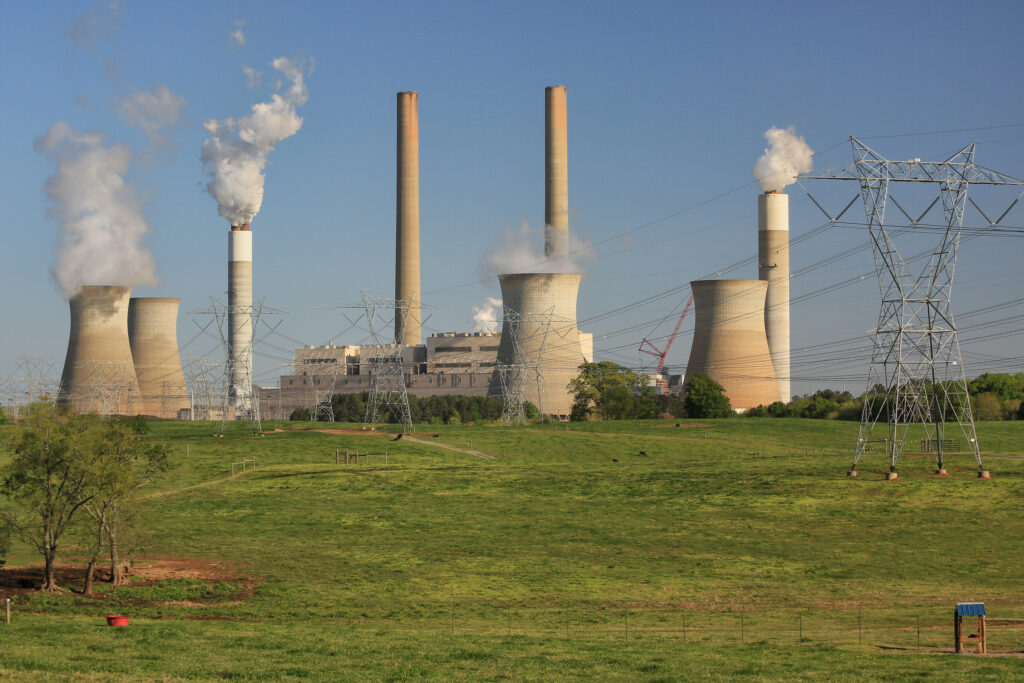
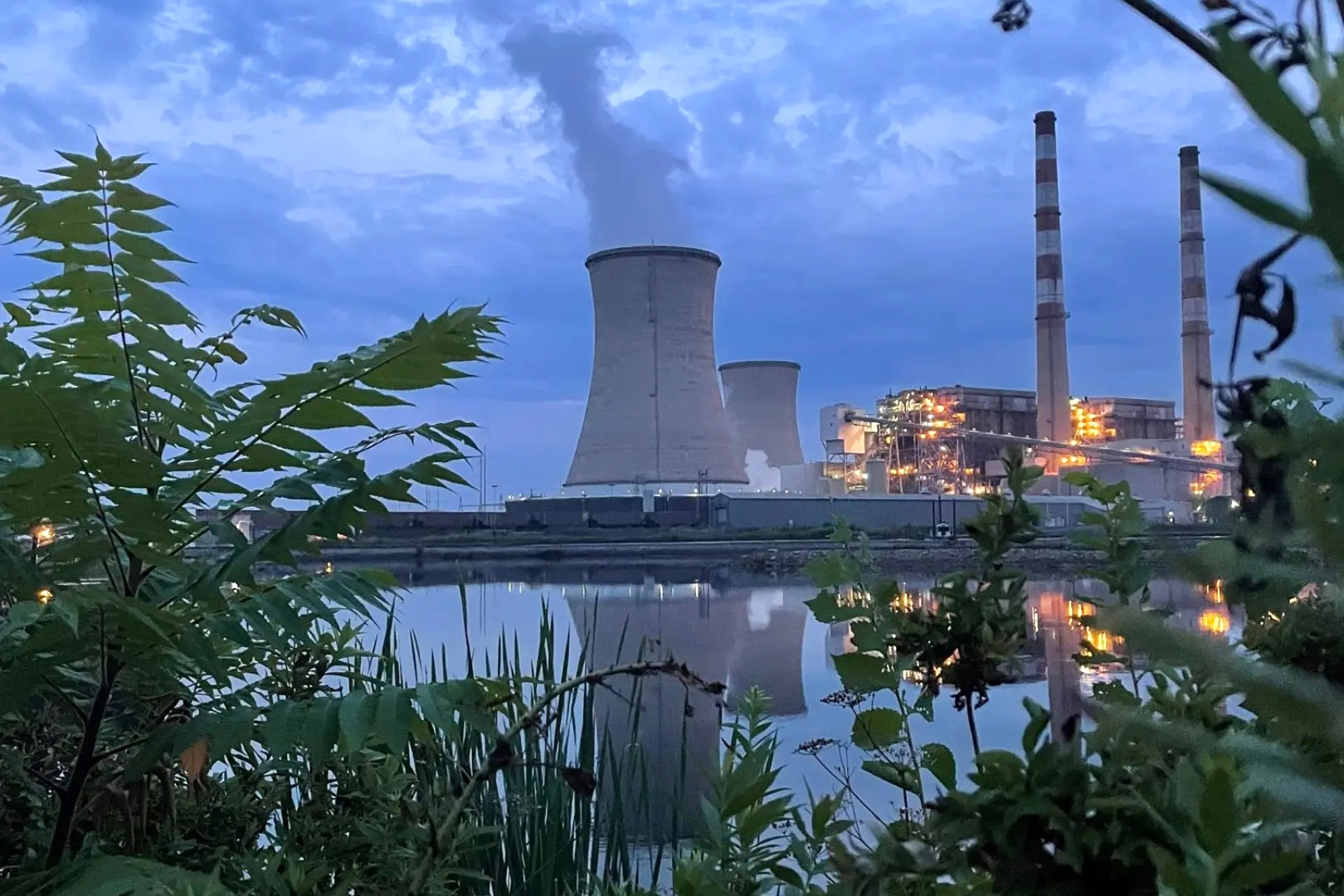
The three commissioners of Montour County in central Pennsylvania unanimously denied the request by Talen Energy to rezone more than 800 acres from agricultural to industrial, a use that would have permitted an application by a data center developer. The rezoning would also have allowed expansion of a coal and gas-fired power plant that would have supplied electricity to electricity to the proposed data center.
Commission chair Rebecca Dressler said the proposed project would not benefit the community as a whole and that Talen had not met its burden of proving why the commission should rezone the land.
“No evidence was provided demonstrating that the benefits outweigh documented and foreseeable public harms,” she said in a statement before the vote that Inside Climate News viewed in a video recorded by a member of the audience.
Talen Energy said it still plans to develop a data center project in Montour County and will listen more closely to community concerns.
“This allows us to take the time to listen, incorporate feedback from the Commissioners, engage with the community, and refine our plans so they reflect local priorities,” the company said in a statement. “We remain committed to pursuing a path forward in Montour County. As we do, we will provide additional detail on how this project can create quality jobs and generate long-term tax revenue to support local schools, public safety, infrastructure, and other essential services.”
The denial surprised and delighted critics, some of whom expected the commissioners to grant the company’s request. Ginny Kerslake, eastern Pennsylvania organizer for the environmental advocacy group Food & Water Watch, called the decision a “David and Goliath” moment for opponents.
“Thanks to the incredible work of a community that tirelessly showed up and spoke out over the past several months, the request to rezone almost 1000 acres of farmland to industrial for a gas power plant expansion and data centers was unanimously denied,” Kerslake wrote on Facebook.
Local Pushback on Data Centers
The commission’s action follows an increasing number of government entities in the U.S. rejecting data center plans, mostly at a county or municipal level, according to Mitch Jones, managing director of policy and litigation at Food & Water Watch. The group has called for a national moratorium on further data center development until the industry’s effects on communities are better studied and understood.
Jones said local opposition to data centers is growing across the country, driven by public concern over rising electricity bills, the centers’ large water use and the health effects of air pollution on people who live nearby.
Two recent examples of successful local opposition to data centers have occurred in Chandler, Arizona, and Naperville, Illinois. But the trend is especially noticeable in Pennsylvania, where local people concerned about the years-long upsurge in fracking for natural gas were primed to organize against the latest boom, Jones said.
“Pennsylvania seems to be a hotspot for it at the moment,” he said. “It does seem that there is growing grassroots opposition in Pennsylvania that is increasingly successful. Because of the fracking boom, a lot of people on the ground in Pennsylvania are more familiar with how to stop industrial projects that they don’t like.”
According to Data Center Watch, an advocacy group that tracks the industry, 20 data center projects were blocked or delayed in the second quarter of 2025, the latest period for which its data was available. That represents a 125 percent increase over a year earlier.
In that period, 53 local groups in 17 states targeted 30 data center projects, two-thirds of which were blocked or delayed, the group said.
Tuesday’s denial “reflected the board members listening and responding to the voices of their constituents,” said Jackson Morris, who studies the state power sector across the country at the nonprofit Natural Resources Defense Council. “The residents of Montour County made pretty clear where they stood on this.”
About This Story
Perhaps you noticed: This story, like all the news we publish, is free to read. That’s because Inside Climate News is a 501c3 nonprofit organization. We do not charge a subscription fee, lock our news behind a paywall, or clutter our website with ads. We make our news on climate and the environment freely available to you and anyone who wants it.
That’s not all. We also share our news for free with scores of other media organizations around the country. Many of them can’t afford to do environmental journalism of their own. We’ve built bureaus from coast to coast to report local stories, collaborate with local newsrooms and co-publish articles so that this vital work is shared as widely as possible.
Two of us launched ICN in 2007. Six years later we earned a Pulitzer Prize for National Reporting, and now we run the oldest and largest dedicated climate newsroom in the nation. We tell the story in all its complexity. We hold polluters accountable. We expose environmental injustice. We debunk misinformation. We scrutinize solutions and inspire action.
Donations from readers like you fund every aspect of what we do. If you don’t already, will you support our ongoing work, our reporting on the biggest crisis facing our planet, and help us reach even more readers in more places?
Please take a moment to make a tax-deductible donation. Every one of them makes a difference.
Thank you,