

Tuesday, February 17, 2026
  • Privacy Policy
  • Contact
  • Terms & Conditions
Environmental Magazine
Advertisement
  • Home
  • News
  • Climate Change
  • Energy
  • Recycling
  • Air
  • Fossil Fuels
  • Water
No Result
View All Result
Environmental Magazine
  • Home
  • News
  • Climate Change
  • Energy
  • Recycling
  • Air
  • Fossil Fuels
  • Water
No Result
View All Result
Environmental Magazine
No Result
View All Result
Home Water

Pathogens which cling to microplastics may survive wastewater treatment

November 8, 2024
in Water
A A

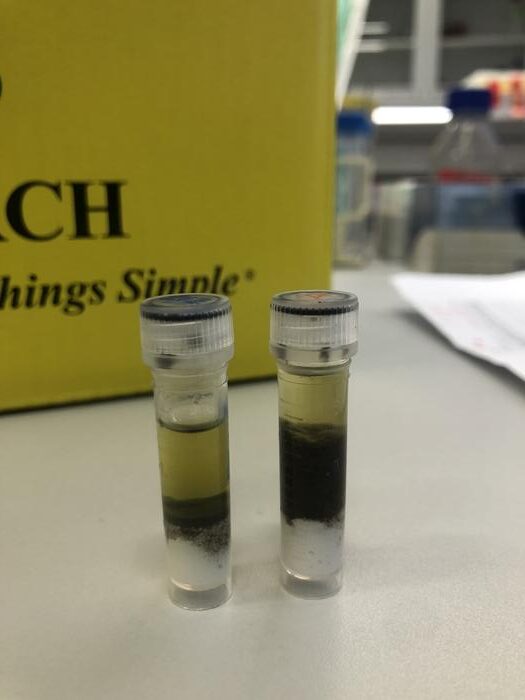
wastewater-samples

Wastewater treatment fails to kill several human pathogens when they hide out on microplastics in the water, reports a new study appearing in the open-access journal PLOS ONE.

Wastewater treatment plants are designed to remove contaminants from wastewater, but microplastics persist and can become colonized by a sticky microbial biofilm. Previous research has suggested that these microbial communities, called plastispheres, include potential pathogens, and thus might pose a risk to human health and the environment when treated wastewater and sludge are released.

In the new study, led by Ingun Lund Witsø of the Norwegian University of Life Sciences, researchers identified food-borne pathogens in plastispheres living on three types of plastic in wastewater. They cultured the microorganisms and used genetic techniques to understand the diversity and members of the plastisphere communities. The team found evidence of pathogenic bacteria and viruses, including Listeria monocytogenes, Escherichia coli, norovirus and adenovirus. They also successfully grew Klebsiella pneumoniae and Acinetobacter spp. from raw and treated wastewater, indicating that the plastisphere biofilms likely protect the pathogens from wastewater treatment.

These findings highlight the potential of plastispheres to harbor and spread pathogens, which poses a challenge to safely reusing wastewater. Without efficient wastewater treatment and plastic waste management, wastewater could act as a vehicle for transferring plastic-associated pathogens into the food chain. The researchers emphasize that continued research and innovation are essential to remove microplastics – and their pathogens – from wastewater.

The authors add: “Plastics in wastewater treatment plants are colonized by microbial biofilms, or “plastispheres,” which can harbor pathogens, including Listeria, E. coli, Klebsiella pneumoniae, and Acinetobacter spp., that persist through treatment processes. This study highlights the potential for plastispheres to contribute to the spread of pathogens from treated wastewater, posing challenges for environmental health and water reuse efforts.”

ShareTweetSharePinSendShare

Related Articles

What the UK Government’s PFAS Plan means for industry
Water

What the UK Government’s PFAS Plan means for industry

February 16, 2026
Project uses plants and worms to regenerate polluted urban soils
Water

Project uses plants and worms to regenerate polluted urban soils

February 16, 2026
Firms join forces to deliver circular water solutions for UK industry
Water

Firms join forces to deliver circular water solutions for UK industry

February 11, 2026
Comment: Why predictive intelligence is non-negotiable for UK water
Water

Comment: Why predictive intelligence is non-negotiable for UK water

January 28, 2026
SEPA asks people in Scotland to help inform future flooding plans
Water

SEPA asks people in Scotland to help inform future flooding plans

January 26, 2026
Environmental monitoring expert listed in Sunday Times 2026 top 100 tech companies
Water

Environmental monitoring expert listed in Sunday Times 2026 top 100 tech companies

January 26, 2026

Leave a Reply Cancel reply

Your email address will not be published. Required fields are marked *

Recommended

UK demonstration of hydrogen storage using LOHCs is a world-first

UK demonstration of hydrogen storage using LOHCs is a world-first

July 23, 2025
Trump Administration Issues Stop Work Order for Offshore Wind Project, Citing National Security Concerns

Trump Administration Issues Stop Work Order for Offshore Wind Project, Citing National Security Concerns

August 25, 2025

Don't miss it

New Jersey’s Balancing Act: Cut Utility Bills Without Derailing Clean Energy
Energy

New Jersey’s Balancing Act: Cut Utility Bills Without Derailing Clean Energy

February 16, 2026
New training course designed for era of environmental robotics
News

New training course designed for era of environmental robotics

February 16, 2026
Texas to Study ‘Batch Zero’ of Data Centers by Late Summer
Energy

Texas to Study ‘Batch Zero’ of Data Centers by Late Summer

February 15, 2026
Michigan Tries a New Legal Tactic Against Big Oil, Alleging Antitrust Violations Aimed at Hobbling EVs and Renewable Energy
Fossil Fuels

Michigan Tries a New Legal Tactic Against Big Oil, Alleging Antitrust Violations Aimed at Hobbling EVs and Renewable Energy

February 15, 2026
China Is Leaving America in the Dust on Clean Energy
Energy

China Is Leaving America in the Dust on Clean Energy

February 14, 2026
The First Casualty of Trump’s Climate Action Repeal: The U.S. EV Transition
Fossil Fuels

The First Casualty of Trump’s Climate Action Repeal: The U.S. EV Transition

February 13, 2026
Environmental Magazine

Environmental Magazine, Latest News, Opinions, Analysis Environmental Magazine. Follow us for more news about Enviroment and climate change from all around the world.

Learn more

Sections

  • Activism
  • Air
  • Climate Change
  • Energy
  • Fossil Fuels
  • News
  • Uncategorized
  • Water

Topics

Activism Air Climate Change Energy Fossil Fuels News Uncategorized Water

Recent News

What the UK Government’s PFAS Plan means for industry

What the UK Government’s PFAS Plan means for industry

February 16, 2026
Project uses plants and worms to regenerate polluted urban soils

Project uses plants and worms to regenerate polluted urban soils

February 16, 2026

© 2023 Environmental Magazine. All rights reserved.

No Result
View All Result
  • Home
  • News
  • Climate Change
  • Energy
  • Recycling
  • Air
  • Fossil Fuels
  • Water

© 2023 Environmental Magazine. All rights reserved.

This website uses cookies. By continuing to use this website you are giving consent to cookies being used. Visit our Privacy and Cookie Policy.