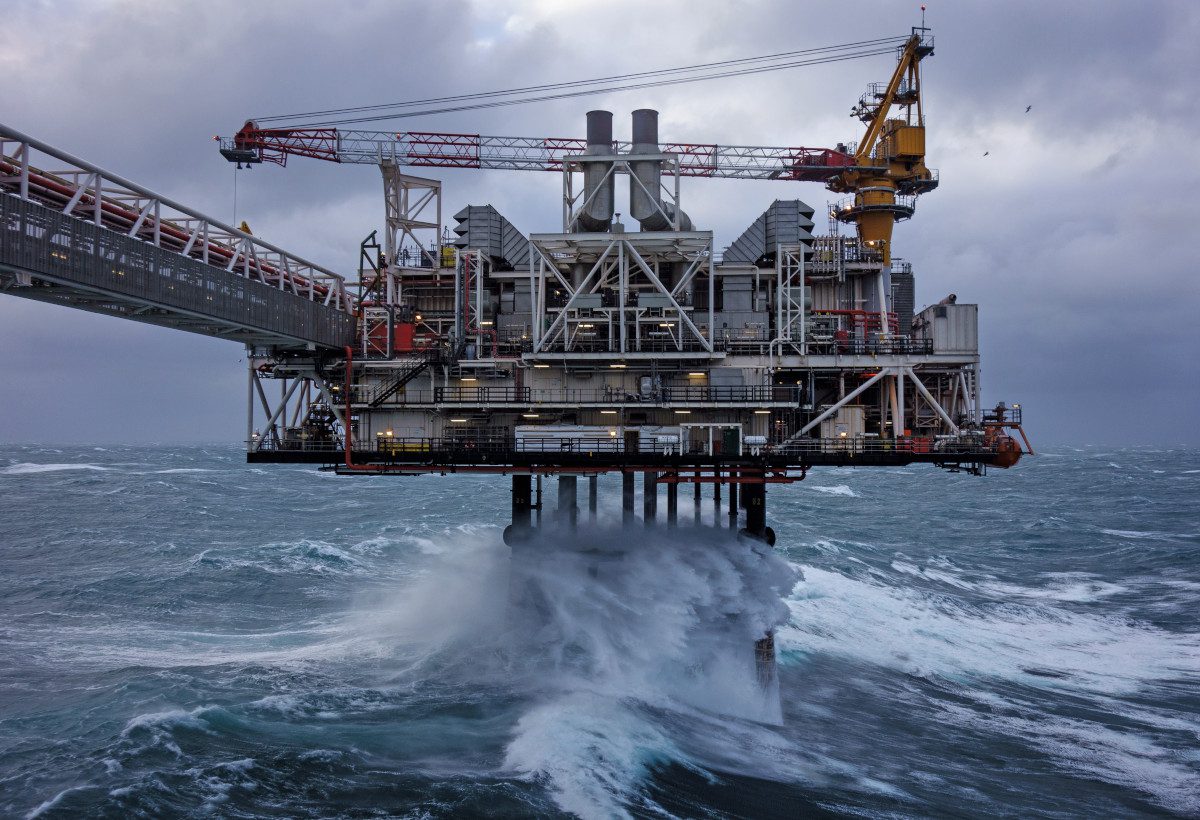


As freezing temperatures swept over West Texas last week, leaky pipeline systems in the Permian Basin of West Texas began to suck in air, spoiling their products, risking an explosion and leading operators to release or burn off vast volumes of gas.
Chevron, for example, reported 11 large gas releases as it sought to purge oxygen from its tanks, according to filings with the Texas Commission on Environmental Quality. Chevron estimated that it released more than 125,000 pounds of regulated pollutants in incidents during the storm. In some cases, Chevron’s tank hatches “remained frozen open,” allowing gas to vent freely for days at a time.
All of the incidents were “directly related to the severe winter weather disaster proclaimed by Texas Governor Greg Abbott,” the company wrote in its reports. In a statement to Inside Climate News, a Chevron spokesperson said the company followed its “winter weather action plans to enable safe, reliable and sustainable operations,” and that safety is its top priority.
At the TCEQ, Texas’ environmental regulator, Abbott’s declaration on Thursday, Jan. 22, activated a policy called “enforcement discretion,” under which authorities could choose to excuse infractions of environmental law, given the circumstance, as long as operators report them diligently.
Inside Climate News tallied reports of air emission events reported by industrial facilities—mostly oil, gas and petrochemical operations—posted on the TCEQ’s website. In the month of January prior to the storm, there were an average of 3.4 incidents per day. But in the four days from Jan. 23 to Jan. 26, that rose to a daily average of 14.2.
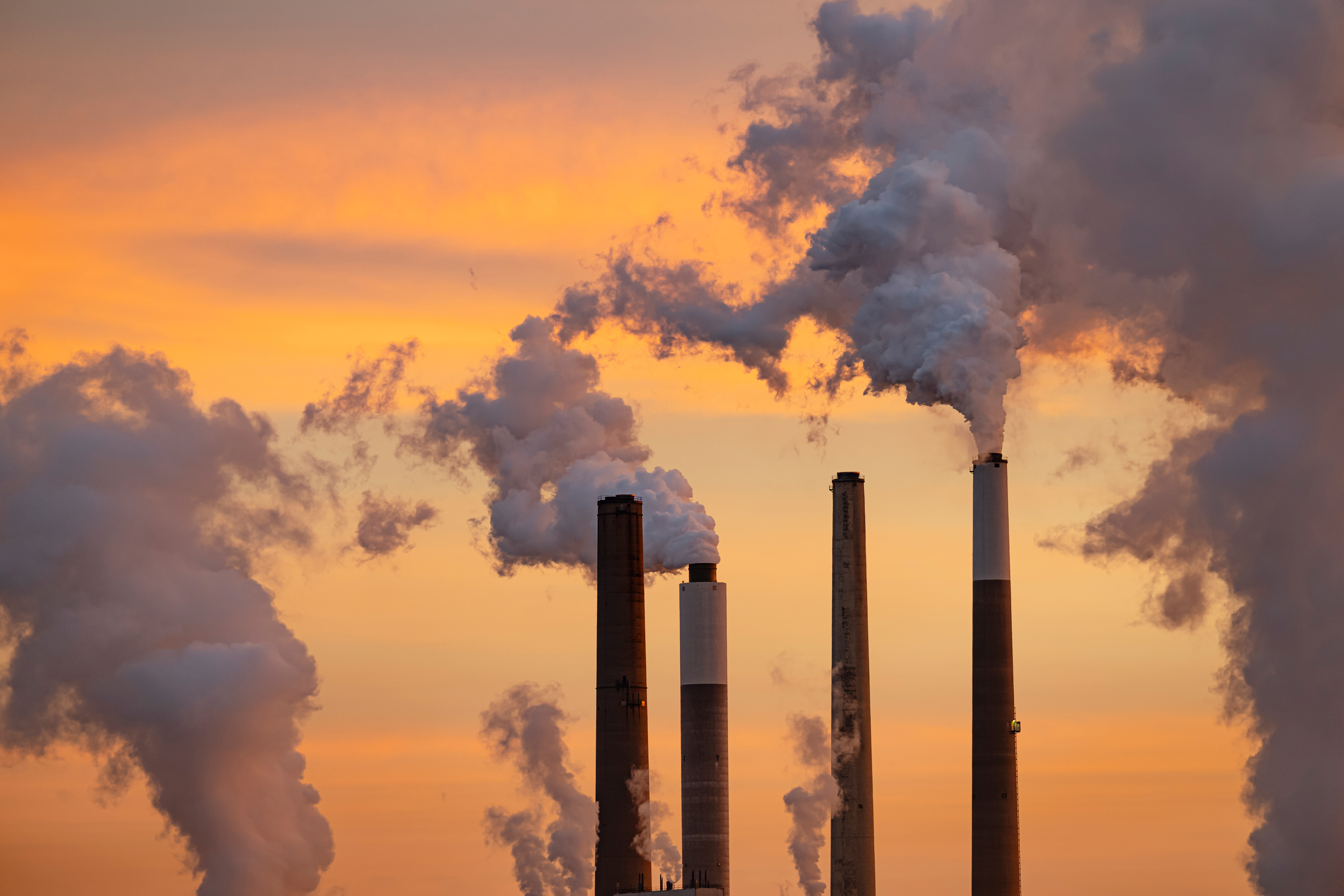
In total, companies estimated that about 1.6 million pounds of regulated pollutants were released during the four days of icy weather, as valves failed, units tripped and pipe connectors began to leak, according to the Inside Climate News analysis. (This figure does not include releases of methane and ethane, which are not regulated and so are not reported.) The TCEQ did not respond to a request for comment.
“These kinds of emission events happen year-round in Texas, but extreme weather makes a bad problem much worse,” said Luke Metzger, executive director of Environment Texas, which has issued reports on weather-related industrial emissions.
While Texas enacted requirements for power plants to winterize in 2021, following a catastrophic winter storm, the rules don’t apply to gas-processing plants—enormous complexes that refine raw gas before it is piped to power stations, chemical plants and export terminals.
“The fix isn’t mysterious,” Metzger said. “Require full weatherization across the entire energy and industrial supply chain, enforce pollution limits during upset events and plan for extreme weather as the new normal.”
As the winter storm began to creep over Texas last week, companies in the Permian Basin first detected high oxygen levels in gas early Friday, Jan. 25. Targa Resources, a supplier of petrochemical feedstocks, reported “oxygen levels exceeding the maximum allowable limits” at its Legacy Gas Plant at 5 p.m.
“You don’t want high amounts of oxygen anywhere near hydrocarbons,” said an oil and gas consultant who requested anonymity to maintain trust with his clients. “They’re prioritizing safety,” he said, explaining why operators would vent or flare gas when oxygen starts to build up.
Oxygen can enter a system during a freeze, he said. Freezing temperatures and moisture affect equipment operation in ways that can lead to the entry of air into systems connected to natural gas feed, or “oxygen ingress.” It’s particularly problematic in regions where infrastructure is not designed to withstand freezing weather conditions.
“Most pieces of oil and gas infrastructure in Texas are not designed to handle freezes like this. A lot of things can happen,” said the consultant, who formerly worked for a large U.S. oil company. “Anything that allows oxygen ingress ultimately will allow levels that aren’t acceptable for sale and introduce unacceptable safety risk.”
In response to high oxygen levels, Targa, an integrated gas conglomerate based in Houston, routed the gas from its Legacy Gas Plant in the Permian Basin to flares to be burnt off for disposal. At 10:30 p.m. Targa measured elevated oxygen at its Greenwood Gas Plant and routed gas to its flares.
One hour later, Targa did the same at its nearby Pembrook Compressor Station, then 13 minutes later at its Buffalo Gas Plant, then at its High Plains Gas Plant, then its Gateway Gas Plant.
Throughout the weekend, a dozen Targa facilities in west Texas burned off gas for up to 24 hours each. In its reports to TCEQ, Targa estimated its flares collectively emitted more than 240,000 pounds of carbon monoxide and 35,000 pounds of nitrogen oxides. Targa did not respond to a request for comment.
“The oil and gas industry is too fragile to handle the extreme weather. These releases happen during the extreme summer weather, too.”
— Sharon Wilson, founder of Oilfield Witness
Gas giant Energy Transfer, based in Dallas, also reported flaring for up to 24 hours at six of its Permian Basin processing plants due to high oxygen levels with 25,000 pounds of nitrogen oxide emissions.
When an Anadarko E&P Onshore tank broke and started leaking in west Texas on Jan. 25, the Woodlands-based company wrote, “We are working to find a crew to repair it today, but weather conditions make it challenging.” The leak remained for 24 hours and released 39,000 pounds of regulated natural gas pollutants, the company reported. The unregulated methane that accompanied those pollutants likely totaled up to 117,000 pounds, according to Permian Basin gas composition data provided by the Environmental Defense Fund.
“The oil and gas industry is too fragile to handle the extreme weather,” said Sharon Wilson, founder of the nonprofit Oilfield Witness, who has monitored oilfield emissions for 15 years. “These releases happen during the extreme summer weather, too.”
A heatwave in 2023 also caused breakdowns and emissions throughout Permian Basin gas supply chains, according to reporting from Inside Climate News.
Many emissions are never reported, she said. A certified thermographer with a $100,000 gas imaging camera, she records air pollution events in the Permian Basin. Of all the times she has videoed operators purging gas from pipelines, she said, none ever appeared as reports online.
“I am confident that for each reported outage, there are cascading failures across the supply chain going unreported,” said Wilson, a 70-year-old former oil industry office worker, speaking from her car on her way to the Permian Basin.
Refineries
Last weekend and early in the week, the cold moved east from the arid oilfields of Texas to the sprawling coastal complexes of refineries and chemical plants that process fossil fuels into consumer products.
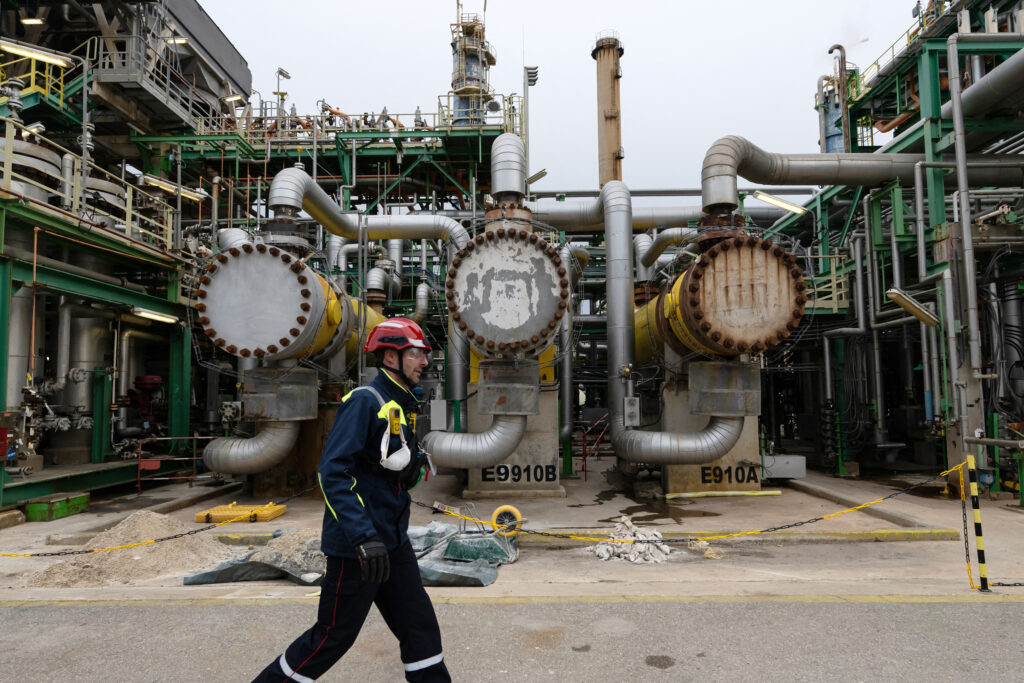
Around midnight Monday, compressors tripped at Deer Park Oil Refinery east of Houston. “Some of the refinery systems suffered freeze-related issues,” it reported. The facility flared gas for 14 hours, releasing an estimated 52,000 pounds of sulfur dioxide.
At 1 a.m., a compressor tripped at Equistar Chemicals Channelview Complex, and at 7 a.m. Dow Freeport reported: “Process upset caused by extreme freezing conditions which resulted in off-specification material.” Dow directed the material to its large flare and burned it off for 25 hours.
This story is funded by readers like you.
Our nonprofit newsroom provides award-winning climate coverage free of charge and advertising. We rely on donations from readers like you to keep going. Please donate now to support our work.
Donate Now
Bayport Polymers’ warning system, on the Houston ship channel, tripped at 11:30 a.m. and routed gas to its ground flare for 48 hours, emitting 190,000 pounds of carbon monoxide, 48,000 pounds of nitrogen oxides, 380 pounds of 1,3-butadiene and 200 pounds of toluene.
In east Texas, at 1:30 p.m., a stuck valve at a VMH gas plant released almost 130,000 pounds of the neurotoxin hexane. Later that night in Port Arthur, on the Louisiana border, a compressor tripped at a Motiva refinery, so the unit’s gas was flared for 18 hours, emitting 230,000 pounds of sulfur dioxide, 12,000 pounds of hexane and 3,200 pounds of isopentane.
“These weather-related emissions are not isolated occurrences,” said Adrian Shelley, Texas director of Public Citizen, in a press release about the free emissions last week. ”As extreme weather becomes more frequent and intense, Public Citizen continues to call for stricter rules that reduce preventable pollution.”
About This Story
Perhaps you noticed: This story, like all the news we publish, is free to read. That’s because Inside Climate News is a 501c3 nonprofit organization. We do not charge a subscription fee, lock our news behind a paywall, or clutter our website with ads. We make our news on climate and the environment freely available to you and anyone who wants it.
That’s not all. We also share our news for free with scores of other media organizations around the country. Many of them can’t afford to do environmental journalism of their own. We’ve built bureaus from coast to coast to report local stories, collaborate with local newsrooms and co-publish articles so that this vital work is shared as widely as possible.
Two of us launched ICN in 2007. Six years later we earned a Pulitzer Prize for National Reporting, and now we run the oldest and largest dedicated climate newsroom in the nation. We tell the story in all its complexity. We hold polluters accountable. We expose environmental injustice. We debunk misinformation. We scrutinize solutions and inspire action.
Donations from readers like you fund every aspect of what we do. If you don’t already, will you support our ongoing work, our reporting on the biggest crisis facing our planet, and help us reach even more readers in more places?
Please take a moment to make a tax-deductible donation. Every one of them makes a difference.
Thank you,

Dylan Baddour
Reporter, Austin
Dylan Baddour covers the energy sector and environmental justice in Texas. Born in Houston, he’s worked the business desk at the Houston Chronicle, covered the U.S.-Mexico border for international outlets and reported for several years from Colombia for media like The Washington Post, BBC News and The Atlantic. He also spent two years investigating armed groups in Latin America for the global security department at Facebook before returning to Texas journalism. Baddour holds bachelor’s degrees in journalism and Latin American studies from the University of Texas at Austin. He has lived in Argentina, Kazakhstan and Colombia and speaks fluent Spanish.

Peter Aldhous
Data Journalist
Peter Aldhous is a science and data reporter based in San Francisco. He got his break in journalism in 1989 as a reporter for Nature in London, fresh from a Ph.D. in animal behavior. Later he worked as European correspondent for Science, news editor for New Scientist and chief news & features editor with Nature, before moving to California in 2005 to become New Scientist’s San Francisco bureau chief. From 2015 to 2022 he worked on the science desk at BuzzFeed News. Peter also teaches investigative and policy reporting, data visualization, and news features writing in the Science Communication Program at the University of California, Santa Cruz. He is a two-time winner in the Global Editors Network Data Journalism Awards. His reporting has also been honored by the Association of British Science Writers, the Association of Health Care Journalists, the Society of Environmental Journalists, and the Royal Statistical Society.