

President Donald Trump’s meeting with oil industry executives was high on praise for Trump and his actions in Venezuela, but low on commitments from U.S. oil majors to invest the billions of dollars it would take to revive the country’s foundering oil industry.
Less than a week after a U.S. military operation captured and arrested the president of Venezuela, Trump met with executives from many of the top oil companies in the world Friday to discuss what to do with the country’s huge oil reserves.
Nearly two dozen oil industry CEOs attended Friday’s meeting with Trump, Vice President J.D. Vance, Secretary of State Marco Rubio, Energy Secretary Chris Wright and Interior Secretary Doug Burgum.
“We’re going to discuss how these great American companies can help rapidly rebuild Venezuela’s dilapidated oil industry and bring millions of barrels in oil production to benefit the United States, the people of Venezuela and the entire world,” Trump said to begin the meeting.
“We’re going to be working with Venezuela, we’re going to be making the decision as to which oil companies are going to go in, that we’re going to allow to go in,” Trump said. “We’re gonna cut a deal with companies. We’ll probably do that today or very shortly thereafter.”
Trump pitched Venezuela as an opportunity for companies to profit, saying that the companies would have “total security.”
The oil company executives were less enthused.
“If we look at the legal and commercial constructs and frameworks in place today in Venezuela today, it’s uninvestable,” Exxon CEO Darren Woods said in the meeting. “And so significant changes have to be made to those commercial frameworks, the legal system. There has to be durable investment protections, and there has to be a change to the hydrocarbon laws in the country.”
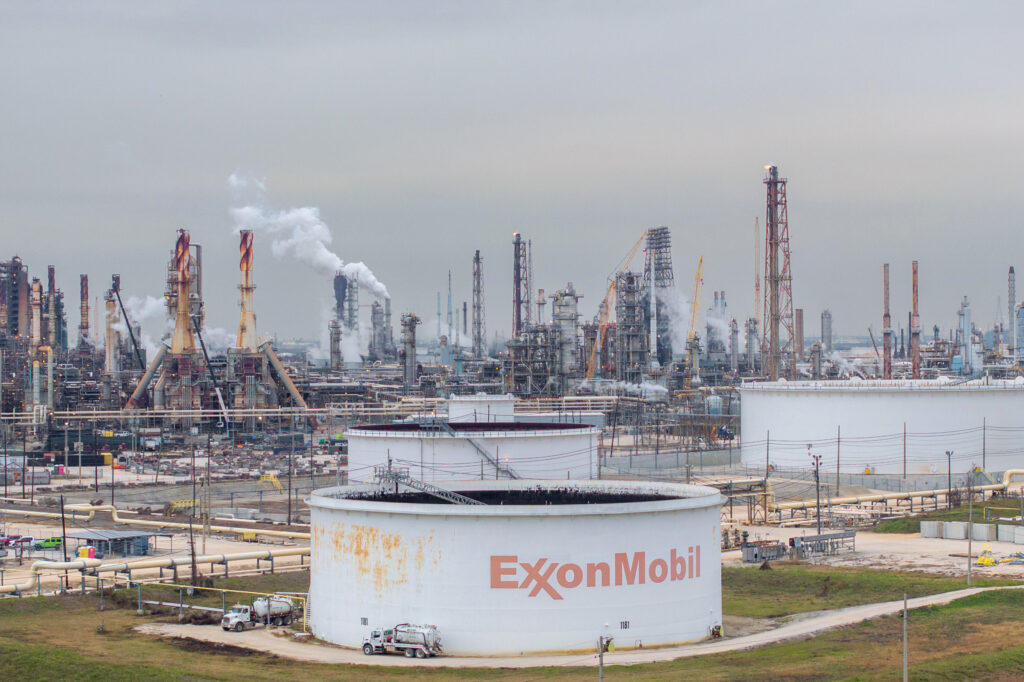
Woods said the company had its assets in Venezuela seized twice, losing billions, and that the company takes a decades-long view when choosing to enter a country.
“The investments that we make span decades and decades,” Woods said. “So we do not go into any opportunity with a short mindset, short-term mindset. There’s a value proposition that we have to meet.”
But Woods also did not rule out Exxon’s return to Venezuela, saying he believed the necessary changes could be made and that it would be “absolutely critical” to get a technical team in the country to better assess the situation.
“We’re confident that with this administration and President Trump, working hand in hand with the Venezuelan government, that those changes can be put in place,” he said.
Executives from Chevron, Exxon, Conoco Phillips, Continental, Halliburton, HKN, Valero, Marathon, Shell, Trafigura, Vitol Americas, Repsol, Eni, Aspect Holdings, Tallgrass, Raisa Energy and Hilcorp were expected to attend the meeting, which was live streamed with the press corps in attendance.
Venezuela holds the largest known oil reserve in the world at an estimated 303 billion barrels, but getting companies to make the investments to get the oil may be a tough sell.
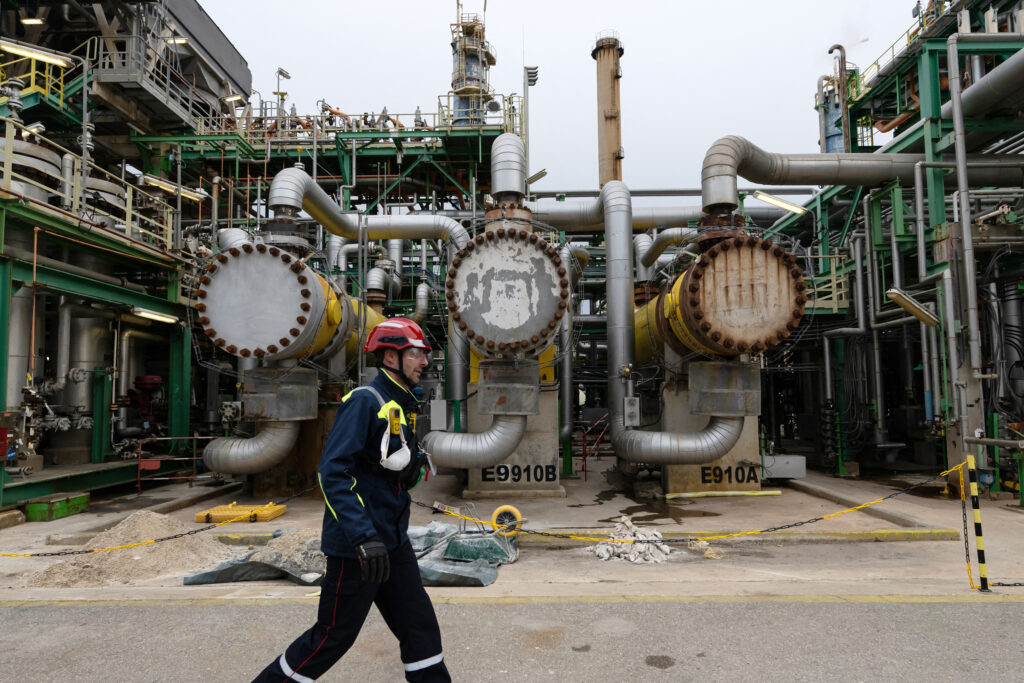
Oil companies are reported to be wary of operating in Venezuela, after companies had their assets seized in 2007 when then-President Hugo Chavez nationalized the country’s oil industry. Since then much of the oil infrastructure in the country has fallen into disrepair, and the workforce fled.
Energy consulting firm Rystad Energy estimated it would take “at least $30 to $35 billion” in capital over the next two to three years to return Venezuela to its pre-Chavez level of production, and $184 billion over the next 14 years.
Trump has said he wants oil companies to invest $100 billion toward the effort.
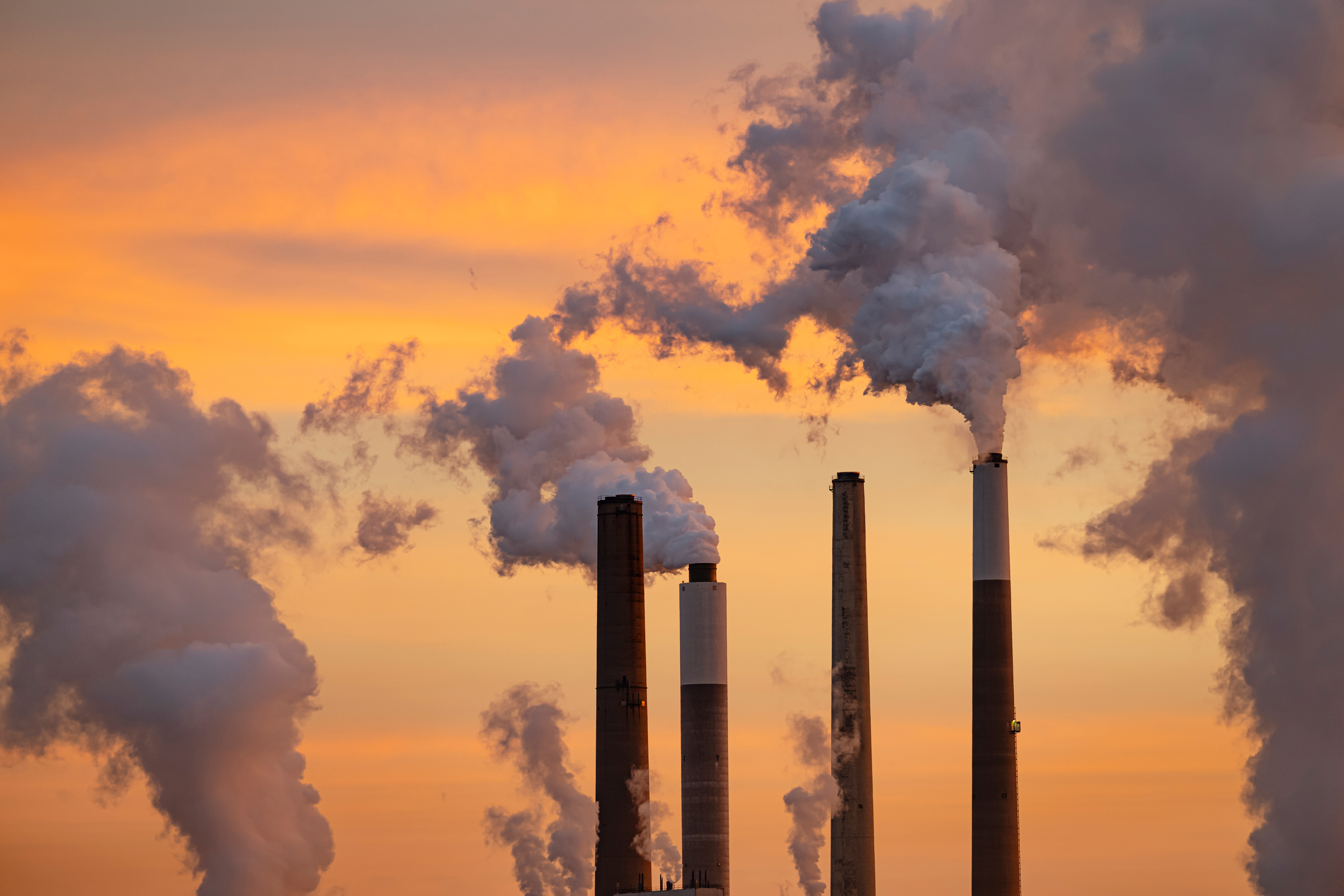
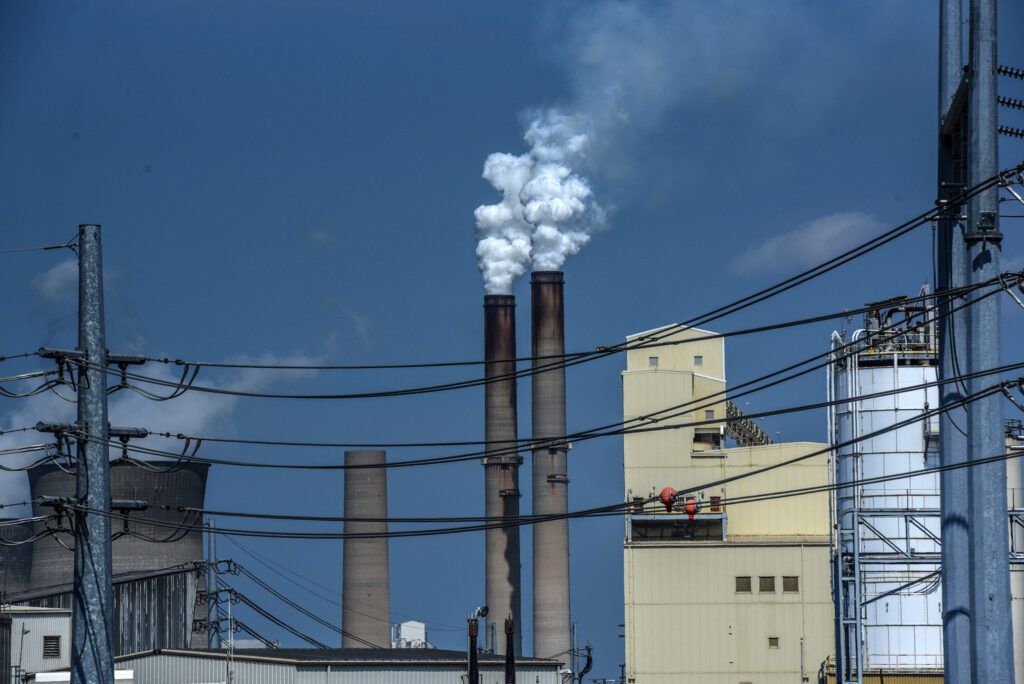
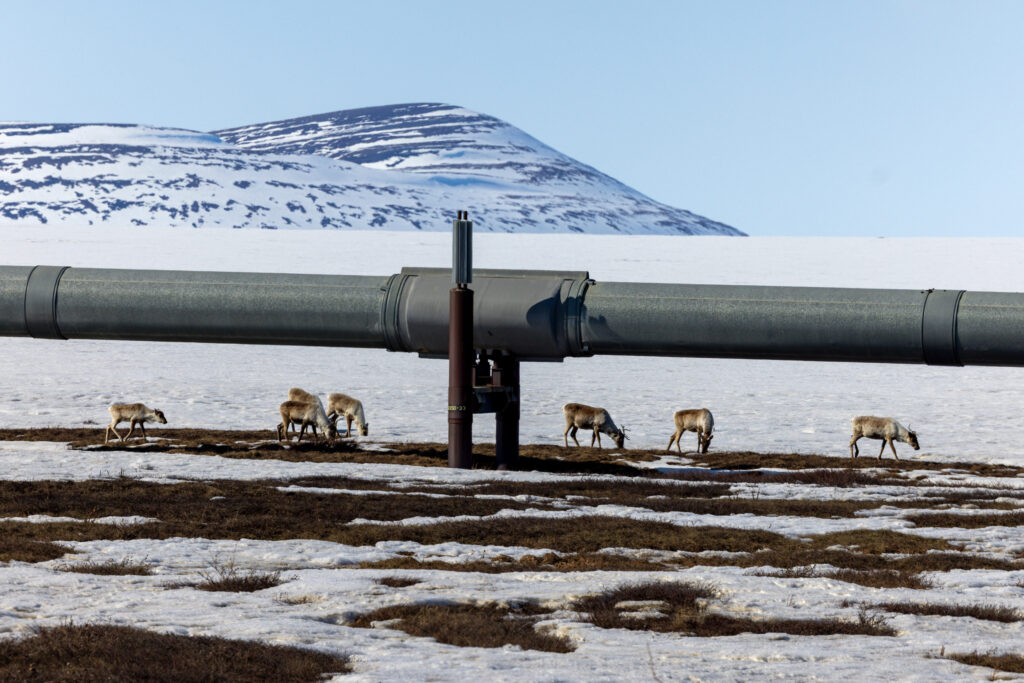
There would be heavy environmental costs as well. Trump himself has called Venezuelan oil some of the “dirtiest, worst oil” in the world. Described as “extra-heavy crude,” Venezuela’s oil is a tar-like substance that must be heated to bring it to the surface and mixed with chemicals to be transported in pipelines. An analysis by clean energy nonprofit RMI found Venezuela’s oil to produce more greenhouse gas emissions per barrel than that of the other 54 leading oil-producing nations in 2024.
The heavy crude, like Canadian tar sands oil, requires additional refining because of its poor quality, further increasing the energy needed to turn it into a usable product.
That refining would likely take place in Black communities in Texas and Louisiana where the populations are already heavily impacted by the oil industry.
A spokesperson for the American Petroleum Institute, a trade group representing U.S. oil and gas industry interests, said the industry welcomed the collaboration with the White House, but said investment decisions would be made by individual companies.
“Our industry welcomes the President’s invitation to discuss how American energy leadership, global markets, and developments in Venezuela intersect,” the spokesperson said in an email. “As always, our role is to share industry expertise and perspective, while any investment decisions are made independently by individual companies and depend on fundamental conditions such as security, the rule of law, market factors, and stable governance.”
Trump posted to social media Friday that a “very big factor in this involvement will be the reduction of Oil Prices for the American People.”
But crude oil prices are already as low as they’ve been since early 2021, according to the U.S. Energy Information Administration. The EIA states that in 2025, there was more supply in the global crude oil market than demand.
About This Story
Perhaps you noticed: This story, like all the news we publish, is free to read. That’s because Inside Climate News is a 501c3 nonprofit organization. We do not charge a subscription fee, lock our news behind a paywall, or clutter our website with ads. We make our news on climate and the environment freely available to you and anyone who wants it.
That’s not all. We also share our news for free with scores of other media organizations around the country. Many of them can’t afford to do environmental journalism of their own. We’ve built bureaus from coast to coast to report local stories, collaborate with local newsrooms and co-publish articles so that this vital work is shared as widely as possible.
Two of us launched ICN in 2007. Six years later we earned a Pulitzer Prize for National Reporting, and now we run the oldest and largest dedicated climate newsroom in the nation. We tell the story in all its complexity. We hold polluters accountable. We expose environmental injustice. We debunk misinformation. We scrutinize solutions and inspire action.
Donations from readers like you fund every aspect of what we do. If you don’t already, will you support our ongoing work, our reporting on the biggest crisis facing our planet, and help us reach even more readers in more places?
Please take a moment to make a tax-deductible donation. Every one of them makes a difference.
Thank you,

Dennis Pillion
Reporter, Alabama
Dennis Pillion is a reporter for Inside Climate News based in Alabama. He joined ICN in 2024 after 17 years working for Alabama Media Group, including nine as the statewide natural resources reporter. His work for AL.com and The Birmingham News, won numerous Green Eyeshade and Alabama Press Association awards for his coverage of environmental issues in Alabama. He was born and lives in Birmingham, Ala.