

Wednesday, January 7, 2026
  • Privacy Policy
  • Contact
  • Terms & Conditions
Environmental Magazine
Advertisement
  • Home
  • News
  • Climate Change
  • Energy
  • Recycling
  • Air
  • Fossil Fuels
  • Water
No Result
View All Result
Environmental Magazine
  • Home
  • News
  • Climate Change
  • Energy
  • Recycling
  • Air
  • Fossil Fuels
  • Water
No Result
View All Result
Environmental Magazine
No Result
View All Result
Home Water

New tech for removal of multiple pharmaceuticals from wastewater

April 16, 2024
in Water
A A

This article contains paid for content produced in collaboration with Arvia Technology.

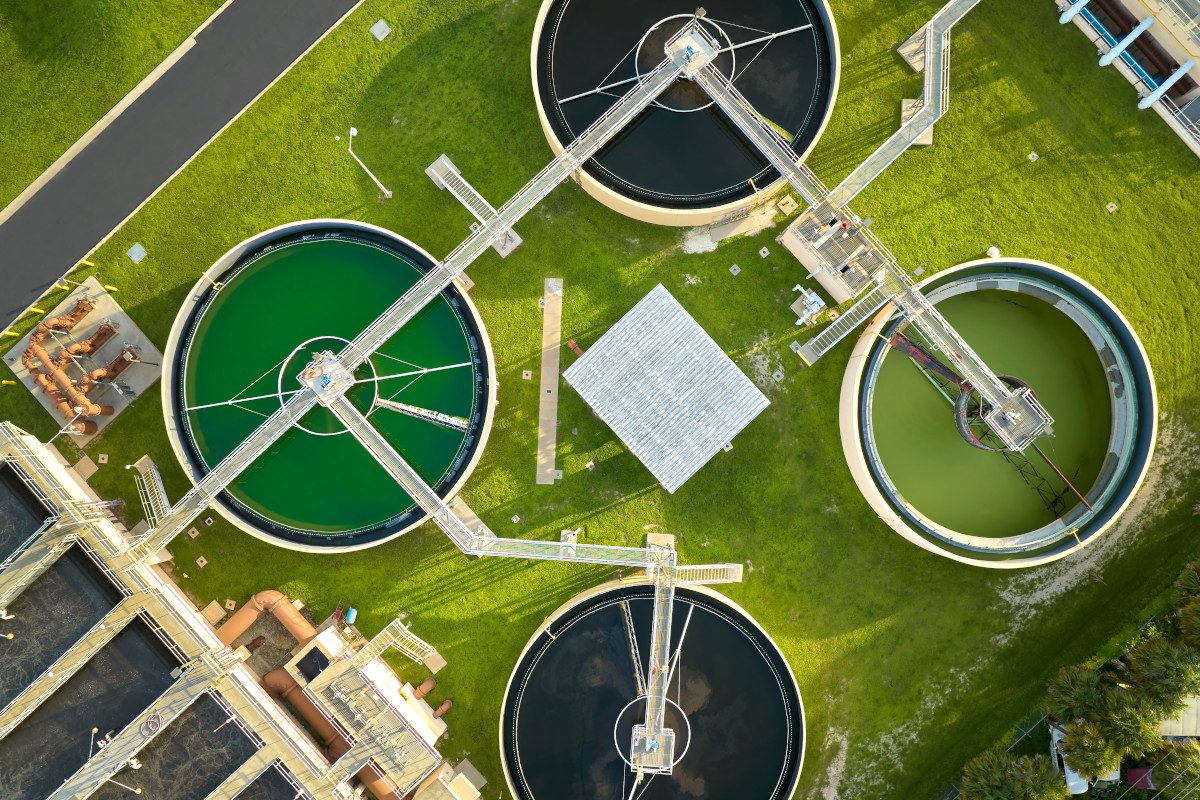
Active Pharmaceutical Ingredients (APIs) are notoriously difficult to remove from wastewater. Traditional water treatment systems do not easily remove APIs from water, so pharmaceutical companies often have to resort to high-cost incineration instead.

Client: Global Pharmaceutical Company

A well-known pharma company approached Arvia because of the exact scenario above. The current disposal solution was incineration but they wanted to find a better solution which was not as costly, either financially or to the environment.

Problem: To reduce four APIs to PNEC levels

The pharma giant needed to remove four APIs: ibrutinib, topiramate, rilpivirine (TMC278) and paliperidone palmitate. All four APIs had to be reduced to below PNEC levels (Predicted No-Effect Concentration). No traditional water treatment systems were able to do this, so the pharma company had to look at new technology.

Solution

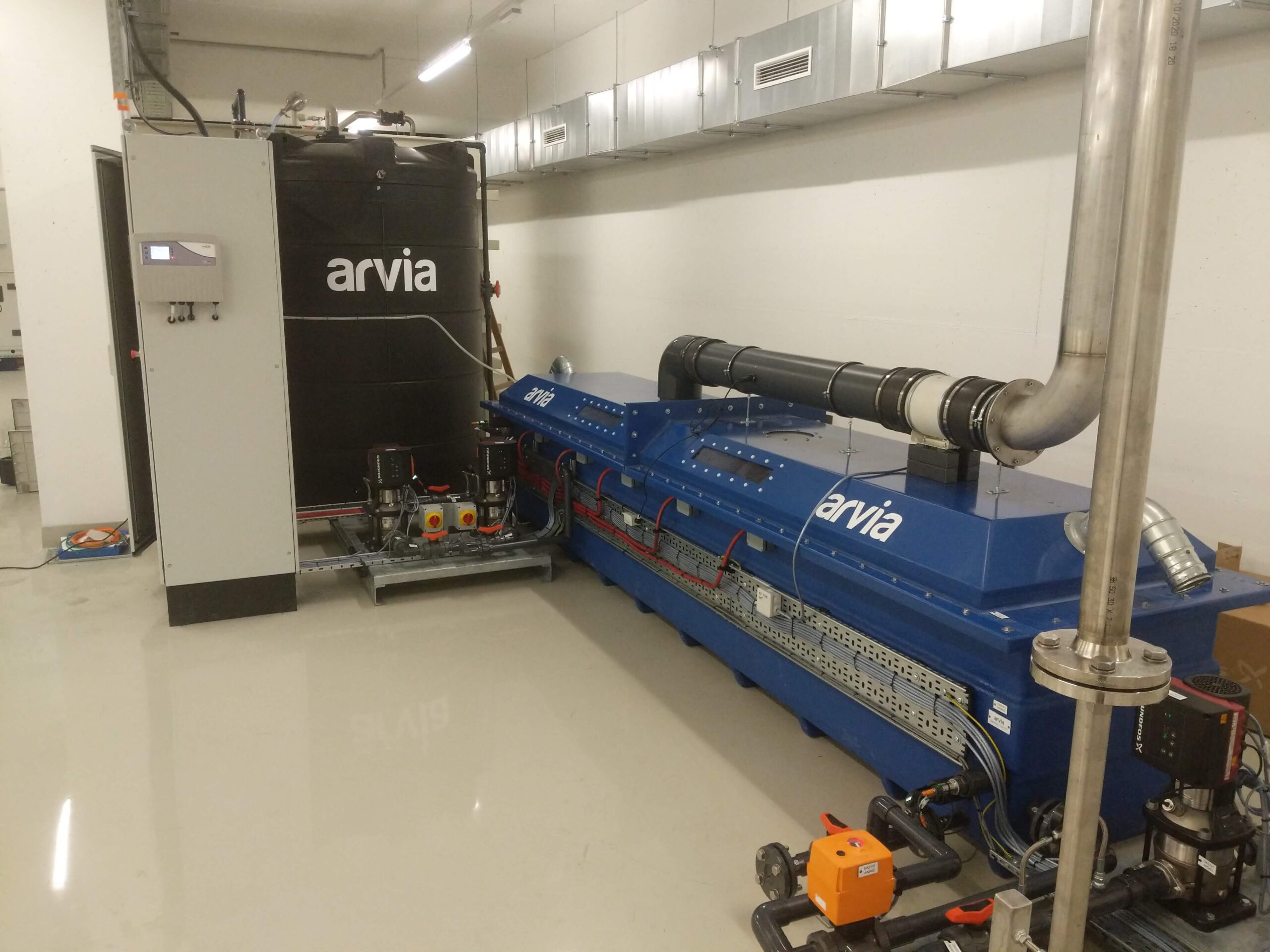
Arvia Technology specialises in electrochemical oxidation for removal of persistent organic compounds from industrial wastewater. The range is called Nyex, and they are all based on a super-efficient electrochemical oxidation process, either with or without an integral adsorption process in the same unit.

For this project, the Nyex Ellenox was chosen. To see how this works, see the below short animation, and for a description of the product see: https://arviatechnology.com/water-treatment-products/nyex-ellenox/.

Result

The PNEC values required for the four APIs were:

  • Topiramate 1000μg/L
  • Ibrutinib 1.55μg/L
  • Ripilvirine 0μg/L
  • Paliperidone palmitate 250 μg/L

Nyex Ellenox was shown to remove all four APIs to below the required PNEC levels which meant the pharma company could avoid the costs of incineration.

Arvia’s CEO, Simon Gatcliffe said, “Our client had budgeted for 1000 tonnes per year to be incinerated, which equates to about 460,000 Euros. Our solution represents a very strong ROI.”

ShareTweetSharePinSendShare

Related Articles

Whose pollution is it anyway? Project will use bacteriophages to point the finger
Water

Whose pollution is it anyway? Project will use bacteriophages to point the finger

January 5, 2026
Cleaning up PFAS with PFAS will backfire, warn scientists
Water

Cleaning up PFAS with PFAS will backfire, warn scientists

January 5, 2026
Water Jetting Association streamlines membership structure
Water

Water Jetting Association streamlines membership structure

December 17, 2025
Dundee-based greywater recycling startup secures £350k
Water

Dundee-based greywater recycling startup secures £350k

December 15, 2025
Using bacteria to create valuable materials from sludge: New funding announced in the Netherlands
Water

Using bacteria to create valuable materials from sludge: New funding announced in the Netherlands

December 15, 2025
Study shows promise for acid mine drainage recycling
Water

Study shows promise for acid mine drainage recycling

December 11, 2025

Leave a Reply Cancel reply

Your email address will not be published. Required fields are marked *

Recommended

Scientists’ Letter Urges Brazil’s President Lula to Reject New Amazon and Offshore Drilling

Scientists’ Letter Urges Brazil’s President Lula to Reject New Amazon and Offshore Drilling

June 21, 2025
Loss and Damage fund pledges are standout of day one of COP28

Loss and Damage fund pledges are standout of day one of COP28

December 21, 2023

Don't miss it

Cold snap drives UK power demand to near seven-year high as interconnector reversals push prices sharply higher
News

Cold snap drives UK power demand to near seven-year high as interconnector reversals push prices sharply higher

January 7, 2026
Microplastics are impairing the oceans’ ability to absorb CO2, says new study
News

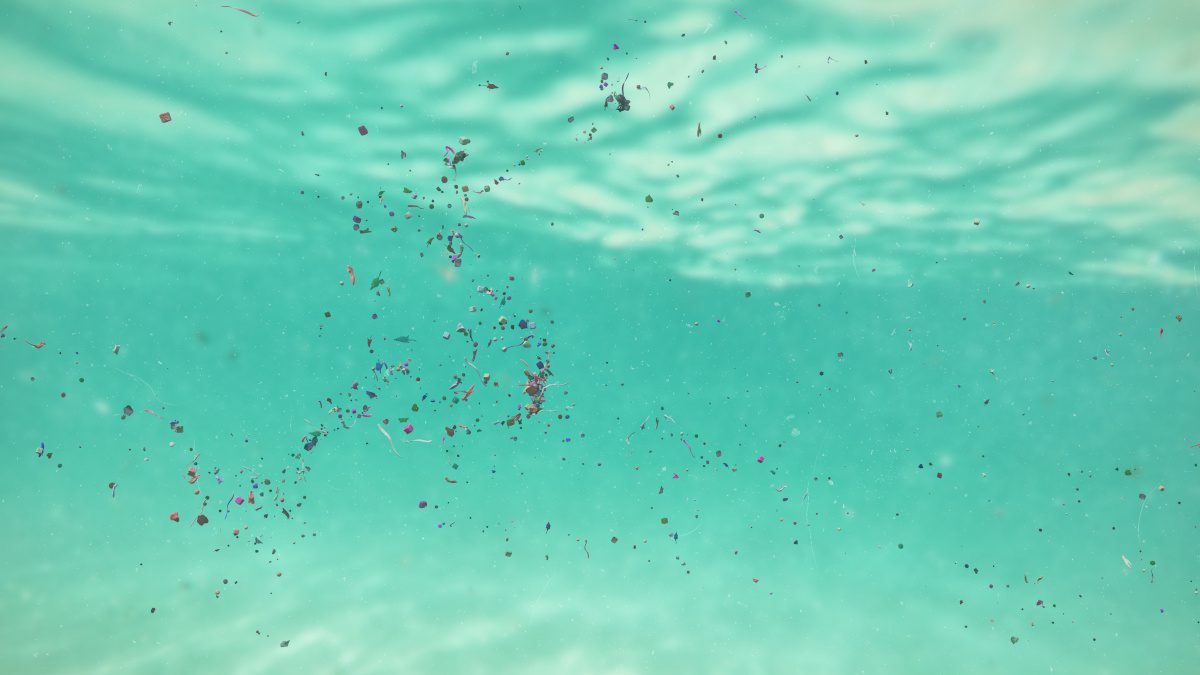
Microplastics are impairing the oceans’ ability to absorb CO2, says new study

January 7, 2026
Venezuelan Oil Brought to the U.S. Would Be Refined in Black Gulf Communities
Fossil Fuels

Venezuelan Oil Brought to the U.S. Would Be Refined in Black Gulf Communities

January 6, 2026
Study explores the lingering threat of “thirdhand smoke” in homes
Air

Study explores the lingering threat of “thirdhand smoke” in homes

January 6, 2026
The Loosely Regulated Petrochemical Barge Industry Is Commandeering a Texas River
Fossil Fuels

The Loosely Regulated Petrochemical Barge Industry Is Commandeering a Texas River

January 6, 2026
Water research body says updated Carbon Accounting Workbook is now live
Air

Water research body says updated Carbon Accounting Workbook is now live

January 5, 2026
Environmental Magazine

Environmental Magazine, Latest News, Opinions, Analysis Environmental Magazine. Follow us for more news about Enviroment and climate change from all around the world.

Learn more

Sections

  • Activism
  • Air
  • Climate Change
  • Energy
  • Fossil Fuels
  • News
  • Uncategorized
  • Water

Topics

Activism Air Climate Change Energy Fossil Fuels News Uncategorized Water

Recent News

Cold snap drives UK power demand to near seven-year high as interconnector reversals push prices sharply higher

Cold snap drives UK power demand to near seven-year high as interconnector reversals push prices sharply higher

January 7, 2026
Microplastics are impairing the oceans’ ability to absorb CO2, says new study

Microplastics are impairing the oceans’ ability to absorb CO2, says new study

January 7, 2026

© 2023 Environmental Magazine. All rights reserved.

No Result
View All Result
  • Home
  • News
  • Climate Change
  • Energy
  • Recycling
  • Air
  • Fossil Fuels
  • Water

© 2023 Environmental Magazine. All rights reserved.

This website uses cookies. By continuing to use this website you are giving consent to cookies being used. Visit our Privacy and Cookie Policy.