

A new technology solution to tackle problems like algal blooms combines data science, environmental science, AI and IoT to monitor and predict water-quality issues, and to trigger interventions intelligently rather than running interventions 24/7
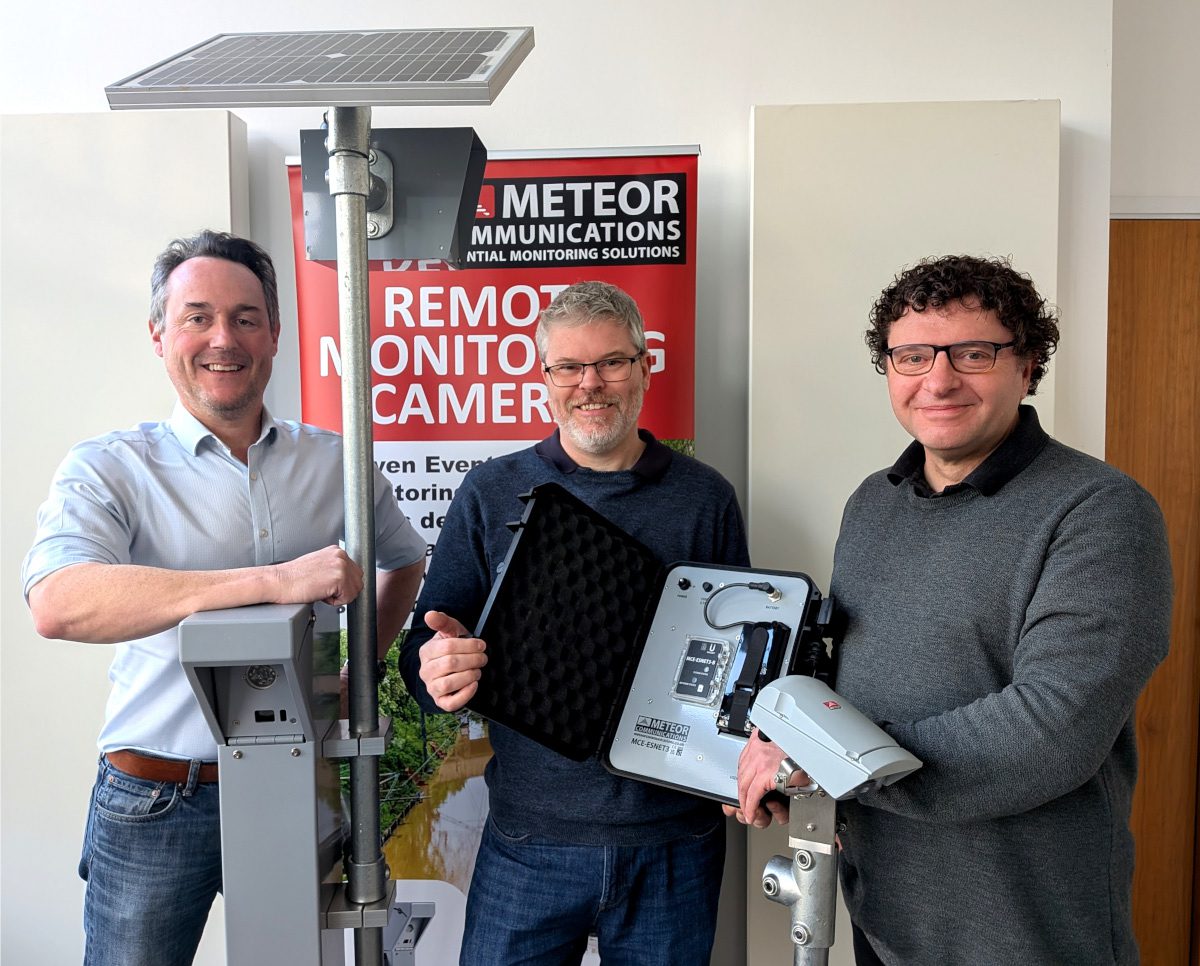
Leeds innovation consultancy Parallax has teamed up with aquatic technology business Remote Automation to bring together the different elements that comprise the RA BASE system.
The technology was developed to address the issue of spiralling numbers of fish deaths in fisheries, as climate change drives the accumulation algal blooms, which in turn breeds more bacteria and leads to oxygen depletion, rendering aquatic habitats unsustainable.
Having proven it in use across private fisheries in the UK, the team of scientists say they are now meeting with wider stakeholders including Government and water companies, at home and internationally, to demonstrate its power.
Nick Butterfield, founder of Remote Automation, explained:
“Traditionally the solution to the problem has been simply to aerate the water – using mechanical interventions such as pumps, diffusers and splashbox paddles. But as we all know from widespread news coverage, water habitats are a fragile ecosystem – and can go from normal to hazardous very quickly. Activating the interventions is usually too little too late, as fish deaths tend to happen all at once. So the answer in commercial fish farms has been to run these machines 24/7, at immense cost and energy consumption.
“One commercial fish farm, for example one we know in Saudi Arabia, can run 5,000 aerators non-stop. Given that it costs us £6,000 per aerator per year in energy bills, we could see clearly how unsustainable this approach to water quality management is.”
Lawrence Dudley, co-founder of Parallax, adds:
“We needed to build software, firmware and hardware to monitor and predict both water quality and external (environmental, chemistry and weather) factors, in order to activate the right interventions at the right time. Crucially, given that this also means running certain machines very infrequently instead of permanently, we also needed to be able to remotely monitor, maintain and test them so they wouldn’t fail at the critical moment.
“The AI layer transforms vast amounts of raw environmental data into actionable predictions, risk alerts, optimisations, and planning insights. The kit itself can be installed in minutes, connected to mains or solar power and via IoT connectivity to centralised monitoring, so it can run in any location.”
Nick Butterfield concludes: “We don’t need to look far to see another news story about the water quality crisis. Even the Olympics had their own news headlines when the River Seine was feared to be off limits for water events – before a massive cleanup operation saved the day. Until our technology was developed, there was no way of remotely monitoring, predicting and responding to water quality data in this way, so it’s truly a world first.”