

RALEIGH, N.C.—The state’s first climate deception case unfurled Thursday in North Carolina Business Court, where attorneys for the town of Carrboro and Duke Energy spent six hours sparring over legal arcana to answer a single question: Should a jury hear a case alleging that Duke Energy is responsible for lying about the link between climate change and extreme weather that has inflicted millions of dollars of property damage on the town?
The case began in December 2024, when Carrboro sued Duke Energy, alleging the utility has funded and promoted a decades-long deception campaign to dismiss the connection between fossil fuels and climate change.
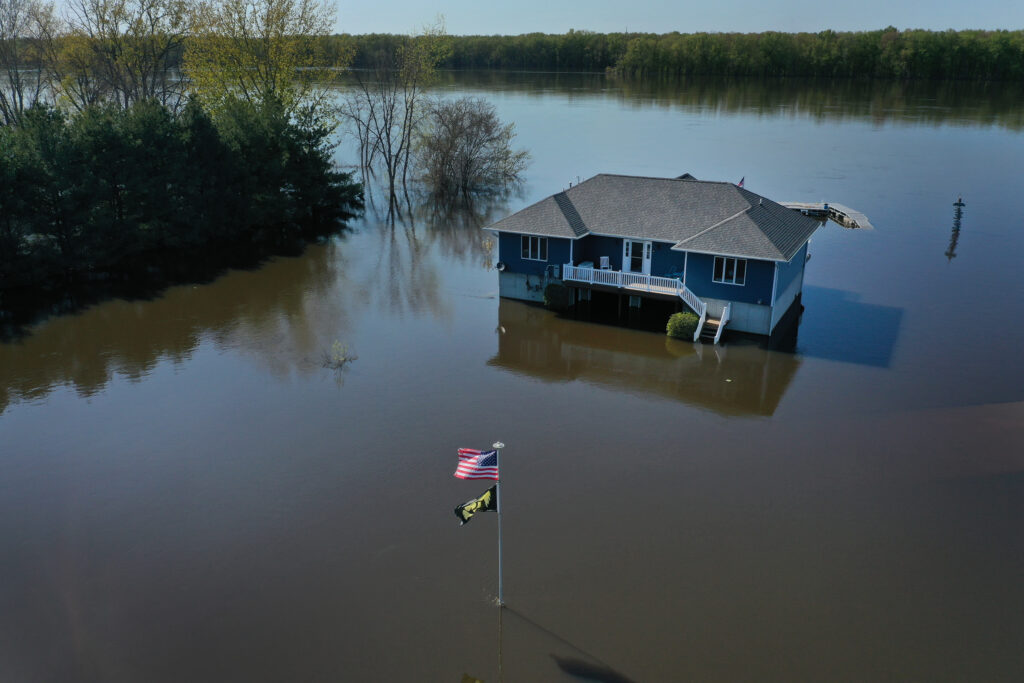
The long-term effects of the alleged deception reinforced the public’s reliance on coal and natural gas, town attorneys argue, which led to increased greenhouse gas emissions and accelerated climate change in the form of heat waves, greater precipitation, intensified storms and more flooding.
Carrboro has incurred millions of dollars in damages to 47 miles of roads and other town-owned property, allegedly because of more frequent and extreme weather that resulted from a warming planet.
“Each step—boom, boom, boom—is a natural sequence,” said Matthew Quinn, a private attorney representing Carrboro.
The town sustained at least $20 million in damages to its buildings, equipment and vehicles in July from Tropical Depression Chantal. Carrboro is seeking financial damages for the past harms, as well as future ones.
Quinn likened the case to tobacco litigation. “Our theory is that Duke’s massive deception got everybody hooked on fossil fuels, like Philip Morris” and cigarettes, he told the court.
Duke Energy argued the complaint is baseless and should be dismissed. “There are other emissions sources. There is no way to trace a statement by Duke to a pothole in Carrboro,” Hunter Bruton, an attorney for the utility, said in court. “These are novel claims.”
If the case goes to trial, Quinn said the town would present climate attribution scientists—experts who study the link between extreme weather events and climate change—to prove causality to a jury.
The alleged deception began in earnest in the 1990s, Carrboro says in its complaint, when several energy front groups, in part funded by Duke Energy, knew fossil fuel emissions were warming the planet but launched a public relations campaign rebutting that climate change was real.
The Global Climate Coalition, of which Duke was an influential member, falsely claimed in a 1994 edition of Climate Watch Bulletin that “new scientific evidence” showed fossil fuels might help maintain “an essential atmospheric balance” and that “cutbacks in fossil fuel use may actually enhance the greenhouse effect,” the complaint says.
Duke was also an “active participant” in a trade association, the Edison Electric Institute, which knew as early as 1968 that fossil fuels were altering the planet’s atmosphere, according to the complaint.
Yet in 1991, the Edison institute ran ads in magazines disputing climate change, including messages like, “How much are you willing to pay to solve a problem that may not exist?” and, “If the earth is getting warmer, why is Kentucky getting colder?”
Judge Mark A. Davis asked the attorneys if the case was about damages or “an end run for policy change” about permissible levels of emissions.
“The only way to get exacerbated climate change is to have exacerbated emissions,” the Duke Energy attorneys responded. “They have to prove the campaign caused someone to increase emissions.”
Duke’s greenhouse gas emissions will likely increase, at least in the near future. Earlier this year, the state legislature passed a bill, which became law over the governor’s veto, that allowed Duke Energy to postpone meeting a key carbon reduction benchmark in state law. Just four years ago, state lawmakers had required the utility to reduce its greenhouse gas emissions by 70 percent by 2030.
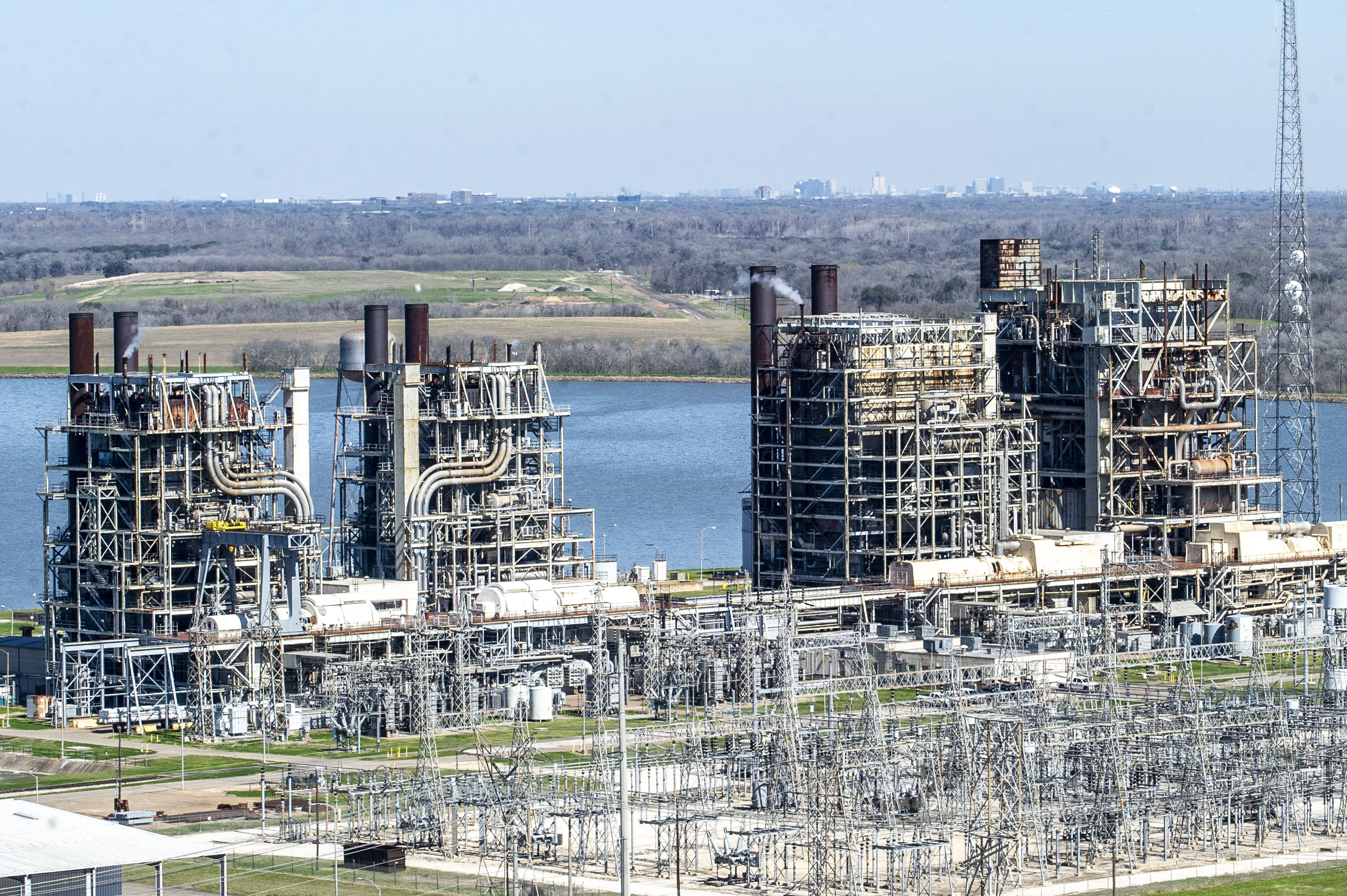
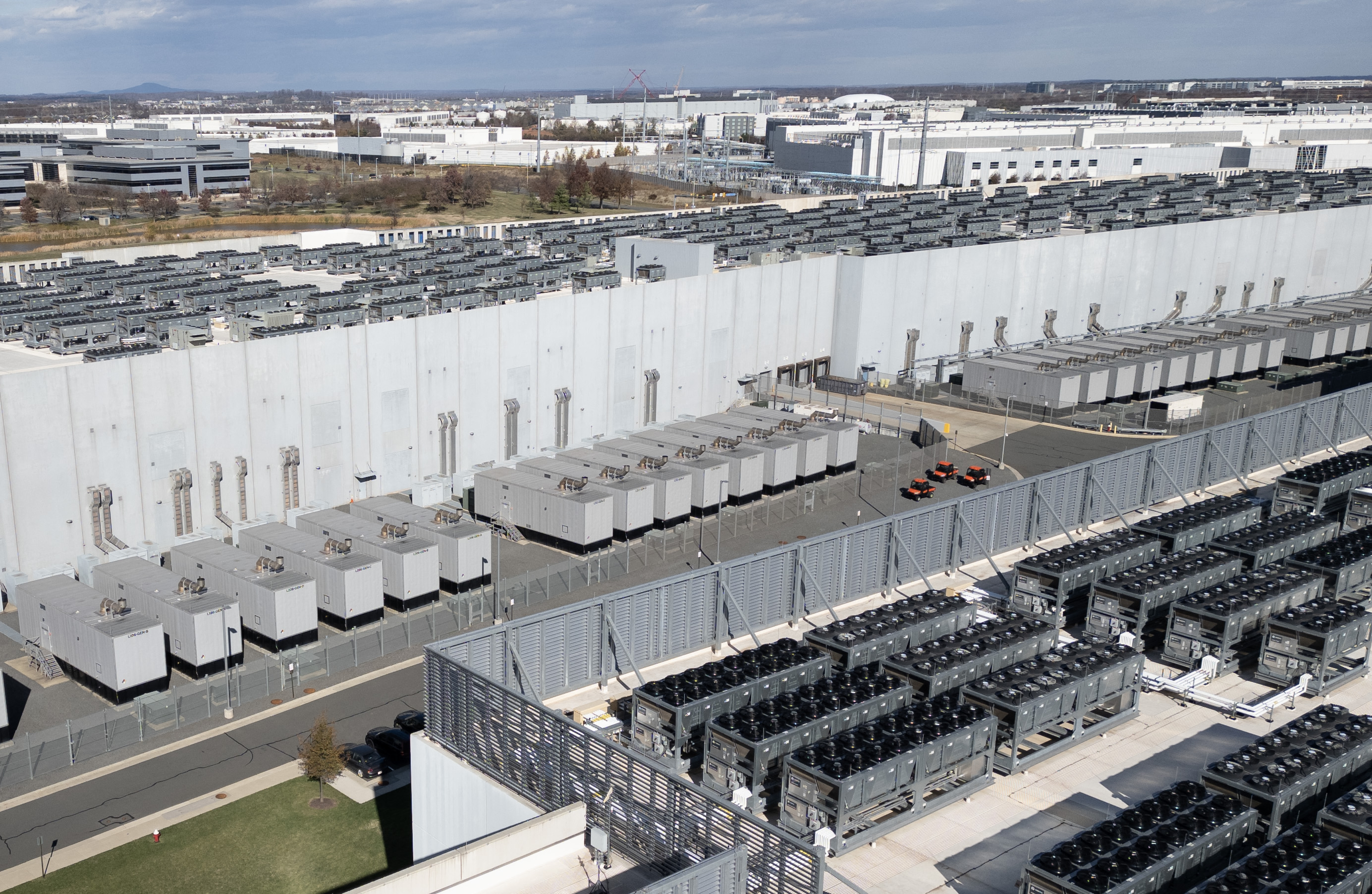
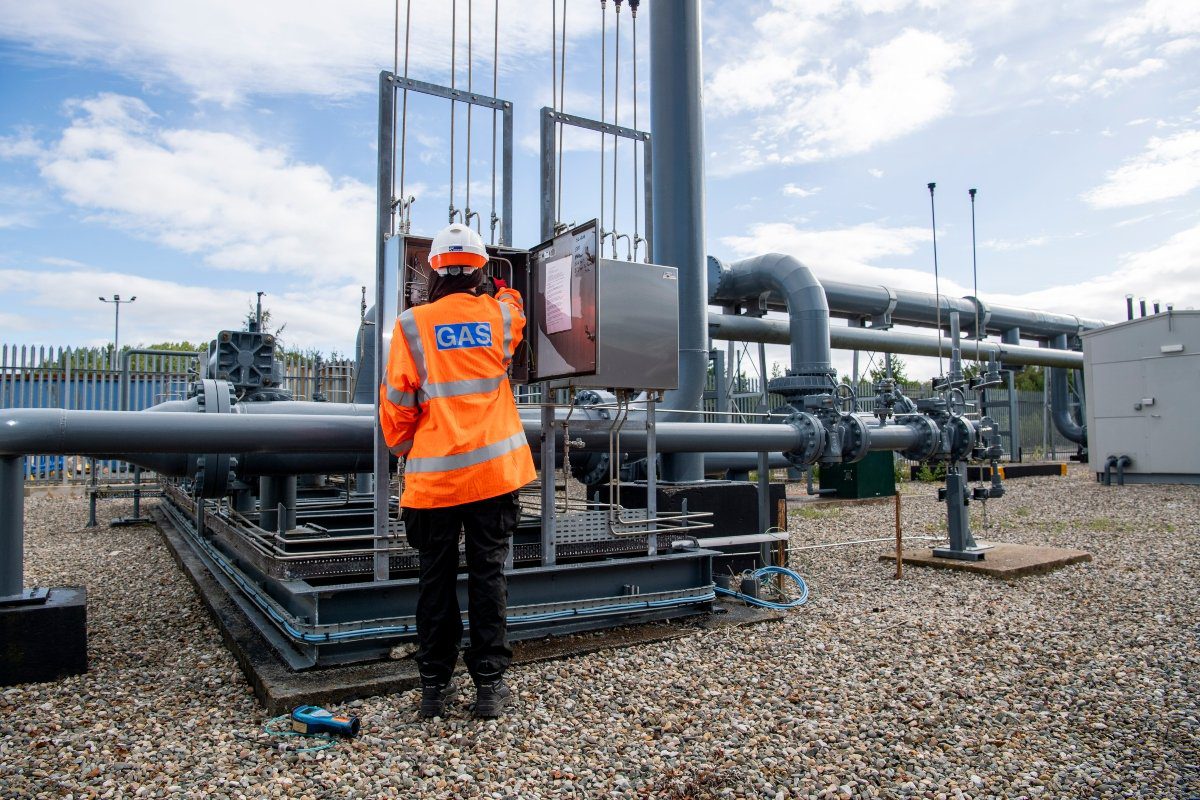
Duke said it could not achieve those reductions because of increased energy demand by data centers and other large industries; it plans to build several new natural gas plants—major sources of methane, a powerful greenhouse gas—to serve those customers.
Now state law requires the utility only to meet its ultimate goal of net-zero emissions by 2050.
Carrboro is alleging that Duke Energy’s harms constitute a public and private nuisance because the town no longer has the “use and enjoyment of its property.” The utility’s actions also constitute “trespass,” the attorneys argue, because the floods, wind, heat waves and storms from climate change “enter and damage” town property.
Attorneys for Duke Energy seemed exasperated at the claim. “We don’t control the weather or the rain or the heat, which they’re alleging is the trespass,” Duke Energy attorney Sterland Marchand said.
Duke Energy must be held responsible for the consequence of their deception, Quinn concluded. “Their position is there are no legal consequences and they can say anything about their business model and parties like Carrboro can’t pursue damages. There is legal redress,” Quinn argued. “Causation should not be misunderstood, and Carrboro’s extreme damages should not be minimized.”
Davis did not rule on the case Thursday; he has asked the town and the utility to submit by Oct. 25 supplemental briefs on the issue of “traceability,” whether the climatic effects on Carrboro can be linked to the alleged deception campaign.
About This Story
Perhaps you noticed: This story, like all the news we publish, is free to read. That’s because Inside Climate News is a 501c3 nonprofit organization. We do not charge a subscription fee, lock our news behind a paywall, or clutter our website with ads. We make our news on climate and the environment freely available to you and anyone who wants it.
That’s not all. We also share our news for free with scores of other media organizations around the country. Many of them can’t afford to do environmental journalism of their own. We’ve built bureaus from coast to coast to report local stories, collaborate with local newsrooms and co-publish articles so that this vital work is shared as widely as possible.
Two of us launched ICN in 2007. Six years later we earned a Pulitzer Prize for National Reporting, and now we run the oldest and largest dedicated climate newsroom in the nation. We tell the story in all its complexity. We hold polluters accountable. We expose environmental injustice. We debunk misinformation. We scrutinize solutions and inspire action.
Donations from readers like you fund every aspect of what we do. If you don’t already, will you support our ongoing work, our reporting on the biggest crisis facing our planet, and help us reach even more readers in more places?
Please take a moment to make a tax-deductible donation. Every one of them makes a difference.
Thank you,

Lisa Sorg
Reporter, North Carolina
Lisa Sorg is the North Carolina reporter for Inside Climate News. A journalist for 30 years, Sorg covers energy, climate environment and agriculture, as well as the social justice impacts of pollution and corporate malfeasance.
She has won dozens of awards for her news, public service and investigative reporting. In 2022, she received the Stokes Award from the National Press Foundation for her two-part story about the environmental damage from a former missile plant on a Black and Latinx neighborhood in Burlington. Sorg was previously an environmental investigative reporter at NC Newsline, a nonprofit media outlet based in Raleigh. She has also worked at alt-weeklies, dailies and magazines. Originally from rural Indiana, she lives in Durham, N.C.