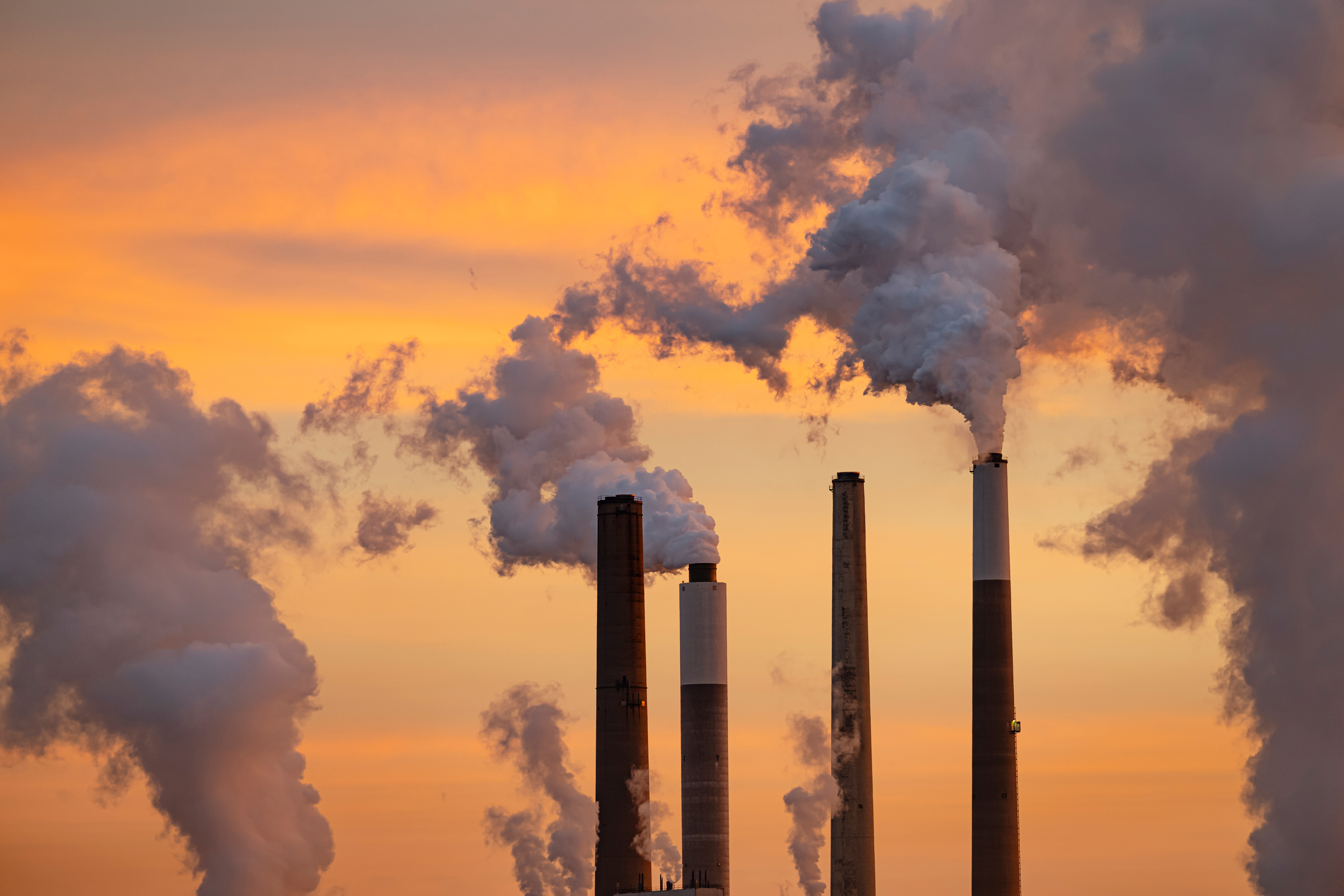


Despite the efforts of more than half of all countries worldwide to curb a key climate super-pollutant, a report released this week by the United Nations Environment Programme at the U.N. climate summit shows that global methane emissions continue to climb at a troubling pace.
The report was the first worldwide assessment of the Global Methane Pledge, an effort to curb methane emissions, since the United States and the European Union launched the initiative during the U.N.’s annual Conference of the Parties climate summit in Glasgow in 2021.
Methane—a potent greenhouse gas and the second leading driver of climate change after carbon dioxide—is responsible for approximately one-third of human-caused warming to date. The U.S. remains part of the non-binding pledge but has rolled back methane regulations under President Donald Trump.
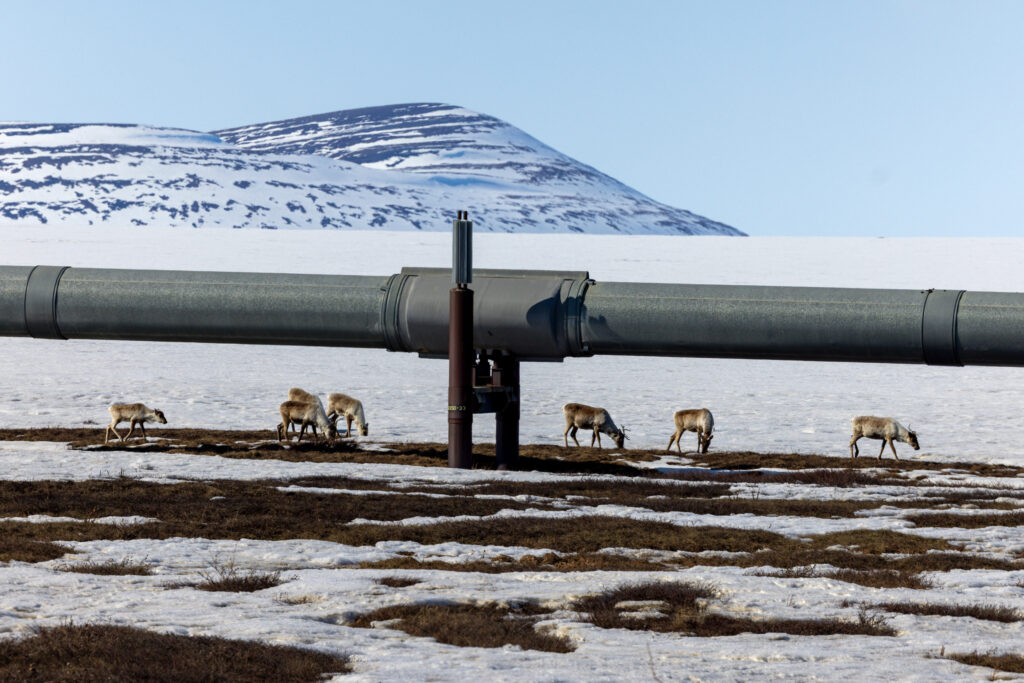
Curbing methane emissions is widely considered the most expedient way to combat climate change. Unlike carbon dioxide, which can remain in the atmosphere for centuries, methane only sticks around for approximately 12 years. The primary sources of methane pollution are agriculture, oil and gas infrastructure and landfills.
Countries that signed the pledge agreed to collectively reduce global methane emissions from human activity at least 30 percent by 2030, compared to 2020 levels. Now, nearly halfway to the pledge’s endpoint, global methane emissions are instead on track to increase 5 percent by the end of the decade.
If the 159 countries that signed the pledge follow through on that commitment, or similar promises made under the United Nations Framework Convention on Climate Change, methane emissions would decrease just 8 percent by 2030, far short of the 30 percent goal, the report found. Three of the largest emitters—China, India and Russia—have not signed the methane pledge.
The report findings came as leaders from around the globe gathered for the COP30 talks in Belém, Brazil.
“We have to act much faster,” said Martina Otto, head of the Climate and Clean Air Coalition, a UN Environment Programme initiative that oversees the Global Methane Pledge.
If global methane emissions increase 5 percent by 2030, as currently projected under existing environmental regulations rather than non-binding pledges, the additional pollution would drive climate damage with significant negative impacts. The added methane would contribute to nearly 24,000 premature deaths and 2.5 million metric tons of crop losses annually by 2030, according to the report. The increased emissions would also cause up to $43 billion in economic damage per year by 2030, the report found.
The agricultural and waste sectors are projected to see the most significant increases in methane emissions, driven by larger anticipated livestock herds and higher waste generation due to expanding populations and economic growth. New waste management regulations in Europe and North America, along with slow growth in natural gas markets, led to a lower-than-expected increase in human-caused methane emissions, according to the report.
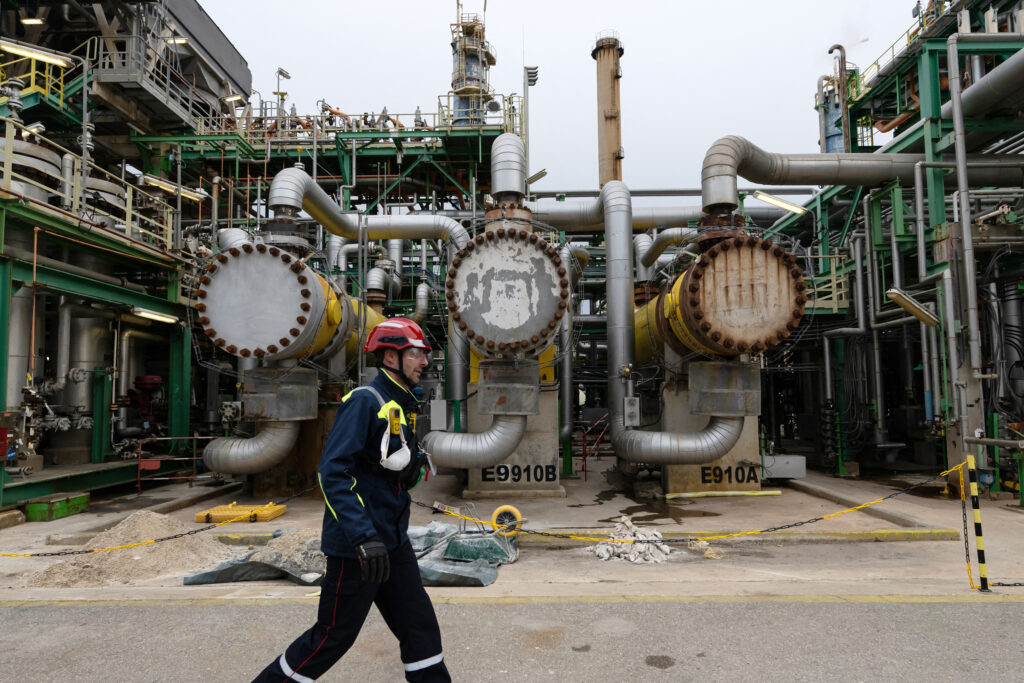
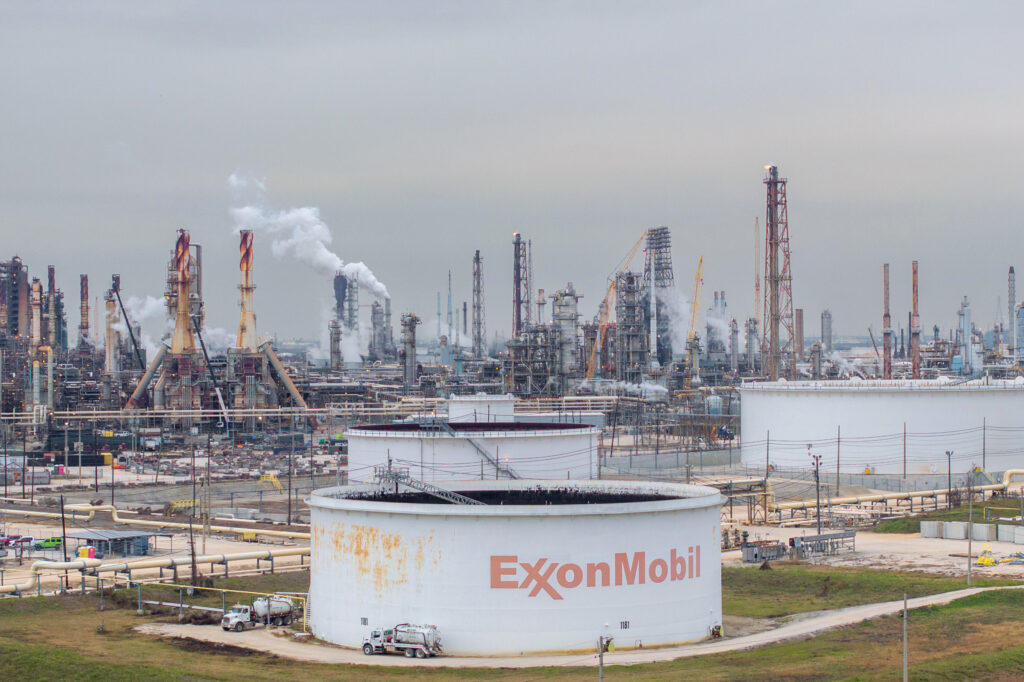
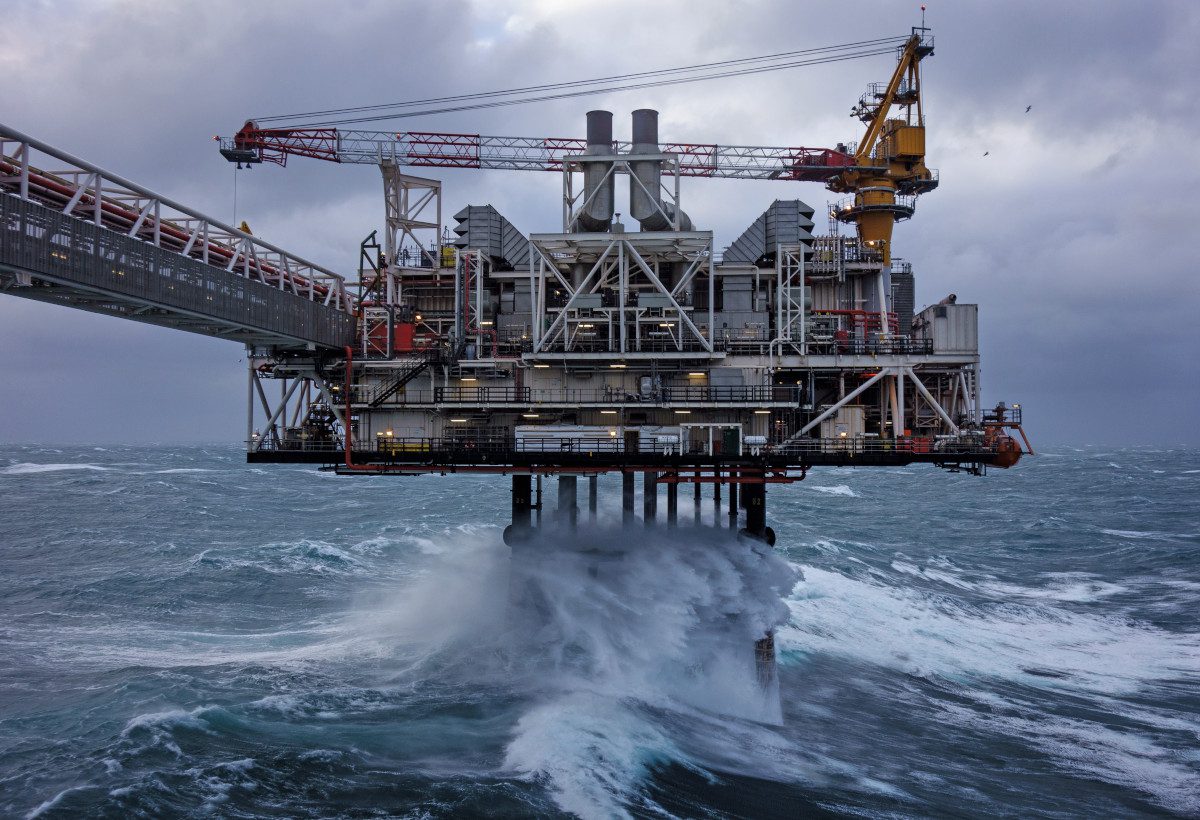
The energy sector, meanwhile, offers the best opportunity for low-cost methane emission reductions, as methane is the primary component of natural gas.
As the planet warms, natural releases of methane from wetlands and melting permafrost have increased. That suggests greater reductions in methane pollution from human activity may be needed to combat climate change.
Regulations enacted by the U.S. Environmental Protection Agency in 2023 were projected to reduce methane emissions from the country’s oil and gas sector by nearly 80 percent compared to future emissions expected without the rule. In November 2024, the Biden administration placed a fee on excessive methane emissions from the oil and gas industry to further curb emissions. The following month, the Biden administration went beyond the 30 percent target set by the Global Methane Pledge and, under the Paris climate agreement, committed to reducing methane emissions across all sectors of the U.S. economy by 35 percent from 2005 levels.
However, Trump pulled the U.S. out of the Paris Agreement on his first day in office in January and signed legislation repealing the U.S. methane fee in March. In July, the EPA extended deadlines for the oil and gas industry to limit emissions of methane and other harmful pollutants.
Now, U.S. officials are urging Europe, one of the largest importers of natural gas, to ease its own environmental regulations. The EU Methane Regulation, approved by the European Commission, will require energy imports to the European Union to meet methane emission thresholds starting in 2030.
The requirement could pose a problem for U.S. liquified natural gas exports to Europe, given the recent rollbacks of U.S. methane regulations. U.S. Energy Secretary Chris Wright and Interior Secretary Doug Burgum traveled to Greece earlier this month in the latest effort to lobby for the use of fossil fuels. “We want to bring as much energy by ship as we can,” Wright told Greek Public Television at the Partnership for Transatlantic Energy Cooperation summit in Athens.
This story is funded by readers like you.
Our nonprofit newsroom provides award-winning climate coverage free of charge and advertising. We rely on donations from readers like you to keep going. Please donate now to support our work.
Donate Now
“Both of us are very worried about the EU regulations, which actually are increasing costs, [and] slowing down investment,” Burgum said at the summit.
On a trip to Italy and Belgium in September, Wright said he and Burgum would discuss with EU leaders barriers that were “needlessly in the way of bringing more energy into Europe.”
The U.S. Department of Energy did not respond to a request for comment on the outcome of those discussions.
Following the September trip, the London-based Institutional Investors Group on Climate Change sent a letter on behalf of 44 leading investors, who manage over €4.85 trillion in assets, to the European Commission, urging the body to maintain the EU Methane Regulation.
Tommaso Mazzanti, a spokesperson for the investors group, said that to the best of his knowledge, the methane regulation remains intact. “We are not aware of any plans to change, delay, or weaken the regulation, but cannot speak to the Commission’s future intentions,” Mazzanti said in an email.
A spokesperson for the European Commission said it stands by the regulation and is confident the requirement does not pose any barriers to energy trade.
“We are aware of the concerns raised by the U.S. administration and we keep engaging with them on the implementation of the regulation,” the spokesperson said in a written statement.
The extent to which the EU and others rein in emissions of the super pollutant will have big implications for the world.
“Cutting [methane] is one of the fastest and most cost-effective ways to slow climate change, making it our climate emergency brake,” said Otto, with the U.N. initiative overseeing the global pledge. “Every ton of methane we avoid delivers cleaner air, stronger communities and a safer climate future.”
About This Story
Perhaps you noticed: This story, like all the news we publish, is free to read. That’s because Inside Climate News is a 501c3 nonprofit organization. We do not charge a subscription fee, lock our news behind a paywall, or clutter our website with ads. We make our news on climate and the environment freely available to you and anyone who wants it.
That’s not all. We also share our news for free with scores of other media organizations around the country. Many of them can’t afford to do environmental journalism of their own. We’ve built bureaus from coast to coast to report local stories, collaborate with local newsrooms and co-publish articles so that this vital work is shared as widely as possible.
Two of us launched ICN in 2007. Six years later we earned a Pulitzer Prize for National Reporting, and now we run the oldest and largest dedicated climate newsroom in the nation. We tell the story in all its complexity. We hold polluters accountable. We expose environmental injustice. We debunk misinformation. We scrutinize solutions and inspire action.
Donations from readers like you fund every aspect of what we do. If you don’t already, will you support our ongoing work, our reporting on the biggest crisis facing our planet, and help us reach even more readers in more places?
Please take a moment to make a tax-deductible donation. Every one of them makes a difference.
Thank you,

Phil McKenna
Reporter, Boston
Phil McKenna is a Boston-based reporter for Inside Climate News. Before joining ICN in 2016, he was a freelance writer covering energy and the environment for publications including The New York Times, Smithsonian, Audubon and WIRED. Uprising, a story he wrote about gas leaks under U.S. cities, won the AAAS Kavli Science Journalism Award and the 2014 NASW Science in Society Award. Phil has a master’s degree in science writing from the Massachusetts Institute of Technology and was an Environmental Journalism Fellow at Middlebury College.