

In the final weeks of Gov. Phil Murphy’s tenure, New Jersey climate advocates are trying to do something governors rarely manage on their way out the door: bind their successors to an ambitious climate promise.
A sweeping measure, known as the New Jersey Clean Energy Act of 2024, would write into law Murphy’s goal of running the state on 100 percent clean electricity by 2035, a target he first set by executive order in 2023.
If it passes before the lame-duck session ends in January, the bill would outlast Murphy and would land on the desk of Governor-elect Mikie Sherrill, who campaigned on lowering utility bills but has not said whether she backs locking the 2035 deadline into statute.
“This is a priority piece of legislation … to codify Governor Murphy’s Executive Order 315, which is the 100 percent clean electricity by 2035 into law,” said Ed Potosnak, executive director of the New Jersey League of Conservation Voters, an environmental advocacy group. “So that the next governor … and beyond, are required to move the state in that direction.”
The bill would strengthen a clean-electricity standard, requiring all power sold in New Jersey to come from clean sources by 2035. This largely mirrors Murphy’s Executive Order 315 and the state’s newly updated Energy Master Plan. It then directs the Board of Public Utilities to create a new market for “clean electricity certificates,” giving utilities and large buyers a tradable way to prove their supply meets the standard.
Starting in 2030, at least half of the renewable energy certificates used for compliance would have to come from projects inside New Jersey, steering more investment and jobs in-state instead of paying for credits from out-of-state wind and solar.
At the same time, the bill tightens New Jersey’s existing renewable standard, which is a separate rule that governs how much electricity must come from specific renewable sources like solar, wind and small hydropower.
While the broader clean-electricity goal would require a carbon-free grid by 2035, the renewable standard would keep ramping up beyond that: Utilities would have to raise the share of their retail sales coming from so-called Class I renewables, such as solar and wind, to 100 percent by 2045, up from a current requirement of 50 percent by 2030.
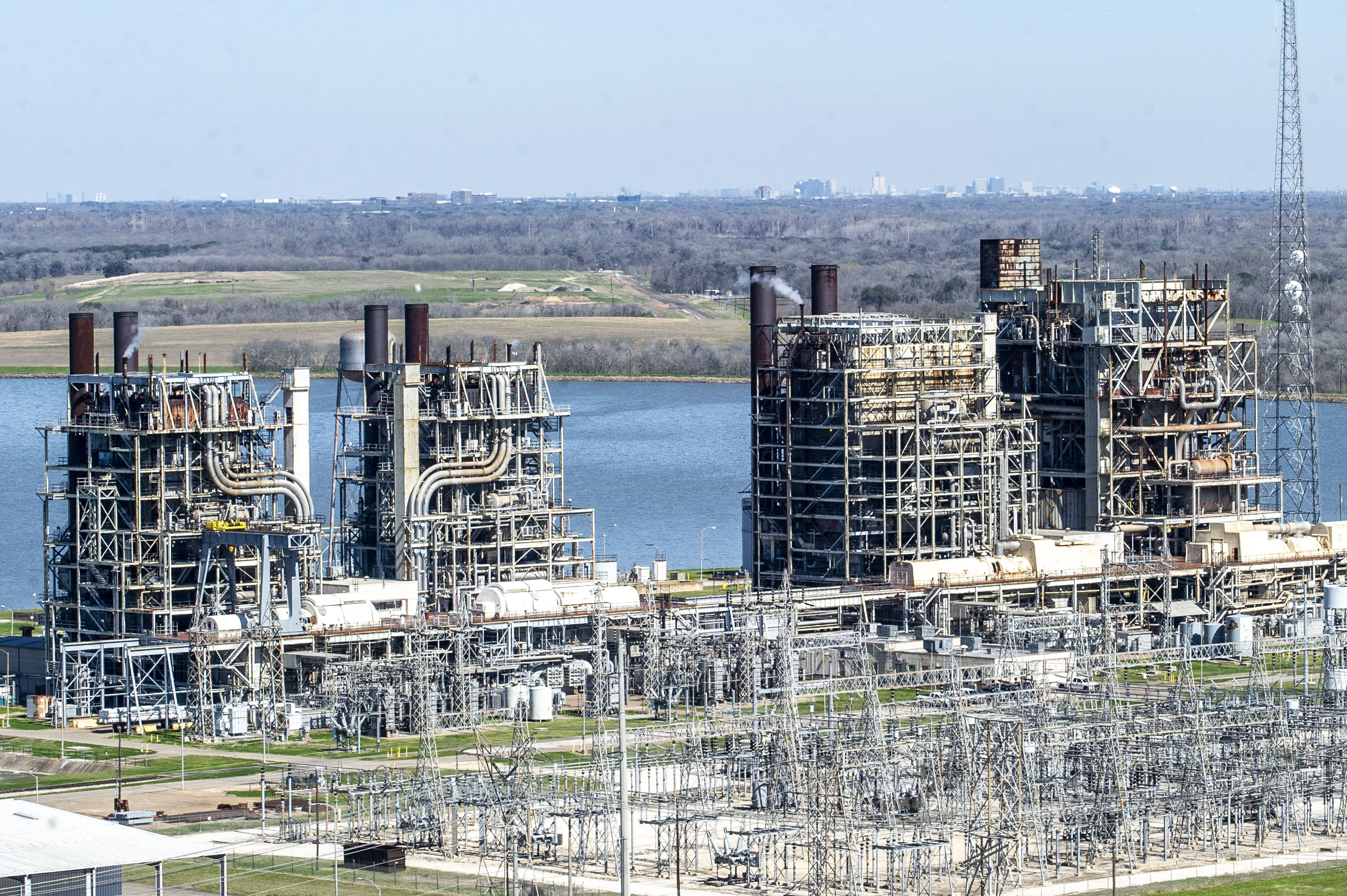
There is also a nod to political reality. For the small number of fossil-fuel peaker plants that fire up only on days of high demand, the bill gives an extra decade, until 2045, to fully transition to clean power.
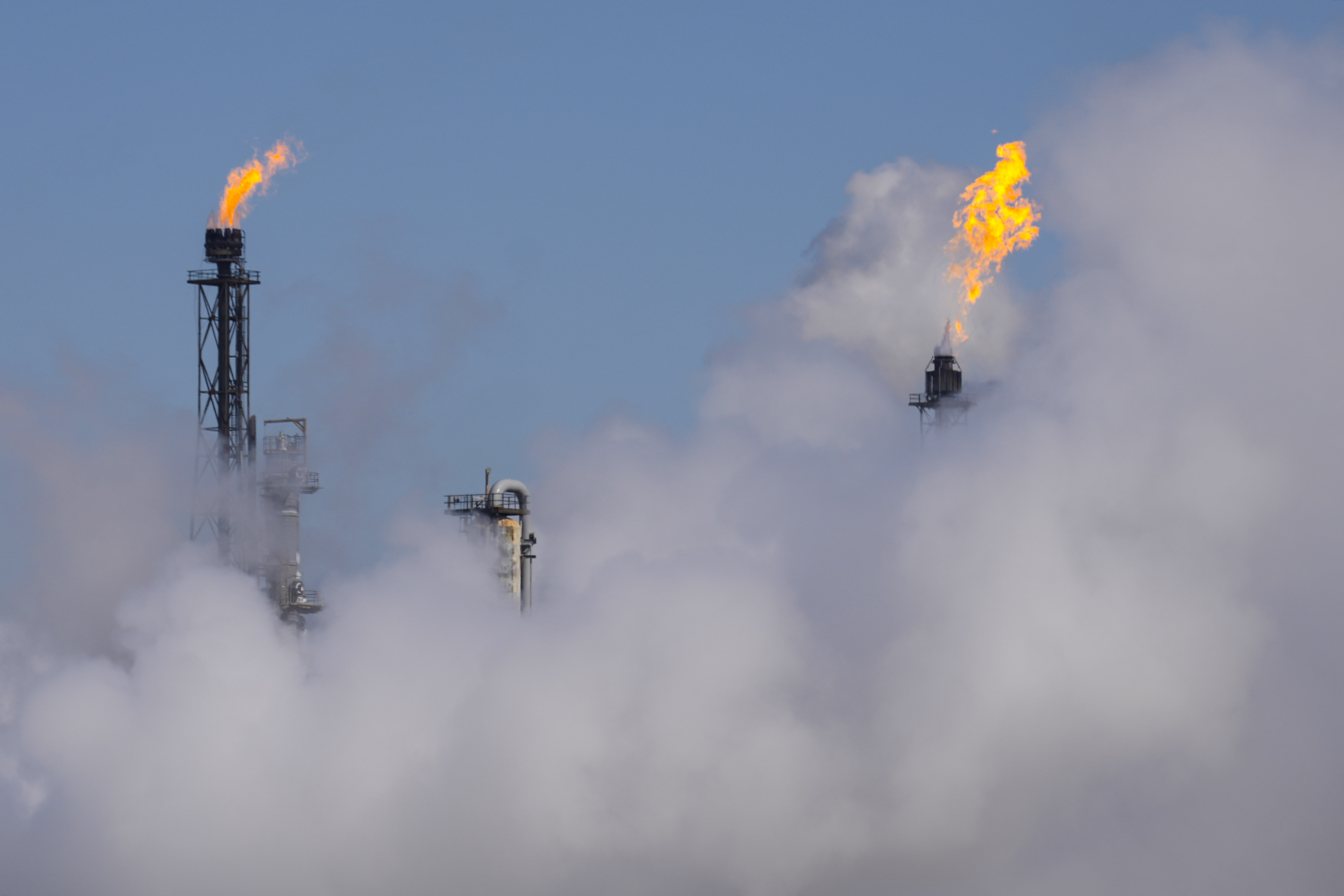
New Jersey’s grid is still dominated by fossil fuels and nuclear power. In 2023, natural gas provided about 49 percent of the state’s electricity, while nuclear plants supplied 42 percent. Solar, wind and other renewables made up only a small share of the mix. Together, gas and nuclear have accounted for more than 90 percent of the state’s generation every year since 2011.
Defining Clean Energy
What makes the measure stand out nationally is not just the date, but the way it defines “clean.”
“It would specifically call out co-pollutants as not allowable … anywhere along the supply chain of energy production,” Potosnak said, noting that, if the bill is passed, New Jersey would have among the strictest definitions of clean energy in the United States.
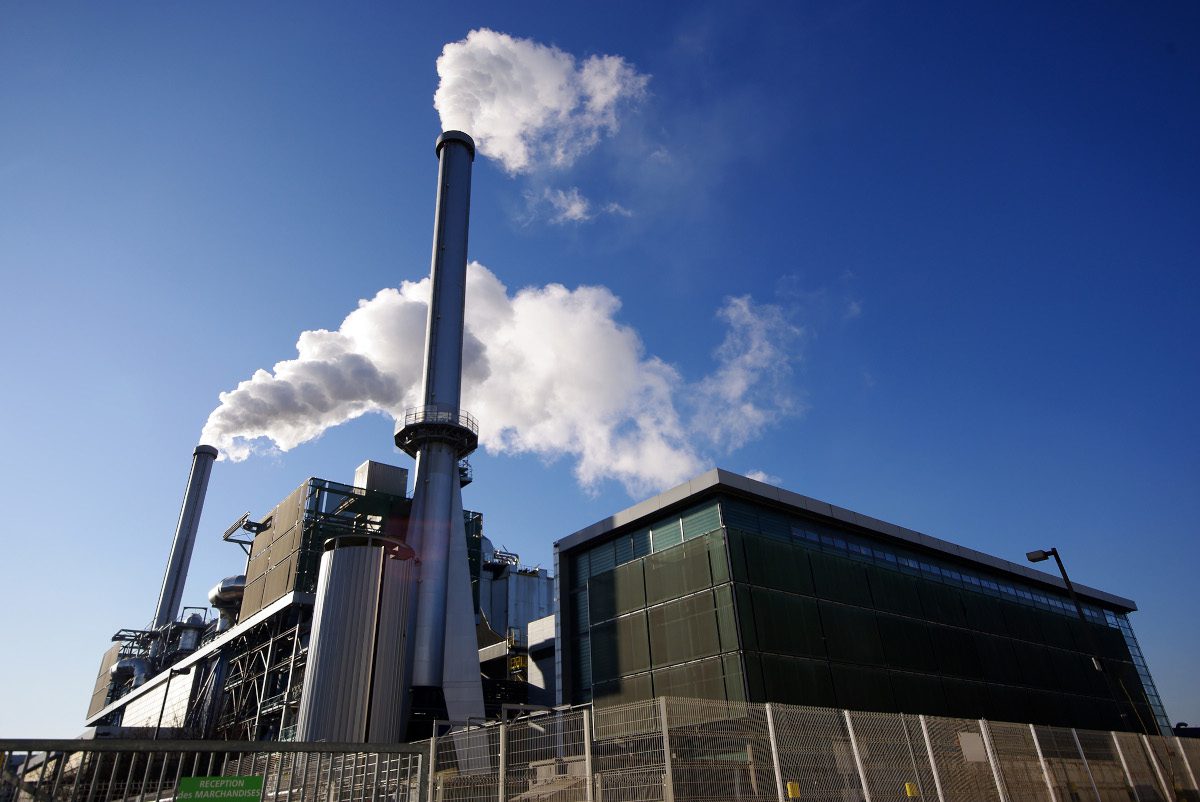
In practice, it would mean that New Jersey’s long-controversial trash incinerators, currently counted as Class II renewables—with trash incineration producing soot and steam to create electricity—could no longer be used to meet the 100 percent clean-energy mandate.
Assemblywoman Verlina Reynolds-Jackson, a Democrat from Trenton and a co-sponsor of the bill, said the definition is especially important for neighborhoods that already host multiple polluting facilities.
“In the city of Trenton … there is a community that has [a] trash incinerator already there,” she recalled, describing how residents pushed back when companies proposed adding still more industrial infrastructure.
The 2018 Clean Energy Act already required utilities to get half their power from Class I renewables by 2030. The new bill would tighten that trajectory, one that counts nuclear and certain zero-carbon resources toward the 2035 goal but forces the remaining fossil-fuel “residual” to shrink steadily.
Climate and health experts say that shift is urgent in a dense state with some of the worst air quality in the country.
Brian Lestini, a physician and public-health advocate with Clinicians for Climate Action, noted that New Jersey’s average temperatures are rising faster than much of the country, compounding risks from extreme heat and air pollution in urban areas with less tree cover.
“Clean renewable energy like solar and wind, they’re the fastest, the cheapest, and also by far the healthiest to build,” Lestini said, arguing that high bills today reflect a lack, not a surplus, of clean energy.
New Energy Plan, New Headwinds
The lame-duck debate comes as Murphy belatedly released the 2024 Energy Master Plan, the state’s long-term roadmap for meeting his clean-energy goals.
The plan assumes New Jersey can still reach 100 percent clean electricity for its average daily load by 2035, even after the collapse of two massive offshore wind projects, Ocean Wind 1 and 2, that were once central to the state’s strategy. Those projects were canceled in late 2023 amid supply-chain delays and rising interest rates; Ørsted, their Danish developer, later agreed to pay New Jersey $125 million to settle related claims.

Instead, the blueprint leans heavily on solar and battery storage, much of it built on already paved land such as warehouses, parking lots and highway medians.
All of that is unfolding against a turbulent national backdrop. President Donald Trump has effectively frozen approvals for major wind and solar projects on federal lands, while openly attacking offshore wind and praising states that scale it back. State officials and advocates warn that federal hostility creates urgency for New Jersey to do what it can on its own.
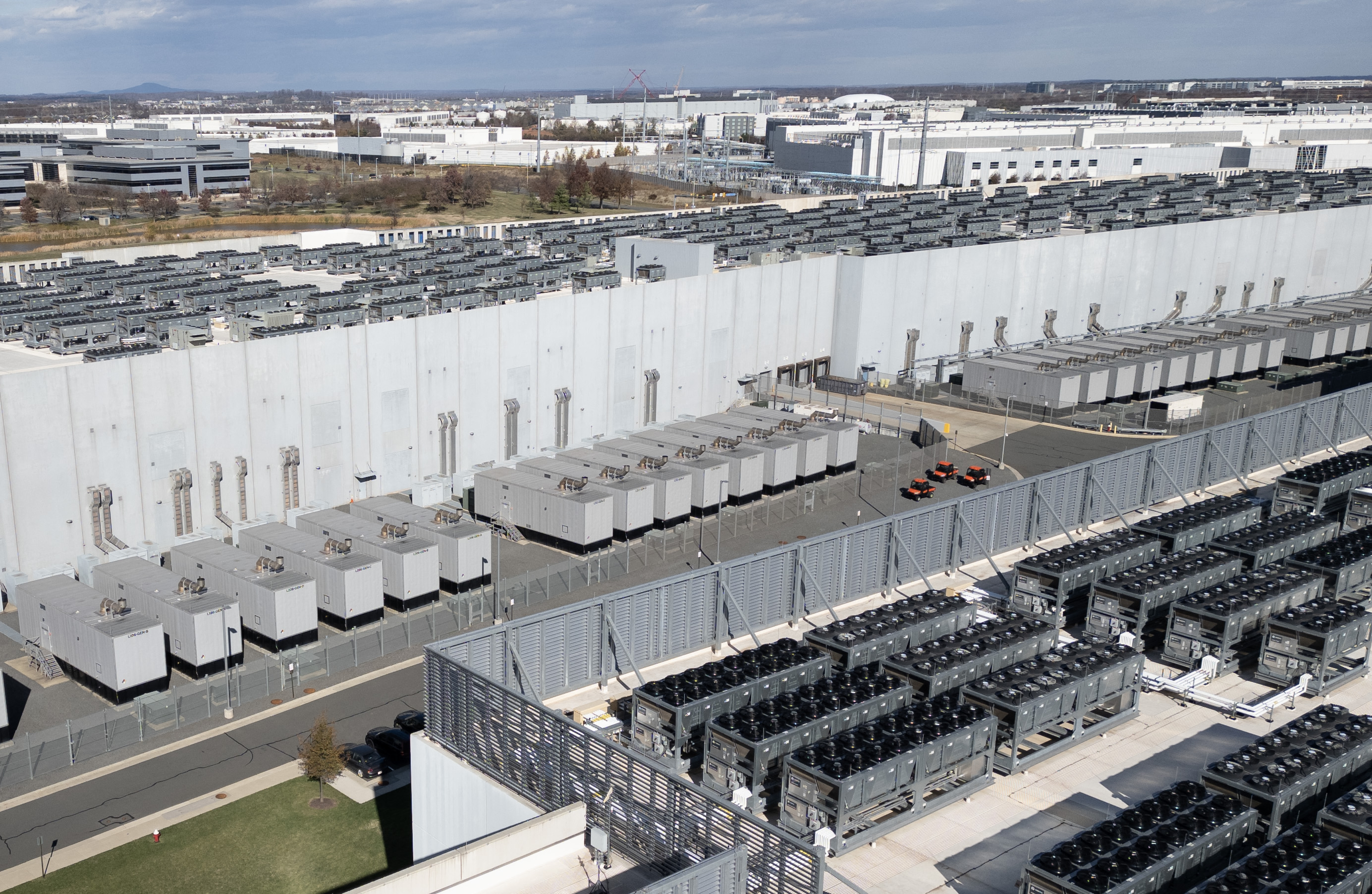
The state is also grappling with surging electricity demand from new data centers across the PJM regional grid that serves New Jersey and a dozen other states.
“Most people don’t understand what a data center looks like. They don’t know about what a power grid is,” Reynolds-Jackson said. “But they do know that their utility bills are going up … It may be the difference between putting food on the table or buying medicine.”
In Reynolds-Jackson’s view, the surest way to hold down costs and protect communities from pollution is simple: build more clean energy, and don’t stop.
Can Sherrill Make It Work?
If the Legislature sends the bill to the governor’s desk before Jan. 19, Murphy can still sign it. After that, implementing it would fall largely to Sherrill, who has promised to declare a state of emergency on utility rates in her first year in office.
During the campaign, Sherrill ran on an “all-of-the-above” approach to energy that emphasized affordability and grid reliability but stopped short of endorsing Murphy’s 2035 clean-electricity target.
Advocates say that is not unusual.
This story is funded by readers like you.
Our nonprofit newsroom provides award-winning climate coverage free of charge and advertising. We rely on donations from readers like you to keep going. Please donate now to support our work.
Donate Now
“Typically … governors don’t weigh in on legislation. They let the legislative branch do their thing until it gets pretty far along,” Potosnak said.
State Sen. Andrew Zwicker, a Democrat and one of Trenton’s leading clean-energy voices who sponsored the 2035 goal bill, said the biggest challenge for the bill now was timing.
“There is very little time left to reach the floor before the end of the lame-duck session,” Zwicker said. “If it doesn’t make it, it gets reintroduced. We’d push again with the Sherrill administration.”
Potosnak is more determined. The lame duck session, he said, is “a time when really good things can happen quickly,” and he believes voters just gave lawmakers a mandate to act.
“This election has shown that voters want affordable energy and clean energy is the cheapest,” he said, referring to Sherrill’s victory.
If the bill stalls, Murphy’s 2035 target would remain in place only as an executive order—something a future governor could water down or revoke.
“The more important thing than the accountability part towards the government is the signaling to investors,” Mr. Potosnak said. Without clear law, he warned, “they get cold feet and they just stay out … They want predictability. They want reliability.”
Lestini, the physician, comes back to the human bottom line.
“There is a false narrative … that’s basically blaming what we’re seeing in terms of rates on renewable energy,” he said. In reality, he added, the lack of clean supply has left families choosing between “paying their energy bill or buying medications,” a choice he believes no one should have to make.
About This Story
Perhaps you noticed: This story, like all the news we publish, is free to read. That’s because Inside Climate News is a 501c3 nonprofit organization. We do not charge a subscription fee, lock our news behind a paywall, or clutter our website with ads. We make our news on climate and the environment freely available to you and anyone who wants it.
That’s not all. We also share our news for free with scores of other media organizations around the country. Many of them can’t afford to do environmental journalism of their own. We’ve built bureaus from coast to coast to report local stories, collaborate with local newsrooms and co-publish articles so that this vital work is shared as widely as possible.
Two of us launched ICN in 2007. Six years later we earned a Pulitzer Prize for National Reporting, and now we run the oldest and largest dedicated climate newsroom in the nation. We tell the story in all its complexity. We hold polluters accountable. We expose environmental injustice. We debunk misinformation. We scrutinize solutions and inspire action.
Donations from readers like you fund every aspect of what we do. If you don’t already, will you support our ongoing work, our reporting on the biggest crisis facing our planet, and help us reach even more readers in more places?
Please take a moment to make a tax-deductible donation. Every one of them makes a difference.
Thank you,

Rambo Talabong
Contributor
Rambo Talabong is a multimedia climate reporter based in New York City. Before moving to the U.S., he led award-winning investigations into the Duterte drug war for Rappler, the Nobel Prize-winning newsroom in Manila. His reporting has been recognized by the Global Investigative Journalism Network, the Society of Publishers in Asia, and the Human Rights Press Awards. He studied data journalism at Columbia University and is currently pursuing a master’s in science journalism at New York University. He has faced—and won—two libel suits in the Philippines over his reporting.