



Lessons From Scotland’s building envelope projects (words: Strathclyde Sealants)
When we talk about reducing embodied carbon in construction, the conversation typically focuses on structural materials like steel and concrete, but a highly overlooked contributor to premature building failure and unnecessary environmental cost is poor envelope detailing.
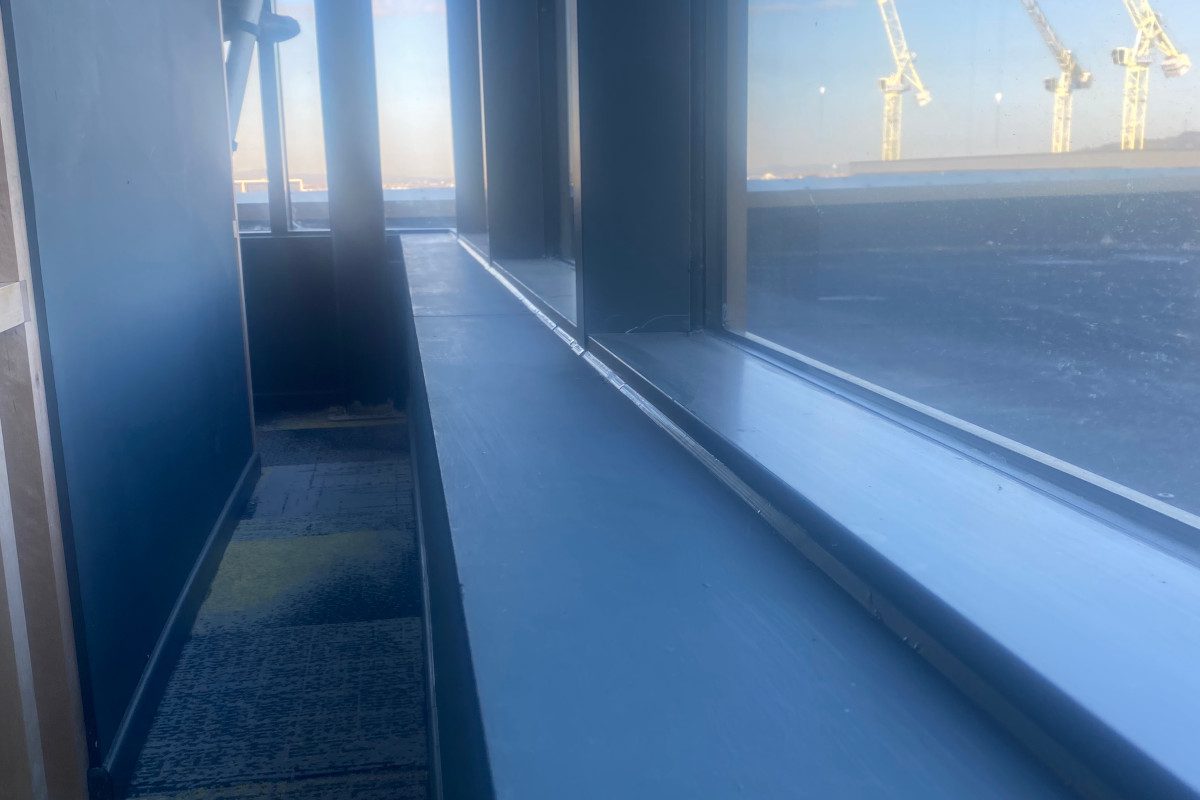
Leaks around windows, failed expansion joints in concrete slabs, and deteriorating facade seals force early interventions that multiply waste, extra site visits, and the carbon footprint of what should have been a decades-long asset life.
A single water ingress point left unsealed or incorrectly treated can lead to freeze-thaw damage, concrete spalling, and ultimately resource-intensive repairs or even premature demolition that could have been avoided with proper initial specification and application of the right sealant systems.
Technical role in air-tightness and moisture control
The technical role of mastics and joint sealants extends far beyond simply filling gaps, as these materials are critical to achieving air-tightness targets in modern buildings, preventing moisture infiltration that degrades insulation performance, and accommodating structural movement without cracking. Specifying a generic sealant for a high-movement concrete joint, or using a standard product in areas exposed to fuel or chemical spillage, almost guarantees failure within a few years, while also leading to repeat applications with all the associated waste and carbon emissions.
Practitioner insights from Scottish projects
Strathclyde Sealants, a Scotland-based sealant contractor with over a decade of experience on large-scale residential, stadium and infrastructure projects has seen these failures play out across developments from housing schemes to complex stadium refurbishments. The common thread in projects that avoid envelope problems is proper coordination between designers, main contractors and specialist applicators, coupled with a quality and safety culture that values lasting performance more than installation speed.
Move forward with lifecycle thinking
As a designer or contractor, treat sealant strategy as part of sustainable design and refurbishment planning, with better detailing, installer competence, and lifecycle thinking to reduce the hidden environmental costs that come from cutting corners on envelope integrity.