

The U.S. House of Representatives voted Tuesday to strike down protections against oil drilling in some of the most diverse ecosystems and wildest lands left in North America. The resolution passed relatively quietly, but the bill will have an enormous impact on millions of acres in northern Alaska, the subject of a decades-long fight over conservation and drilling in the Arctic.
The vote overturns environmental protections put in place during the Biden administration, which shielded large swaths of Alaskan tundra from new oil and gas leasing. Alaska’s National Petroleum Reserve encompasses roughly 23 million acres of land in the north of the state, making it the largest block of public land in the United States. The passage Tuesday of Senate Joint Resolution 80 nullifies the Bureau of Land Management’s (BLM) 2022 rules governing the National Petroleum Reserve, which closed off roughly half of the reserve to oil and gas projects.
Although the Biden-era rules still allowed for drilling in around 52 percent of the reserve, large swaths were saved for preservation. Those protected zones included key wildlife habitats, lands used by local communities and special areas like Teshekpuk Lake, one of the most diverse wetland ecosystems in the Arctic and a crucial area of passage for migratory bird populations.
Arkansas Republican Rep. Bruce Westerman, who chairs the House Committee on Natural Resources, described the “resource-rich lands” in Alaska as “indispensable to unleashing American energy and mineral dominance” in a statement and celebrated the bill’s passage as a boon to Alaska’s economy, one that would “create jobs and promote access to affordable energy for years to come.” Westerman’s framing of the issue has been echoed by some Alaskan advocacy groups, including the Indigenous group Voice of the Arctic Inupiat, which expressed hopes that new drilling would boost tax revenue and improve state services.
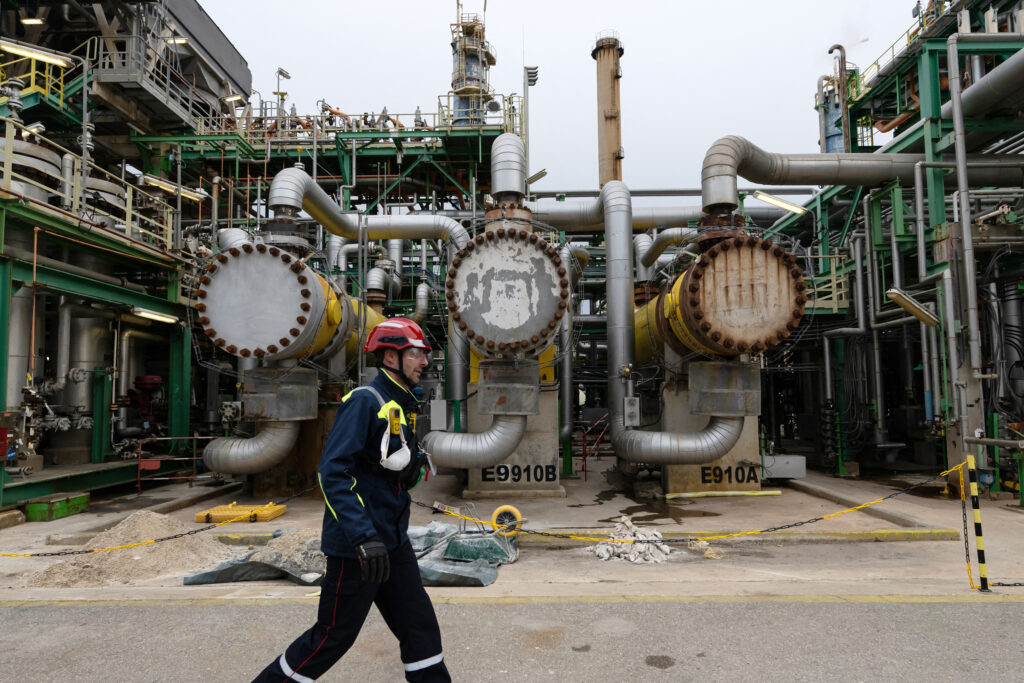
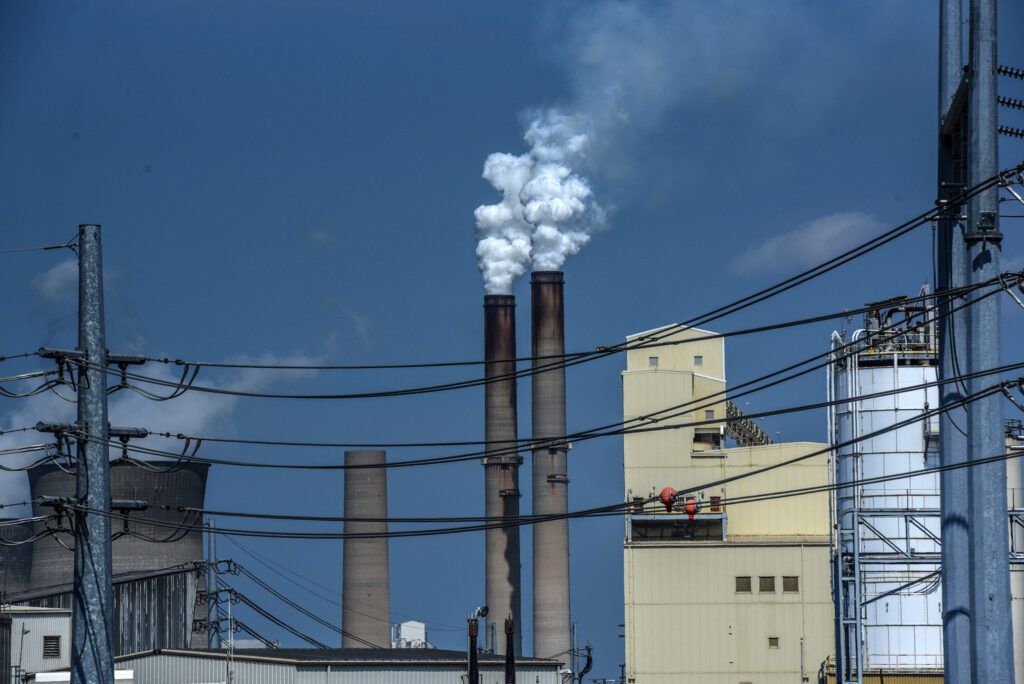
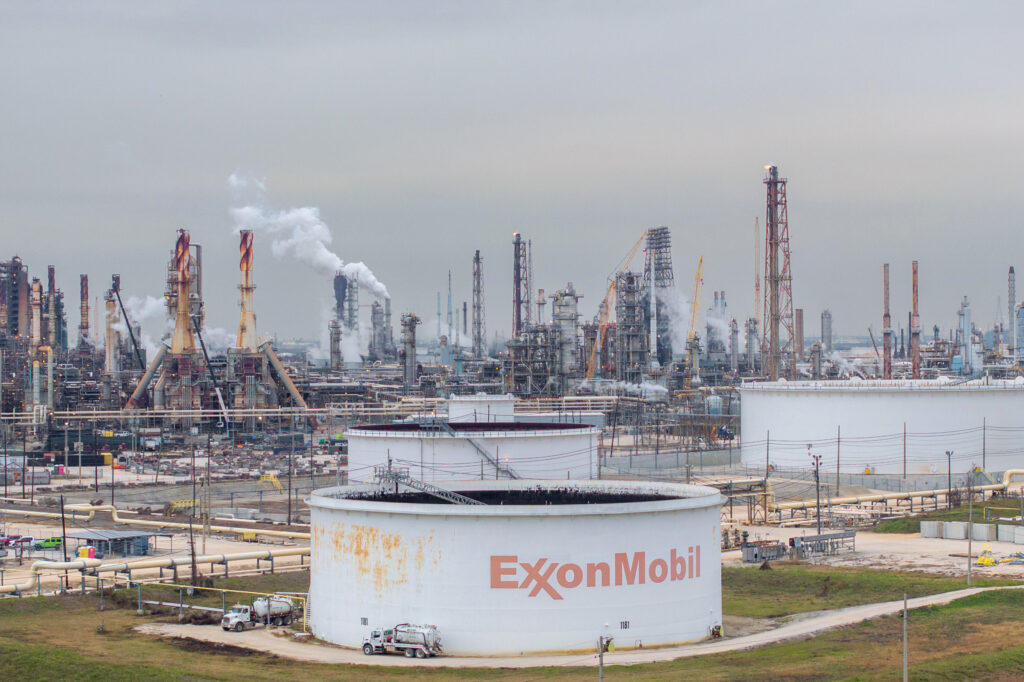
The change comes amid a wave of Republican-led efforts to reverse Biden-era constraints on fossil fuel production, part of a larger push under President Donald Trump to increase domestic drilling and scrap environmental guardrails that constrain the energy sector. Alaska is a key battleground for those efforts, with the Department of the Interior estimating that the National Petroleum Reserve holds up to 25 trillion cubic feet of natural gas and 8.7 billion barrels of oil that could be extracted.
But environmental groups have been swift to point out there’s more than just fossil fuels in the nation’s largest federally managed land area. “This vote will authorize the fossil fuel industry’s continued destruction of habitat and landscapes that are critical for wildlife to survive,” Robert Dewey of the U.S. conservation group Defenders of Wildlife, said in a statement following the Senate vote.
While Republican majorities pushed the measure through the Senate last month and on Tuesday through the House, a few Democrats also backed the environmental rollbacks. In the Senate, Pennsylvania Democrat John Fetterman voted with Republicans and on Tuesday, Texas Democrats Henry Cuellar and Vicente Gonzalez joined Jim Costa of California to vote in favor. President Trump is expected to sign the measure.
With the BLM’s 2022 protections erased, rules governing the reserve will revert to the 2020 plan adopted during Trump’s first term, which opened more than 80 percent of the lands to potential oil and gas leasing—including sensitive sections of the Teshekpuk Lake Special Area that had been off limits for decades.
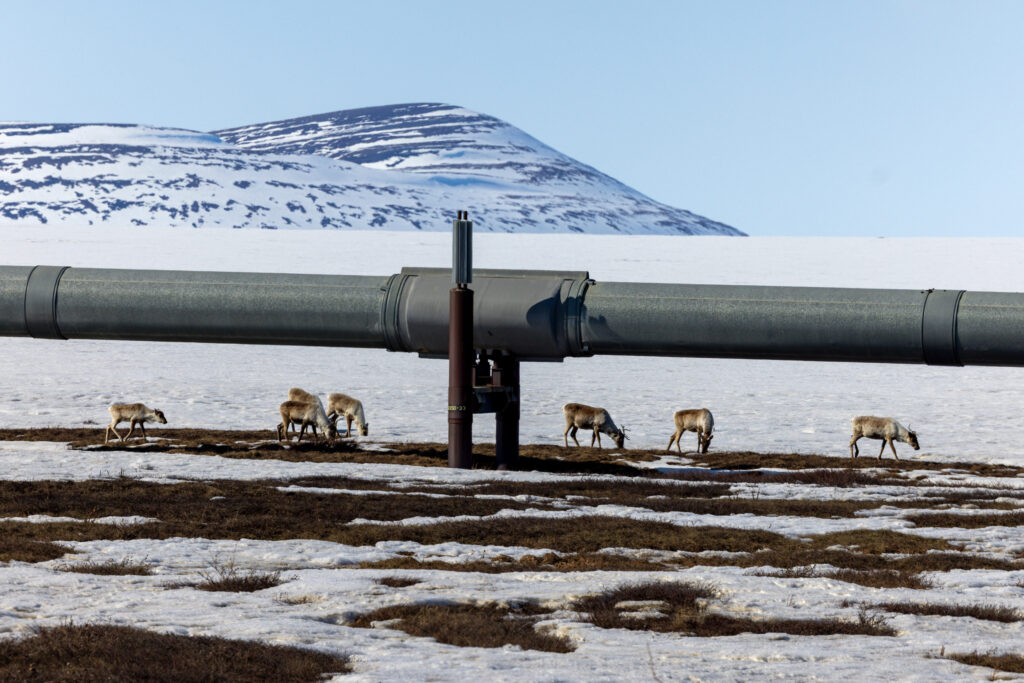
Environmental groups warned in 2020 that the plan would punch roads and pipelines through delicate wetlands, disrupt migration routes for caribou and waterfowl and fragment habitats in complex, interconnected ecosystems in the Arctic. Those concerns drove the Biden administration to put in place stronger protections for special areas with environmental or cultural significance. Three years later, those safeguards are on the verge of being dismantled entirely. Under the reversion to the 2020 plan, roughly 82 percent of the reserve will again be open to new drilling.
The National Petroleum Reserve has historically been framed as a dormant bank stocked with fuel, set aside in 1923 as a strategic oil supply for the U.S. Navy. But in recent decades, scientists and Indigenous communities have highlighted the cultural and ecological importance of the region. Coastal lagoons that shelter whales and walruses abut Arctic tundra home to polar bear and caribou populations. These ecosystems sustain the subsistence hunting and fishing that many Indigenous communities have relied on for generations.
The permafrost blanketing the reserve is also one of the world’s largest carbon stores. Oil development not only produces direct emissions from drilling in the ice, but can accelerate permafrost thaw, potentially releasing vast amounts of ancient carbon long locked in frozen tundra. Scientists warn that once released, that carbon cannot easily be recaptured.
The Biden administration in its approach to the reserve framed the areas as a globally significant climate refuge where oil and gas development needed to be tightly constrained. Tuesday’s vote is the latest signal that federal policy has shifted sharply away from those conservation principles and toward a landscape increasingly shaped by fossil fuel projects.
About This Story
Perhaps you noticed: This story, like all the news we publish, is free to read. That’s because Inside Climate News is a 501c3 nonprofit organization. We do not charge a subscription fee, lock our news behind a paywall, or clutter our website with ads. We make our news on climate and the environment freely available to you and anyone who wants it.
That’s not all. We also share our news for free with scores of other media organizations around the country. Many of them can’t afford to do environmental journalism of their own. We’ve built bureaus from coast to coast to report local stories, collaborate with local newsrooms and co-publish articles so that this vital work is shared as widely as possible.
Two of us launched ICN in 2007. Six years later we earned a Pulitzer Prize for National Reporting, and now we run the oldest and largest dedicated climate newsroom in the nation. We tell the story in all its complexity. We hold polluters accountable. We expose environmental injustice. We debunk misinformation. We scrutinize solutions and inspire action.
Donations from readers like you fund every aspect of what we do. If you don’t already, will you support our ongoing work, our reporting on the biggest crisis facing our planet, and help us reach even more readers in more places?
Please take a moment to make a tax-deductible donation. Every one of them makes a difference.
Thank you,

Carl David Goette-Luciak
Fellow
CD Goette-Luciak is an investigative reporter and a fellow at Inside Climate News. He has written for The Washington Post, the Miami Herald, The Guardian, Vox and NPR. He was an Investigative Reporting Fellow for the Toni Stabile Center for Investigative Journalism at Columbia University and a recipient of the Ferriss-UC Berkeley Journalism Fellowship. He also received an Overseas Press Club Foundation Fellowship to report for the Los Angeles Times from Mexico. Fluent in English, Spanish and German, he has covered stories in every country in the Americas, reporting on democracy, migration, climate change, human rights, organized crime and corruption. He previously reported for the Miami Herald, the Latin America Advisor and Radio La Ciudadana. He received a Master’s in Public Policy and a B.A. in Political and Social Thought from the University of Virginia, where he was a Jefferson Scholar.