

Campaigners from Friends of the Earth Scotland have raised the alarm about the omission of plastic from the Scottish government’s draft Circular Economy Strategy, published in October.
The festive season brings a “plastic peak” for households, a situation that looks likely to remain unchanged in Christmas 2026, unless certain key holes in the legislative programme are plugged, said the campaign group.
For most people, it is almost impossible to avoid single-use plastics, and much plastic waste is not recyclable.
The Scottish Government’s draft Circular Economy Strategy fails to mention plastic anywhere in the 50-page document.
99% of plastics are made from fossil fuels and take hundreds of years to degrade, ending up as microplastics. Microplastics have been found in food, drinking water and even our bodies. Scientists have linked them to cancer, immune system damage, reproductive problems, and developmental delays. Between 2016 and 2024, the quantity of microplastics found in brain samples doubled.
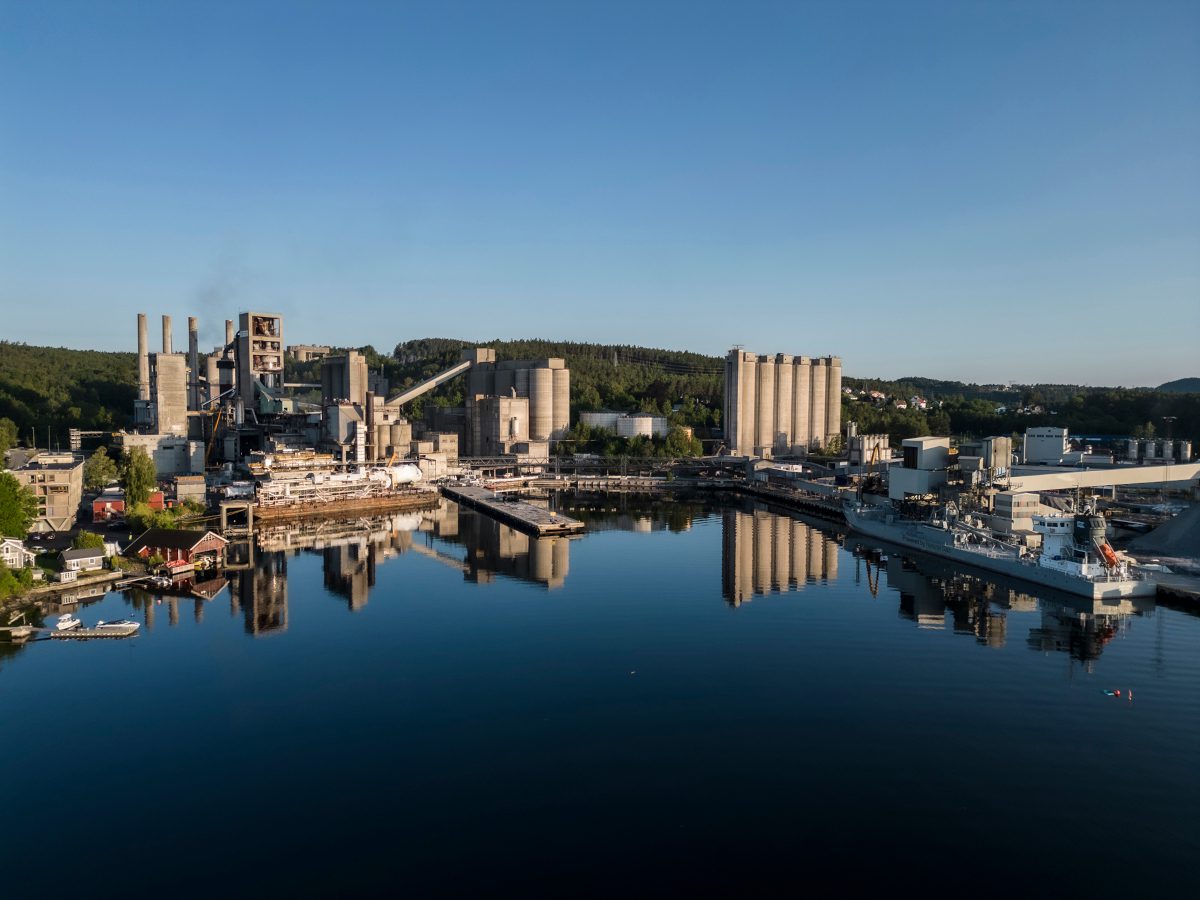
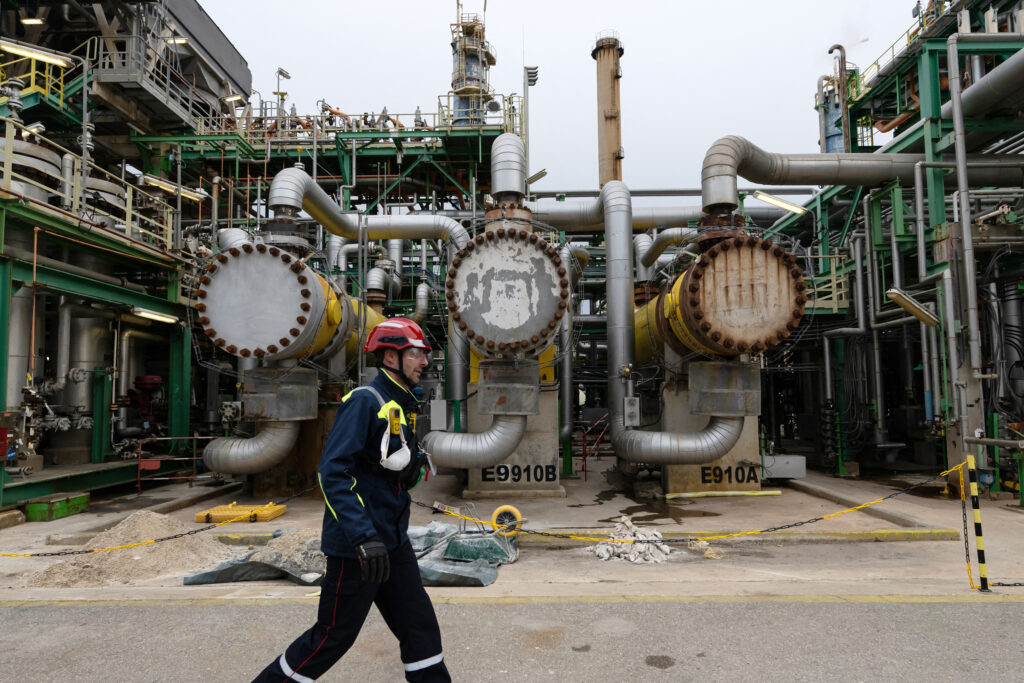
Coastal communities in Scotland are also feeling the impacts of plastic pollution in the form of tiny plastic pellets known as ‘nurdles’ which have been released into the environment from around the Grangemouth plastic production site for decades.
Campaigners are calling for the Circular Economy Strategy to incorporate policies on managing plastic in Scotland, in order to protect people from the damaging health, climate and pollution impacts of the material. This includes investing in reuse and repair services, making companies pay for the clean-up of the plastic products they sell and supporting councils to enforce single-use plastic bans properly.
Kim Pratt, senior circular economy campaigner at Friends of the Earth Scotland said:
“This is peak season for our homes being swamped in excessive plastic and things don’t look like changing any time soon. There is a huge plastic hole in the Scottish Government’s plans to cut waste and reduce use of natural resources.
“The best solution to the plastics crisis is to reduce how much plastic is made and used. Instead of loading individuals with the responsibility for tackling this mess, big businesses must be made to pay for the clean-up of their harmful products.
“Political failure to address plastics means people in Scotland will suffer from the health impacts of microplastic pollution. Plastics are made from fossil fuels so are worsening climate breakdown too. The plastics sector is responsible for a tidal wave of nurdle pollution around the Firth of Forth so it is grossly negligent for Ministers to ignore it.”