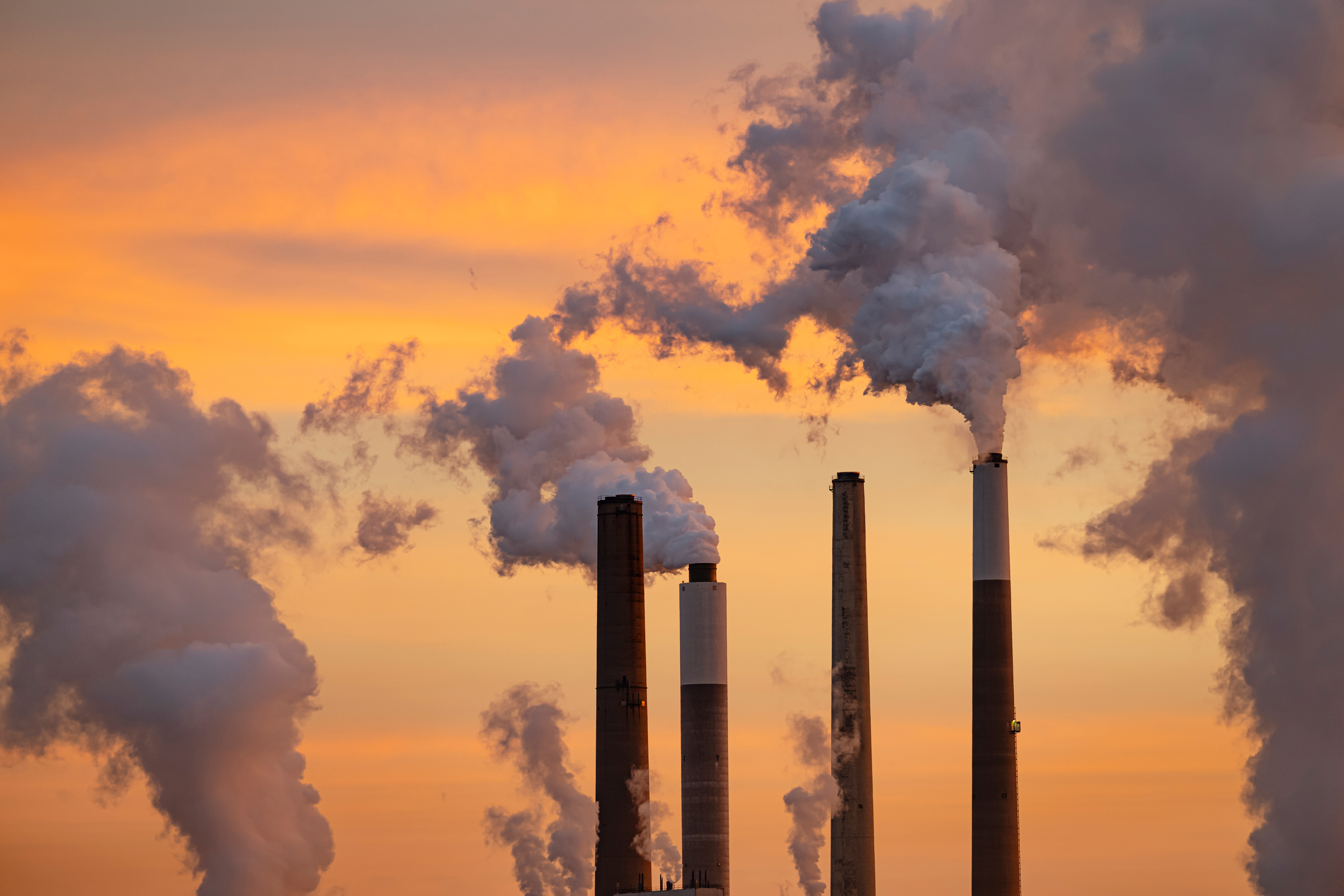


Surging electricity demand driven by artificial intelligence is putting humanity’s climate goals out of reach, extending the life of fossil fuels and driving up emissions in the U.S. power sector while contributing to deadly extreme weather, according to two new reports published Wednesday.
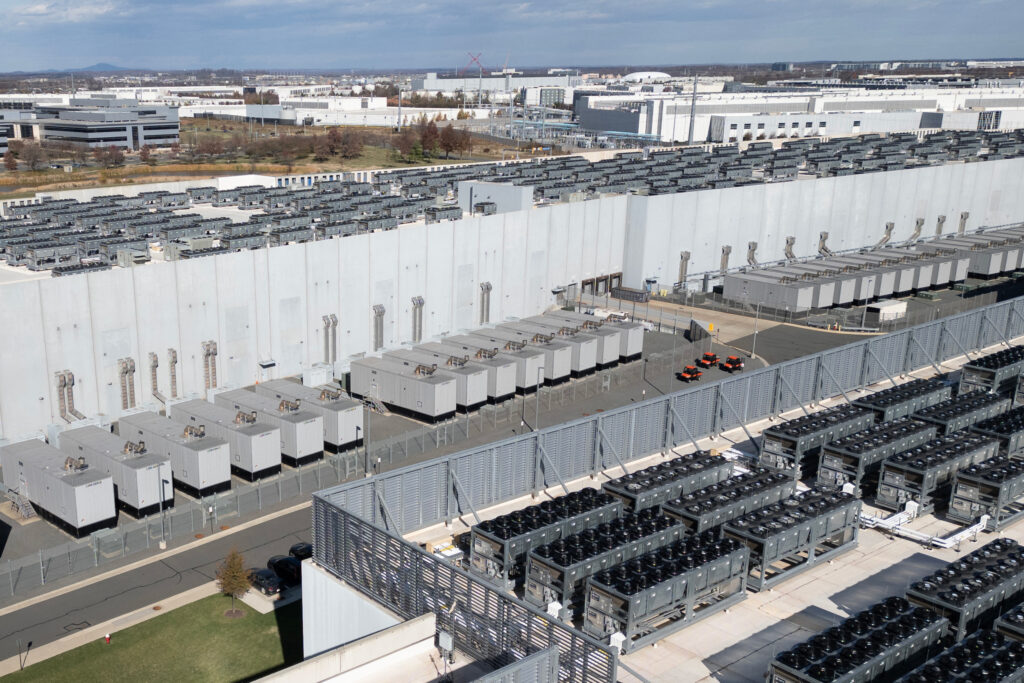
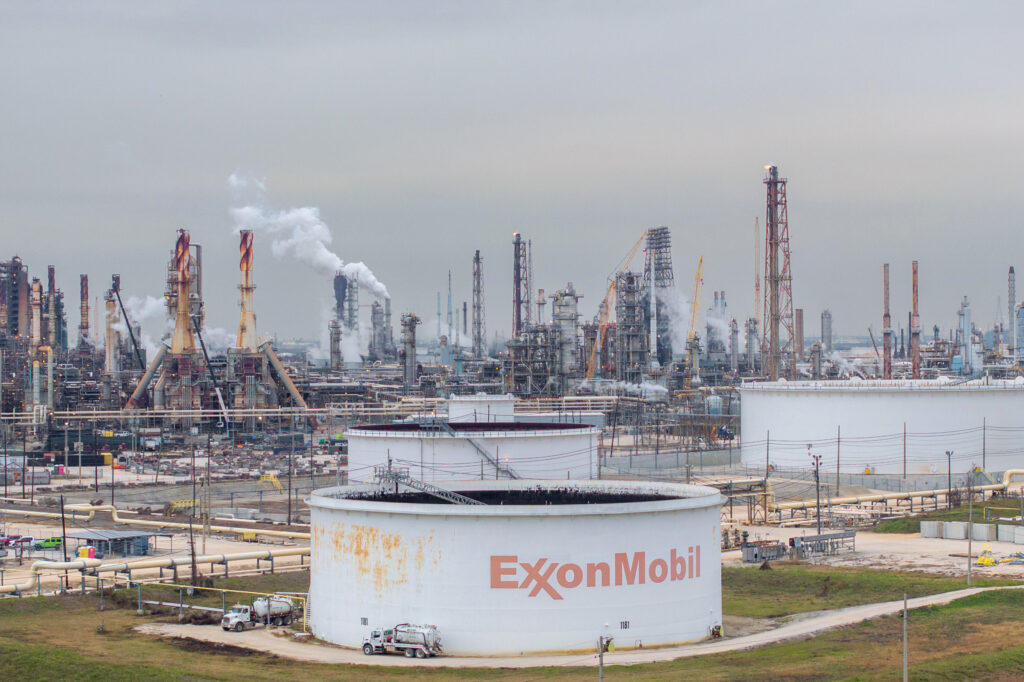
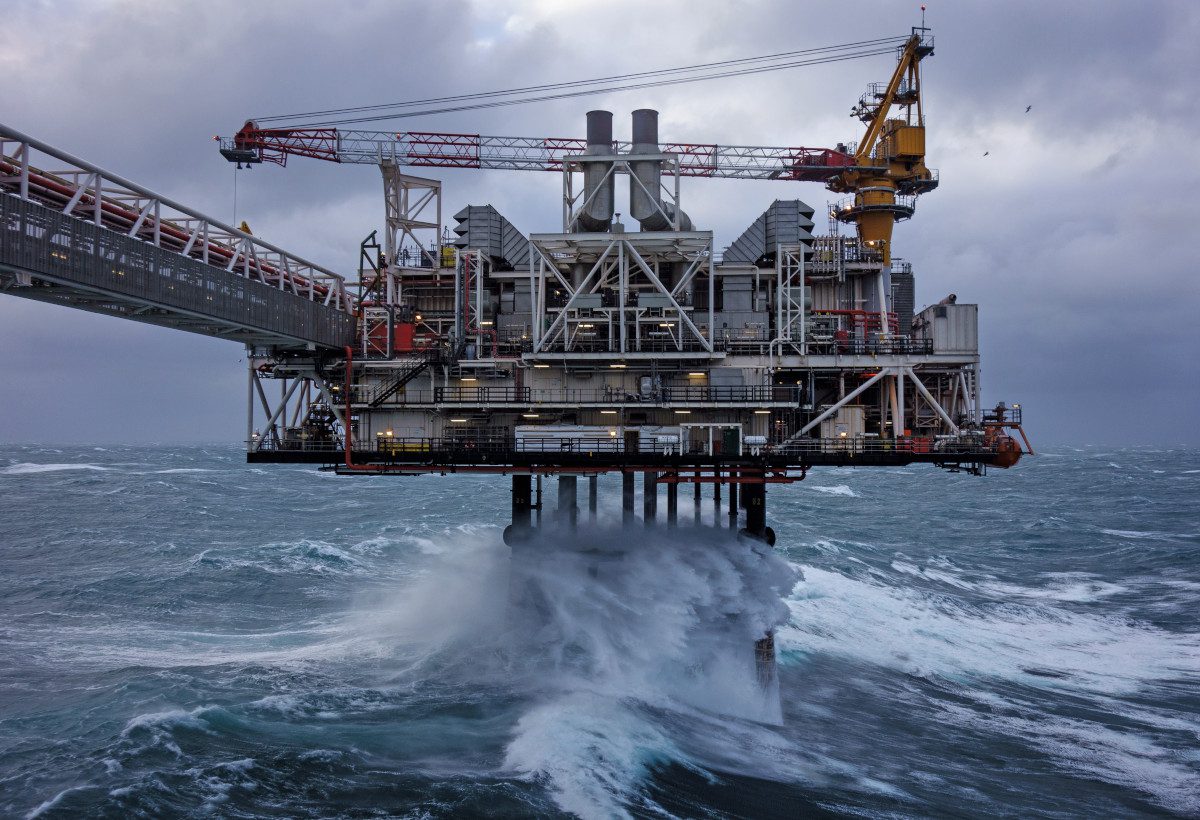
With power- and water-hungry data centers forecasted to come online at staggering speeds to serve big tech companies’ seemingly bottomless appetite for AI infrastructure, utility companies have turned to fossil fuels to help meet the explosion in demand for power.
It’s a sharp departure from earlier forecasts of only modest, gradual growth in electricity demand, potentially threatening large countries’ commitments to transition away from fossil fuels. President Donald Trump and his administration have spoken glowingly about how AI will reinvigorate U.S. coal and other fossil fuel markets.
“Accelerating from deployment to a deeply decarbonized, resilient energy system is proving far more complex than simply adding megawatts,” said Prakash Sharma, vice president for scenarios and technologies at Wood Mackenzie, an energy consulting firm, in a press release accompanying his company’s new report.
Wood Mackenzie’s analysis concluded that almost no countries—including Canada, France, Germany, Italy, Japan, the United Kingdom and the United States—were on track to meet their 2030 emissions goals. But if countries across the globe show “extraordinary ambition,” according to the report, and make significant, rapid investments in renewable energy, humanity could limit warming to within 1.5 degrees Celsius (2.7 degrees Fahrenheit) by around 2060.
The 2015 Paris Agreement called for holding Earth’s temperature rise below 2 degrees C (3.6 degrees F) above pre-industrial levels, and ideally to just 1.5 degrees C in order to preserve a livable planet. To do that, scientists estimated the global economy would need by 2050 to achieve “net-zero” carbon emissions, in which human activity produces a negligible amount of greenhouse gases that could be absorbed by natural ecosystems rather than persisting in the atmosphere.
Among the world’s largest economies, the U.S. has the biggest gap between current climate transition investments and the spending necessary to reach net-zero emissions. The country would need to increase its spending on reducing emissions by 76 percent to meet the net-zero goal, more than double the increase the European Union would need to make and more than two-and-a-half times the increased spending necessary in China.
“A new climate leadership is emerging,” Sharma said. “As the U.S. doubles down on fossil fuels, pushing allies to buy its LNG, China is seizing the low-carbon mantle through EV and solar dominance, plus aggressive renewables deployment.”
The United States has signaled a willingness to offer tax breaks and open public lands to data centers—warehouses of servers whose computing power drives AI services and much of the internet, many of which will be powered by fossil fuels, according to International Energy Agency estimates.
Data center energy demand “is threatening to sabotage the country’s already faltering climate goals,” wrote John Fleming and Jean Su, with the Center for Biological Diversity, in a report published Wednesday. Fleming and Su found that, if AI data centers powered by fossil fuels grow as forecasted, all other sectors of the U.S. economy would need to cut emissions by 60 percent in order for the U.S. to meet its emissions targets.
“A gas-fed AI boom is going to hurdle us past any chance of keeping to our climate goal or maintaining a safe and healthy future for our planet,” said Fleming, a senior scientist with the Center for Biological Diversity, in a statement. “To the extent that data center buildout is needed at all, it should be powered only by clean, renewable energy.”
McKenna Beck, the Ralph Cavanagh climate solutions fellow at the Natural Resources Defense Council, who was not involved in either report, agreed with that conclusion, and warned that the current demand for AI runs the risk of spoiling climate pledges at the local level, too.
“The reports confirm what we’ve been seeing in states on the ground for the past year—that there’s a real risk of states with stated climate goals backsliding on those,” she said. As an example, Beck brought up North Carolina, which erased its 2030 climate goals this summer in the face of rising electricity demand.
Beck believes that, if given the right guardrails, AI electricity demand is not destined to add a ton of emissions to the U.S. economy. “With the right incentives and requirements, data centers could actually supercharge clean energy,” she said.
But with the Trump administration actively working to stifle renewable energy growth, Beck acknowledged that any good-governance AI policies would need to be implemented on a smaller scale.
“States are on the front lines right now,” she said.
About This Story
Perhaps you noticed: This story, like all the news we publish, is free to read. That’s because Inside Climate News is a 501c3 nonprofit organization. We do not charge a subscription fee, lock our news behind a paywall, or clutter our website with ads. We make our news on climate and the environment freely available to you and anyone who wants it.
That’s not all. We also share our news for free with scores of other media organizations around the country. Many of them can’t afford to do environmental journalism of their own. We’ve built bureaus from coast to coast to report local stories, collaborate with local newsrooms and co-publish articles so that this vital work is shared as widely as possible.
Two of us launched ICN in 2007. Six years later we earned a Pulitzer Prize for National Reporting, and now we run the oldest and largest dedicated climate newsroom in the nation. We tell the story in all its complexity. We hold polluters accountable. We expose environmental injustice. We debunk misinformation. We scrutinize solutions and inspire action.
Donations from readers like you fund every aspect of what we do. If you don’t already, will you support our ongoing work, our reporting on the biggest crisis facing our planet, and help us reach even more readers in more places?
Please take a moment to make a tax-deductible donation. Every one of them makes a difference.
Thank you,

Jake Bolster
Reporter, Wyoming and the West
Jake Bolster reports on Wyoming and the West for Inside Climate News. Previously, he worked as a freelancer, covering climate change, energy, and the environment across the United States. He holds a Masters in Journalism from Columbia University.