


The future of UK oil and gas production looks likely to be a significant political battleground in the next election. Recent weeks have seen interventions in the debate from The Tony Blair Institute for Global Change (TBI), and free-market think tank the Institute for Economic Affairs (IEA), calling on the government to reverse its ban on new North Sea exploration licences.
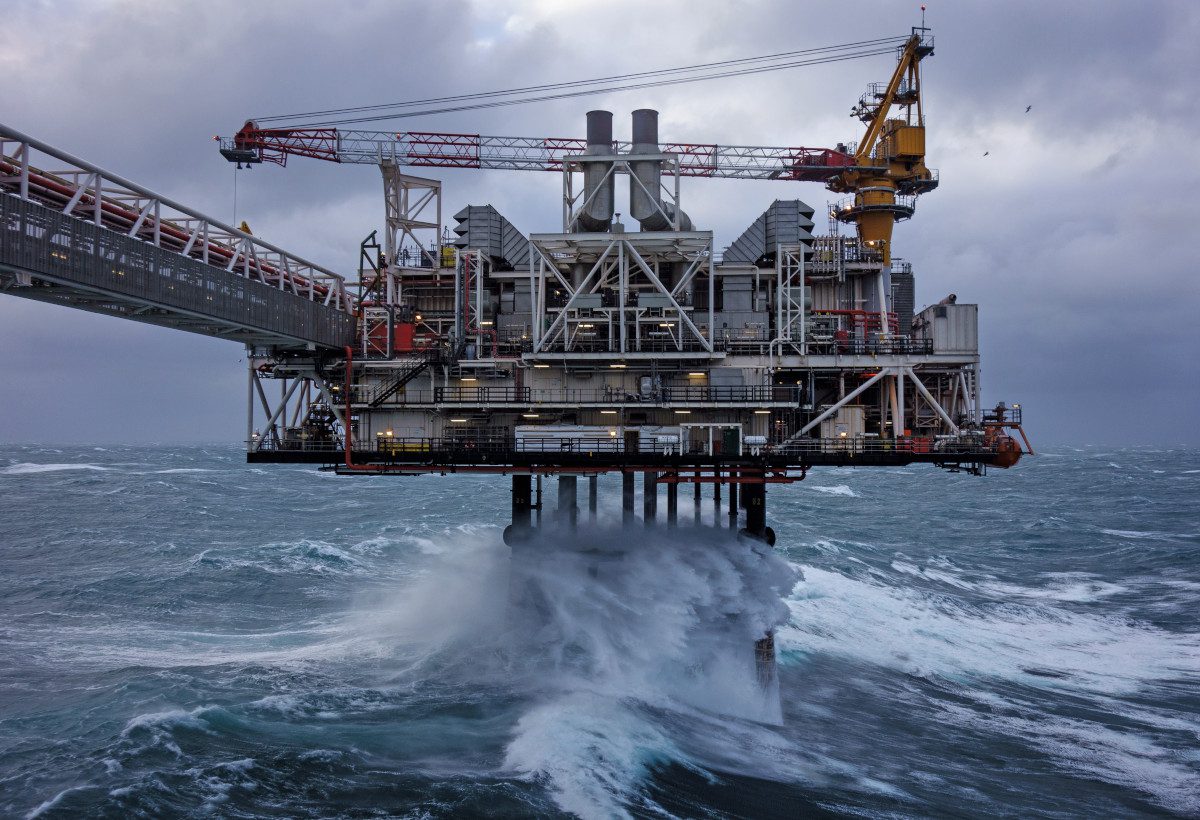
An election manifesto pledge of the current Labour government, the ban on new exploration licences has so far succumbed to one or two caveats, including a decision in November to permit drilling in fields immediately adjacent to existing ones. North Sea exploration has also been subject to a windfall tax, introduced by Rishi Sunak’s 2022 government, which Labour chose to extend until 2030.
In a 13 February statement, the TBI called on the government to reverse the ban, and scrap the tax. The document states: “An energy strategy that ignores revenue security and political consent in pursuit of symbolic purity will not endure – and it will not deliver the climate outcomes it promises.”
A similar stance is taken by a 17 February discussion paper published by the Institute of Economic Affairs (IEA). The document Just Stop Oil? states that “there are no credible forecasts that do not show some demand for oil and gas in the UK in 2050, even under net zero-compliant scenarios.” Ending UK oil and gas production would damage the economy, increase global emissions and threaten Britain’s energy security.
Authored by energy expert Kathryn Porter of Watt-Logic, the paper says forcing premature decline in North Sea production will not cut global emissions – it will increase them. She cited CCC figures which appear to show that imported oil and gas carries a carbon footprint around 50% higher than domestic production.
Particular criticism is made of the windfall tax, which the paper says has raised the headline rate of taxation on North Sea production to 78%. “Rather than punishing the populist targets of Shell and BP, it has devastated independent producers,” said a statement following the paper’s publication.
She cites independent producers such as Harbour Energy, which paid four times more UK tax in 2022 than Shell despite revenues over sixty times smaller. The group also saw a reduction in profits from $101 million to $8 million, and has cut over 700 UK jobs and shifted investment to Indonesia and Mexico. Apache is to end its North Sea operations by 2029, while Chevron is closing-up in Aberdeen after 55 years.
Energy security is also threatened, says an announcement about the IEA paper: “As offshore pipeline infrastructure loses throughput, it risks cascading closures that strand viable fields. The National Energy System Operator has warned that by 2030 there could be insufficient gas to meet UK demand on cold days, with industry analysts expecting the risk to emerge as early as winter 2026/27.”
Kathryn Porter said: “Oil and gas producers are not the enemy – they produce goods used by all of us every day. The windfall tax was supposed to target Shell and BP but instead it has hammered independents, driven investment overseas and vastly accelerated the decline of important tax receipts. Unless we change course rapidly, Britain will be increasingly reliant on dirtier, more expensive imports – and less secure on cold winter days when we need energy most.”
Both the IEA and TBI reports argue for a more “pragmatic” approach to the UK energy transition, with support for ongoing domestic oil and gas production.
The TBI recommendations would, if heeded, move the government closer to the position of the Conservatives, which promises to allow new exploration drilling, and to slow the pace of decarbonisation. Reform UK promises to go significantly further, with a promise to fast-track new North Sea oil and gas licences and to “unlock Britain’s vast oil and gas reserves.”
The government’s position has been that further oil and gas exploration will “not take a penny off bills”, and cannot safeguard energy security, and that’s before any mention of the climate crisis.
With energy security, costs and climate targets colliding, the future of North Sea oil and gas seems likely to be one of the defining fault lines in the political territory ahead.