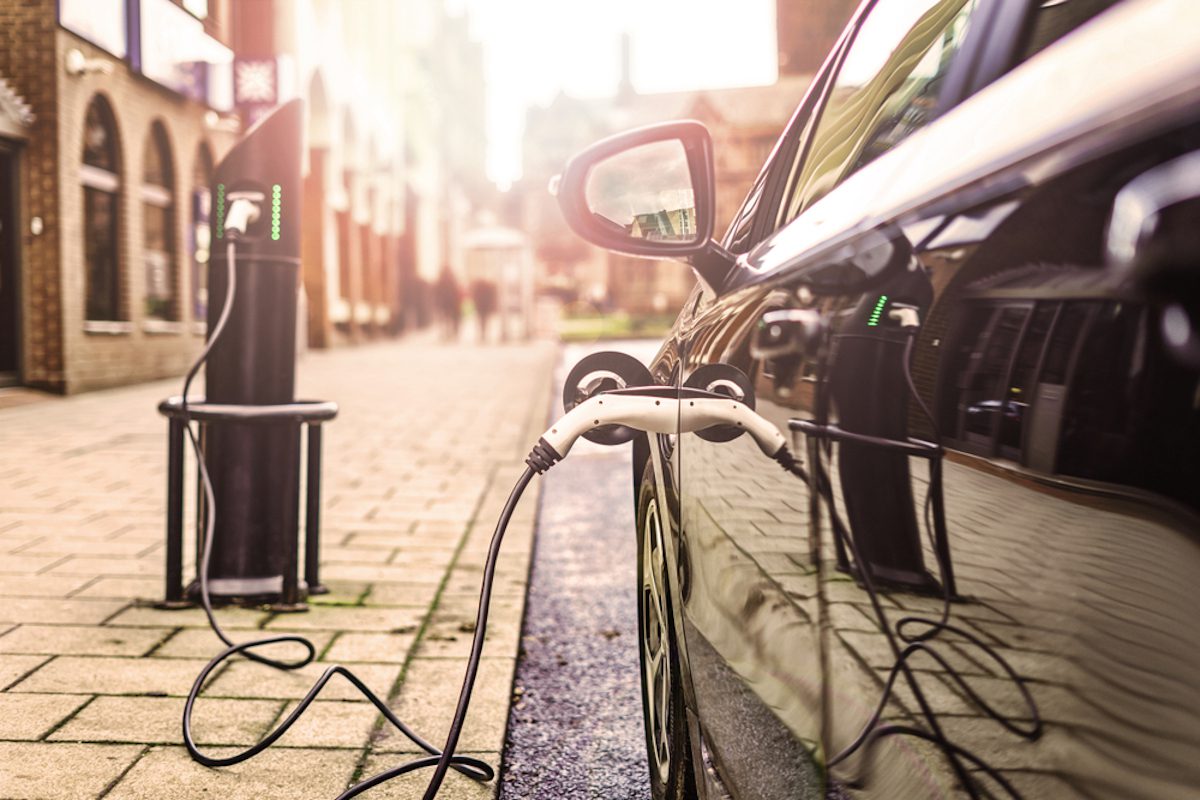



Battery electric vehicles (BEVs) and plug-in hybrid electric vehicles (PHEVs) accounted for nearly one-third of all new car registrations in January 2026, an independent transport research organisation has reported, marking what seems a significant milestone in consumer acceptance.
According to data published by New AutoMotive, an independent transport research organisation focused on accelerating the shift to electric vehicles, BEVs and PHEVs together accounted for 32% of all new cars registered in January 2026, which compares with an average of one-quarter of all registrations throughout 2025.
Data from New AutoMotive show that battery-electric vehicles (BEVs) comprised 20.9% of new cars in January 2026, while plug-in hybrid electric vehicles (PHEVs) contributed 11.9%. When grouped together, this exceeds the proportion of new registrations that were petrol vehicles, which were 28.1% of new registrations. Hybrid electric vehicles (HEVs) exhibited a 33.9% market share, the highest for any vehicle type.1
Nationwide registration figures compiled by the Society of Motor Manufacturers and Traders (SMMT) show overall new car sales rose 3.4% in January to 144,127 units,2 and electric vehicles seem to have been central to a narrative that the automotive market is rapidly evolving, and buyers are making a shift away from petrol and diesel.
Despite the overall growth, data from SMMT indicate that fully electric vehicles (BEVs) — excluding plug-in hybrids — saw a relatively modest (0.1%) rise compared with a surge in the latter half of 2025. Nevertheless, when combined with PHEVs – for which the group recorded the largest growth – the electrified share accounts for a growing slice of the total market.
The New AutoMotive figures arrive in a context where broader automotive statistics suggest a complex picture for electrification. Some other markets, such as Norway, have already recorded striking EV dominance — with petrol-powered cars almost disappearing from their sales mix in January — while European markets overall continue to expand electrified offerings in response to regulatory pressure and consumer demand.3
Industry watchers note that the growing BEV and PHEV share may have implications for government climate targets and regulatory deadlines. The UK has set phased targets under its Zero Emission Vehicle (ZEV) Mandate aimed at driving up low-emission car sales through the mid-2020s — a policy environment that likely supports the recent shift in registration patterns. Analysts at SMMT have projected that electrified vehicles, including BEVs and hybrids, could command a much larger portion of the market by the end of 2026, bolstered by broader model availability and incentive structures.4
Despite these gains, the path to electrification remains uneven across manufacturers and segments, and market share figures vary from month to month. Still, the January 2026 data from New AutoMotive provides a clear indicator that electrified drivetrains are gaining a surer foothold in what has traditionally been a petrol-dominated market.
Notes
[1] “BEVs and PHEVs account for nearly one-third of January new car registrations in the UK”, Infrastructure News, 6 February. Link: https://www.evinfrastructurenews.com/supply/bevs-and-phevs-account-for-nearly-one-third-of-january-new-car-registrations-in-the-uk?utm_source=chatgpt.com
[2] Link: https://www.smmt.co.uk/new-car-market-starts-year-with-growth-but-ev-share-falls/?utm_source=chatgpt.com
[3] “Only seven new petrol-powered cars sold in Norway in January”, The Guardian, 6 February. Link: https://www.theguardian.com/world/2026/feb/06/only-seven-petrol-powered-cars-sold-in-norway-in-january?utm_source=chatgpt.com
[4] “The UK’s 10 most popular cars in 2026 (so far)”, The Times, February 2026. Link: https://www.thetimes.com/life-style/driving/article/most-popular-cars-in-2026-kfnnw8kkp?utm_source=chatgpt.com.