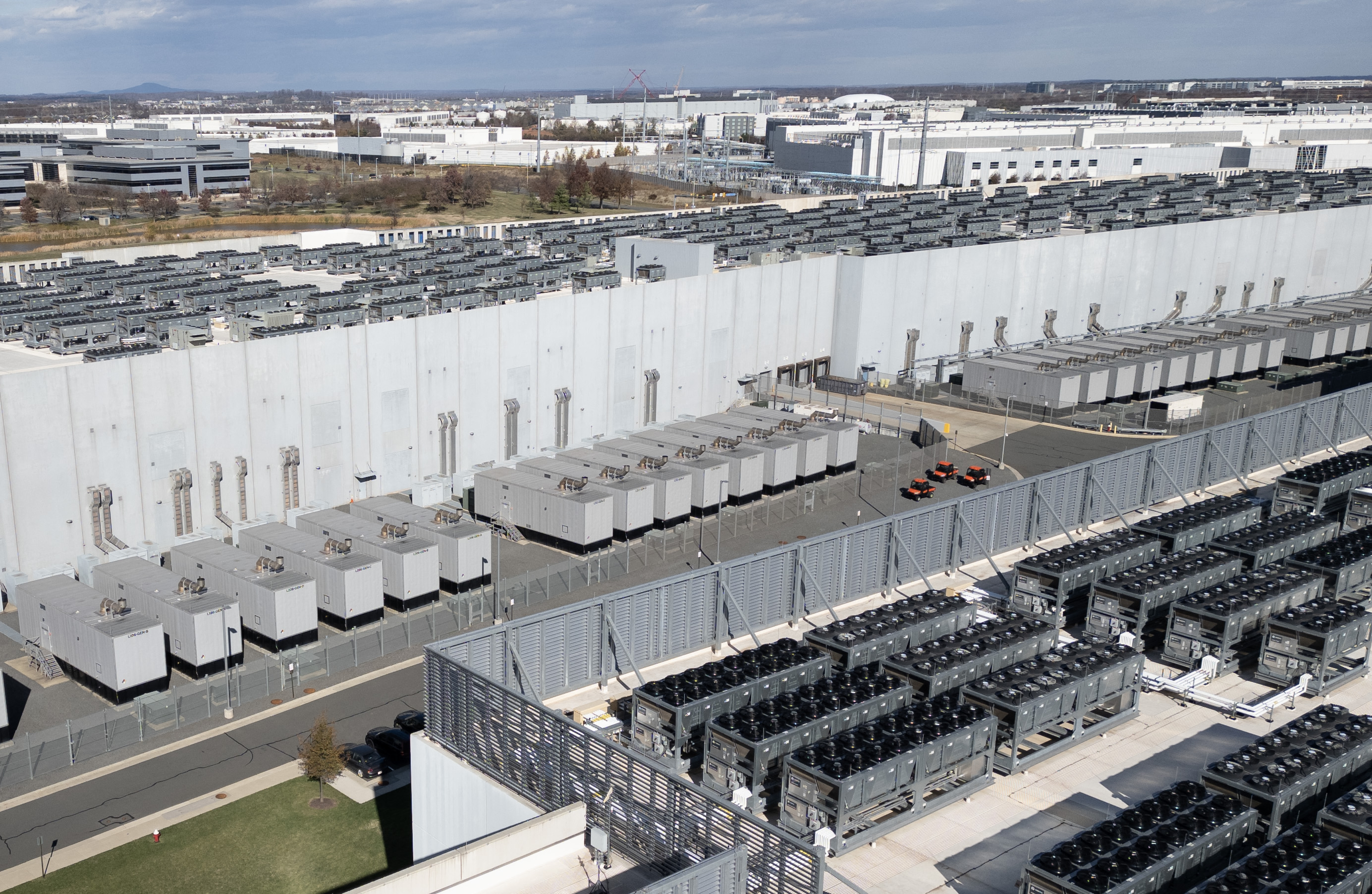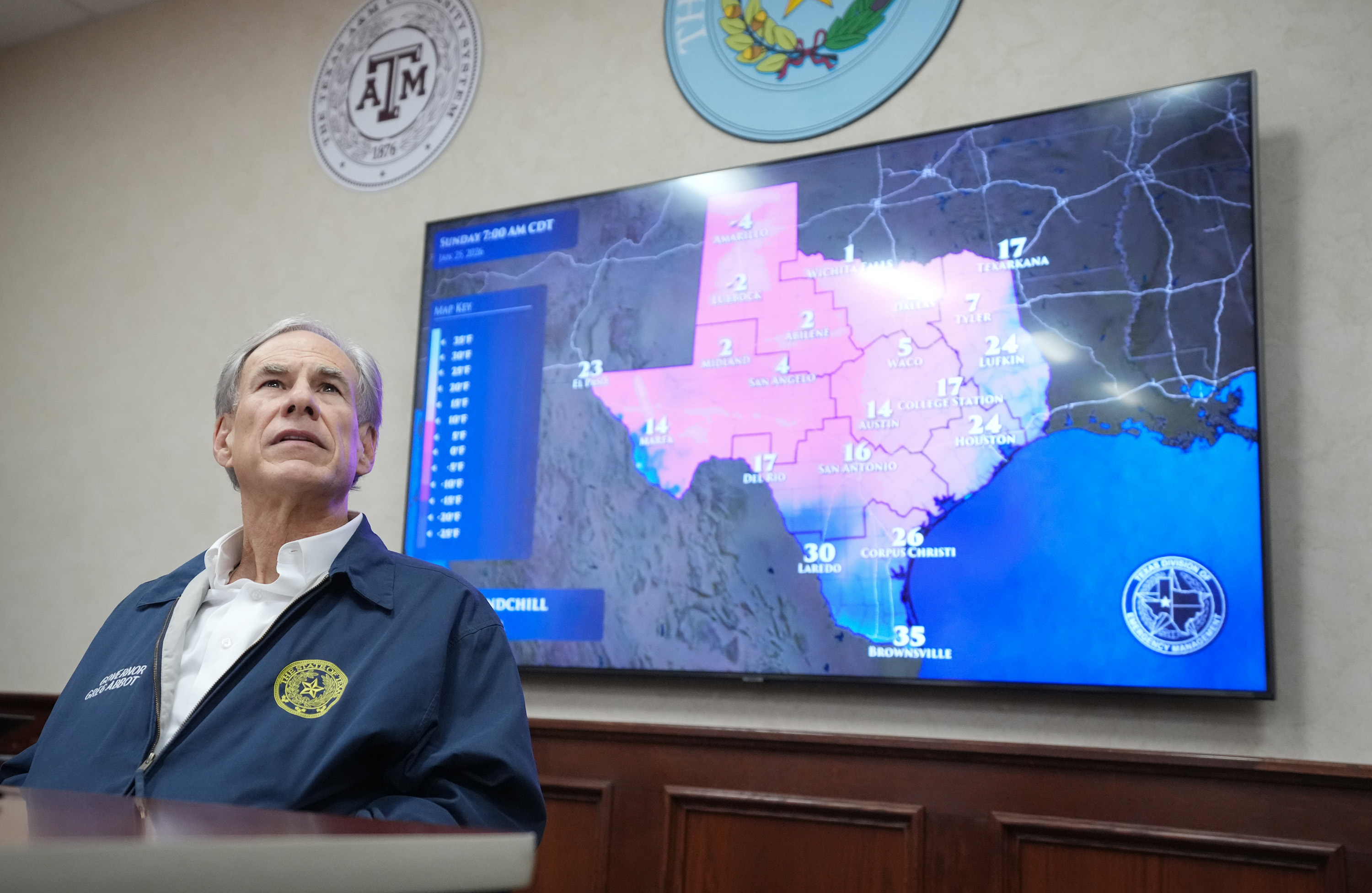


RICHMOND, Va.—The U.S. Department of Energy used the Federal Power Act on Monday to allow data centers within the regional grid operated by PJM Interconnection, including those in Virginia, to use generators at PJM’s discretion through Jan. 31. The allowance comes amid PJM’s record forecasts and demands for electricity and heat during freezing temps.
This will enable data centers in Virginia, which has more of the giant server farms than any other state or nation, to run solely on their diesel backup generators in an emergency situation during the remnants of Fern’s cold weather through Jan. 31. The state’s environmental regulators won’t necessarily be notified when those generators start up, state officials said.
Currently, data centers in Virginia are allowed to run their so-called Tier II generators with pollution controls and cleaner Tier IV generators outside of emergencies for extended periods of time before reaching air quality limits. The dirtier Tier II generators, without the controls, can only run during emergencies, which is limited to 500 hours.
“As Secretary Wright explained in a letter to the nation’s grid operators, DOE has identified more than [35 gigawatts] of backup power at data center and industrial sites that can now be leveraged during emergencies to stabilize the grid and save costs for American families,” Alex Fitzsimmons, acting under secretary of energy, said in a statement emailed to Inside Climate News. “At the request of grid operators in the Mid-Atlantic, Texas, and the Carolinas, DOE issued three orders authorizing those regions to tap backup power in response to Winter Storm Fern.”
Environmental groups are concerned that the federal government’s allowance for the diesel generators to be a primary source of power for data centers this week invites more air pollution. Some of the state’s data centers and their generators are within feet of homes in Northern Virginia.
“I don’t think it is in the interest of Northern Virginia to have diesel generators running twenty-four seven as primary power or de facto primary,” said Ann Bennett, data center chair for the Virginia Chapter of the Sierra Club. “It’s a scary proposition.”
Virginia is considered the data center capital of the world with 568 such facilities, according to datacentermap.com. The energy-intensive server farms have diesel generators on standby in the event of any grid power outages, because the warehouse-like facilities processing the internet and artificial intelligence require electricity 24 hours a day, seven days a week.
According to new research from Virginia Commonwealth University Professor Damian Pitt, the Virginia Department of Environmental Quality issued 170 air permits for data centers with generators across the state as of June 2025. About 138 of them were considered to be in Northern Virginia. The number of generators correlated with data center permits across the state is about 10,000, Bennet said, with about 2,000 being the non-emergency generators, since one data center will have several of them.
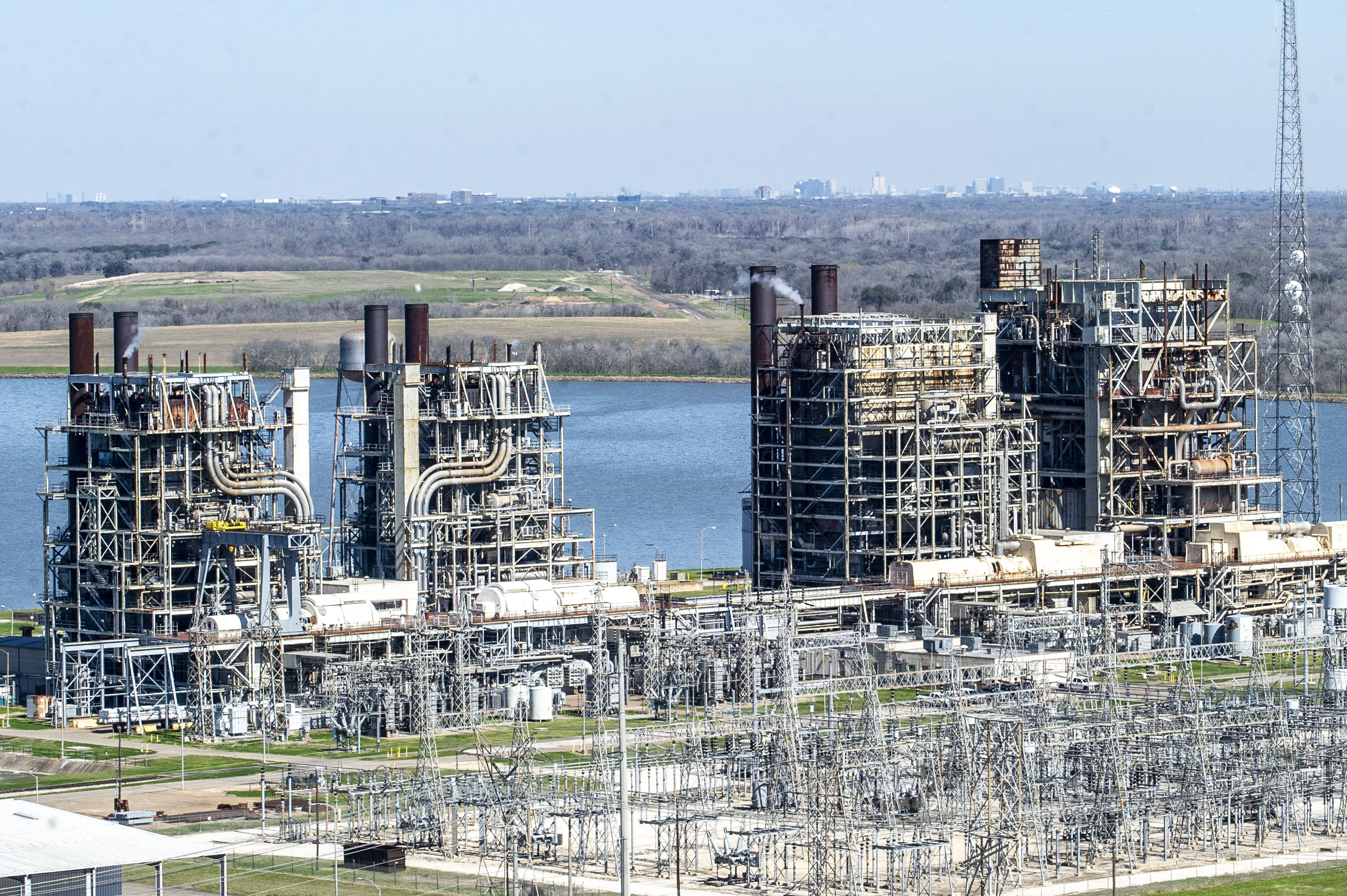
Those generators release harmful pollutants, including nitrous oxide, which PItt found happening in amounts larger than those from a natural gas power plant.
“Notably, the cumulative emissions exposure in certain neighborhoods near clusters of data centers is already comparable to, and sometimes exceeds, the neighborhood-level emissions exposure from the Dominion Possum Point power station and other notable facilities in the region,” Pitt said in an email.
The research is particularly relevant in light of DOE’s announcement on Monday because Pitt found that the generators run only 4 percent to 7 percent of the time that their permits allow for. At full tilt, data center’s generators would release far more pollutants, Pitt’s research shows.
“The total data center emissions allowed under their DEQ air pollution permits is quite substantial, and greatly exceeds that of any of the natural gas power plants and other notable facilities in the region, particularly for [carbon monoxide] and [nitrogen oxides],” said Pitt.
The approval letter from Energy Secretary Chris Wright came after a request from Michael Bryson, PJM senior vice president of operations. Specifics on how it will implement DOE’s approval aren’t immediately clear.
“We are working with the DOE, data centers and the transmission owners (like local utilities) to establish a process,” PJM spokesperson Jeff Shields said Wednesday in an email.
“This would be a last resort specifically to avoid outages for residential customers,” Shields continued. “No data customers have been asked to move to backup generators and we don’t expect to have to make that request, but it could prove useful as a last resort if it avoids outages for other customers.”
Requests for comment from local electric co-operatives Dominion Energy and the North American Electricity Reliability Corporation were not returned Wednesday.
This story is funded by readers like you.
Our nonprofit newsroom provides award-winning climate coverage free of charge and advertising. We rely on donations from readers like you to keep going. Please donate now to support our work.
Donate Now
The Virginia’s Department of Environmental Quality does not know how many generators may fire up under this new authority. According to a spokeswoman, data centers aren’t required to report such information.
“Facilities that operate their backup generators, whether in response to a declared power emergency or otherwise, are not required to provide notice of operation to DEQ, so we do not currently have information on the number of diesel generators that ran during the storm,” spokesperson Irina Calos said in a statement.
That’s where a bill by Del. John McAuliff, D-Loudoun County, could come in. The freshman delegate defeated a Republican incumbent in November by prioritizing a desire to strengthen oversight of data centers. His bill would require notification to DEQ and require air monitoring in the area.
“Right now, if … every diesel generator in Ashburn is on, you should know that,” McAuliff said in an interview. “Right now, there’s no one telling you.”
About This Story
Perhaps you noticed: This story, like all the news we publish, is free to read. That’s because Inside Climate News is a 501c3 nonprofit organization. We do not charge a subscription fee, lock our news behind a paywall, or clutter our website with ads. We make our news on climate and the environment freely available to you and anyone who wants it.
That’s not all. We also share our news for free with scores of other media organizations around the country. Many of them can’t afford to do environmental journalism of their own. We’ve built bureaus from coast to coast to report local stories, collaborate with local newsrooms and co-publish articles so that this vital work is shared as widely as possible.
Two of us launched ICN in 2007. Six years later we earned a Pulitzer Prize for National Reporting, and now we run the oldest and largest dedicated climate newsroom in the nation. We tell the story in all its complexity. We hold polluters accountable. We expose environmental injustice. We debunk misinformation. We scrutinize solutions and inspire action.
Donations from readers like you fund every aspect of what we do. If you don’t already, will you support our ongoing work, our reporting on the biggest crisis facing our planet, and help us reach even more readers in more places?
Please take a moment to make a tax-deductible donation. Every one of them makes a difference.
Thank you,

Charles Paullin
Virginia Correspondent
Charles Paullin is a Richmond, Virginia-based reporter focusing on energy and environment issues. He’s won several awards for his previous work covering state policy with the Virginia Mercury and local news with the Northern Virginia Daily in the Northern Shenandoah Valley. His first reporting gig was with the New Britain Herald in Connecticut, a couple years after attending the University of Hartford, where he first studied sports journalism.