

To mark Clean Air Night (22 January), Healthy Air Scotland, a coalition of public health, transport and environmental charities is calling on the Scottish Government to address the public health impacts caused by domestic burning.
The call from Healthy Air Scotland comes as the coalition launches its manifesto ahead of the Scottish election in May. The campaigners are calling on the next Scottish Government to take seriously the dangers of burning solid fuels by banning new stoves in properties, with an exception for homes off-grid and in remote and rural areas known to experience lengthy power cuts.
A key ask by the coalition is for the Scottish Government to invest in campaigns to alert the public to the health harms resulting from breathing in harmful emissions produced by burning solid fuels, particularly those who don’t need to burn wood or coal for their main source of heat.
Fine particulate matter (PM2.5) can cause breathing problems and lead to the development of asthma or chronic obstructive pulmonary disease (COPD).1
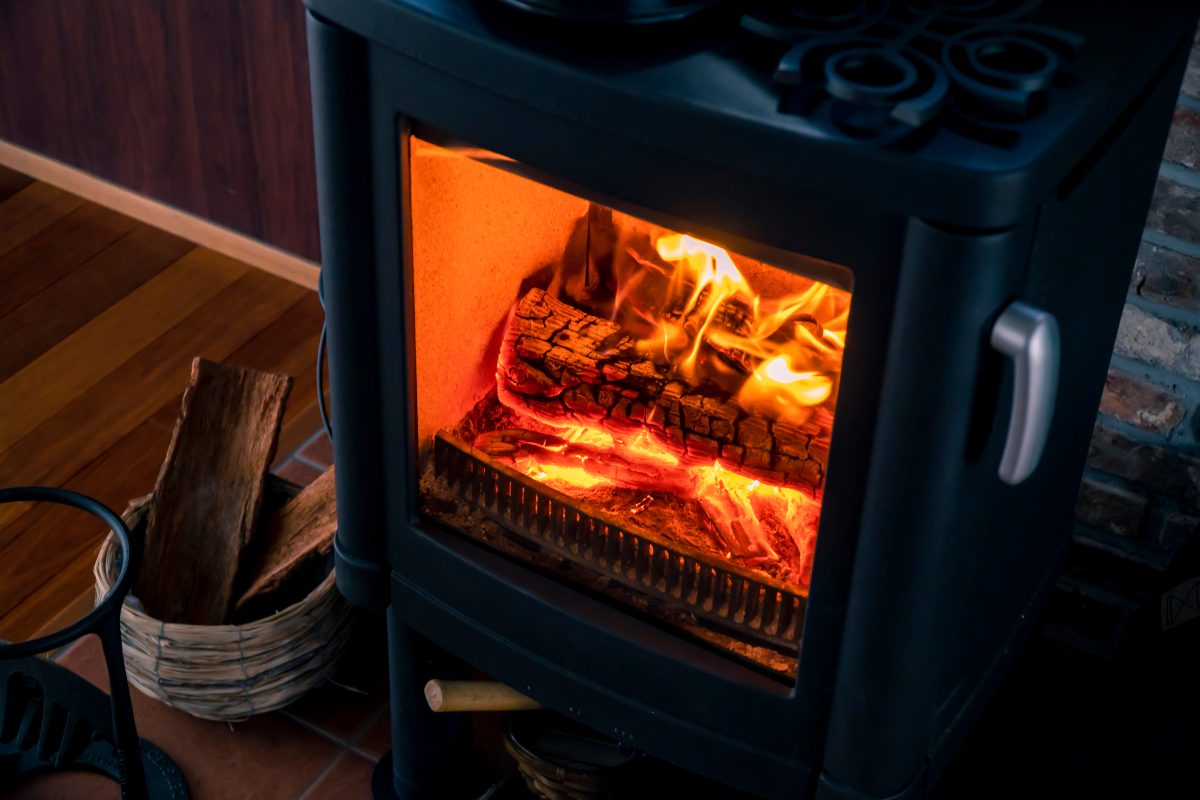
Domestic wood burning has become the single biggest source of small particle air pollution in the UK, producing more than road traffic.2
One of the coalition founders, Asthma + Lung UK Scotland, has shared new polling data, undertaken by Opinion Matters, which appears to show that more than half of Scots (53%) surveyed are concerned there was not enough awareness about the health impacts of wood burning stoves. When asked if burning solid fuels should be phased out due to harmful pollutants, 49% agreed, with 22% disagreeing.
According to Asthma + Lung UK Scotland, a leading lung health charity, burning wood increases the levels of dangerous pollutants in the home as well as in the air outside, which can negatively affect those who live, work and play nearby but choose not to use wood burners.
The coalition is calling on parties to adopt its key recommendations on domestic burning in their party manifesto ahead of the May election:
- Deliver a public awareness campaign on the health impacts of air pollution, including using woodburning stoves and open fires
- Ban the installation of new stoves in new properties except those off grid or in areas that experience power shortages
- Implement a stove scrappage scheme
- Monitor air quality in areas around schools, nurseries, hospitals and care homes.
Gareth Brown, Chair of Healthy Air Scotland and Policy and Public Affairs Officer at Asthma + Lung UK Scotland, said:
“Although people are concerned about their lung health and air pollution, less than half of people questioned in our survey were aware of the dangers of wood burning stoves, this is extremely worrying.
“The idea of a cosy wood burner in our homes might sound appealing, but the reality is it could be putting you, your family and neighbours’ lung health at risk. Burning solid fuels like wood, generates air pollution both inside and outside homes, particularly PM2.5, which is one of the most harmful pollutants to human health.
“Many people incorrectly think wood burning stoves are a better alternative to coal or gas and are unaware of the dangers it can cause to their health. Lungs can be irritated by the fumes from wood burners forcing some people with lung conditions to stay inside or risk worsening their symptoms.
“That’s why we are urging the political parties in Scotland to prioritise educating the public about the health risks of air pollution, with a particular focus on the harmful effects of domestic woodburning.”
Professor Jill Belch, Chair of the Air Pollution Working Group at the Royal College of Physicians of Edinburgh, said:
“Wood burning silently damages health, in the home and in the community. These tiny particles are invisible but are produced in significant quantities by home wood burning, even with so called ‘eco-stoves’. It is estimated that wood burning produces more PM2.5 – the most damaging air pollution particle – than power stations. It is under-recognised that wood burning produces 400 times more particles than a gas boiler.
“Furthermore, a wood-burning stove can produce levels of PM2.5 similar to those generated by diesel exhausts – except with wood burning, the pollution is released directly into homes, and into communities. The Scottish Government should consider restricting wood burning in the home to those with no other reliable source of heat.”
Mandy Cairns, Communities Against Woodsmoke said:
“We are hearing from people across the country whose health, and the health of their families, is being harmed by smoke from the rising installation of wood-burning stoves in their neighbourhood with many of these woodburning stoves being fitted primarily for aesthetic reasons.
“Sadly, public awareness of how harmful wood burning remains low and local authorities have limited effective powers to prevent this intrusive pollution from affecting communities”.
Notes
[1] https://www.asthmaandlung.org.uk/living-with/air-pollution/your-lungs
[2] Emissions of air pollutants – GOV.UK