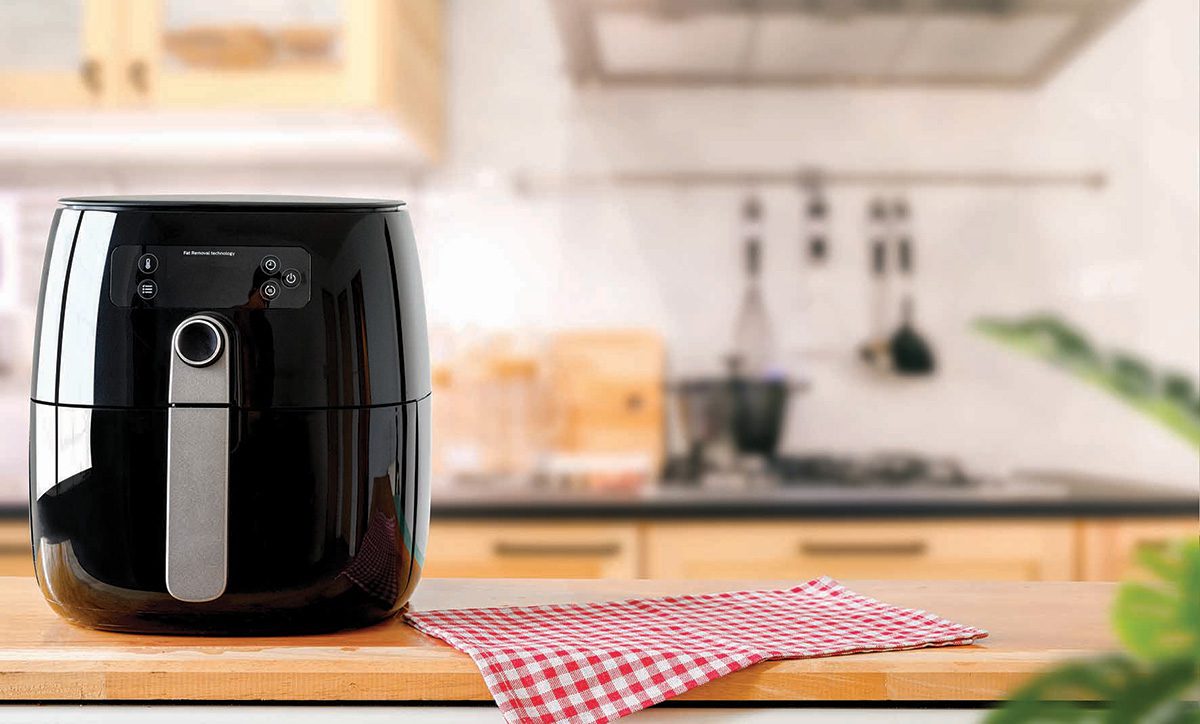


Ultrafine particles (UFPs) emitted from small home appliances with electric heating coils and brushed DC motors are an unhappy addition to the tally of hazards in the home. A new study from South Korea adds further detail, quantifying the greater amounts of UFPs produced by brushed (as opposed to brushless) motors, and refining our knowledge of their chemical characteristics.
The study looked at three different types of small electric appliance: hairdryers, air fryers, and toasters. Hairdryers with brushless motors were compared to ascertain the UFP emissions from these motors.
It showed that most of these appliances emit large quantities of UFPs and the amounts often vary with operating temperature. Devices equipped with brushed DC motors and heating coils released up to 10–100 times higher total particle number concentrations compared to brushless types. The heating coils in small electric home appliances frequently contained heavy metals such as copper, iron, aluminum, silver, and titanium.
These metals carry some risk of cytotoxicity and inflammation when the particles enter the body, according to Professor Changhyuk Kim of Pusan National University (PNU), author of the study.
A simulation model used in the study indicates that the UFPs are deposited predominantly in the alveolar region of the lungs. Because children have smaller airway diameters, higher deposition fractions, and greater deposition volume per body weight, they face a higher health risk than adults.
This research can help to reshape how we select home appliances for better indoor air quality, safety and product performance. The findings from this study can be applied to improve the design and regulation of small electric home appliances. Manufacturers can adopt brushless motors and optimized heating components to minimize UFP emissions from the products. Policies and guidelines regarding the manufacture of these gadgets might be shaped by the findings of studies.
“Our study emphasizes the need for emission-aware electric appliance design and age-specific indoor air quality guidelines, said Kim, who believed the framework “can be extended to other consumer products, guiding future innovations toward human health protection”. .
It was published in the Journal of Hazardous Materials in October.