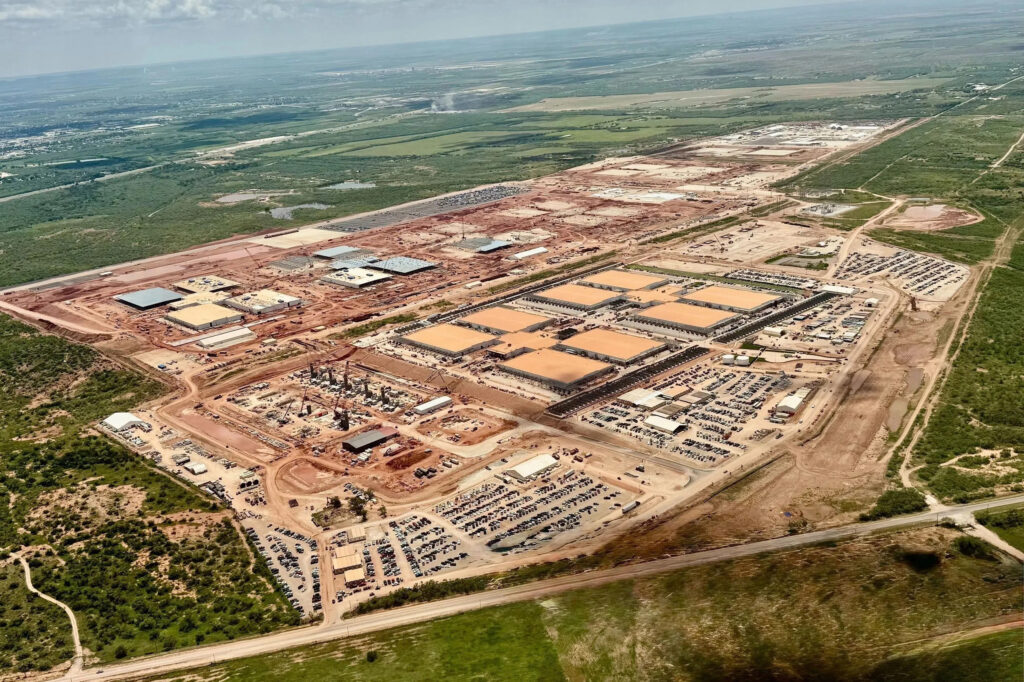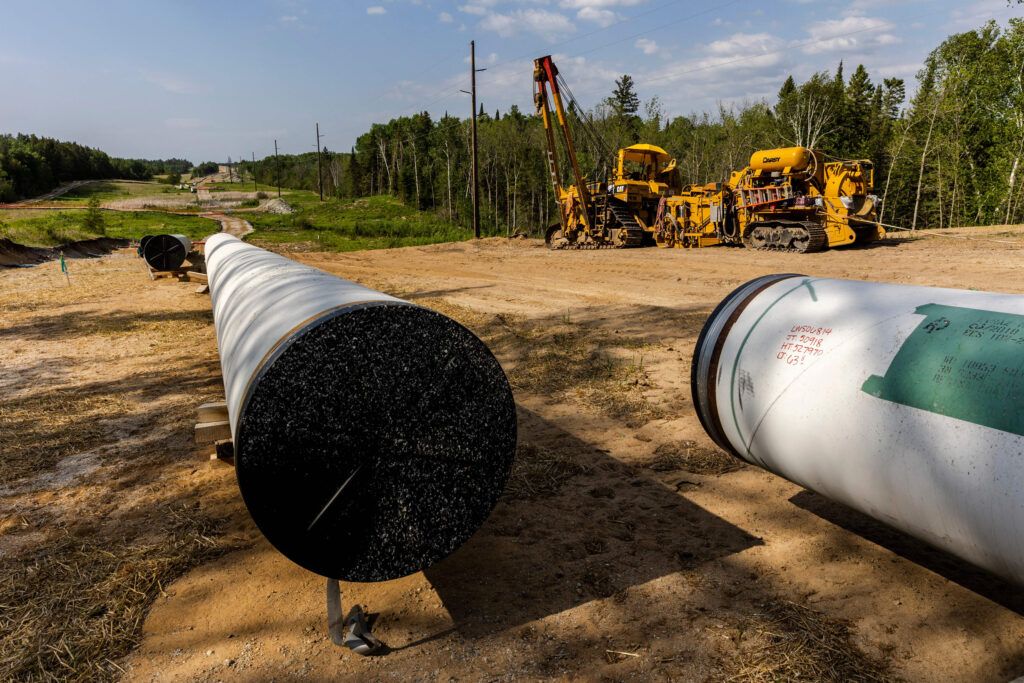


The Trump Administration on Tuesday proposed a new rule aimed at speeding up and streamlining the permitting process for large energy and infrastructure projects, including oil and gas pipelines and facilities tied to artificial intelligence.
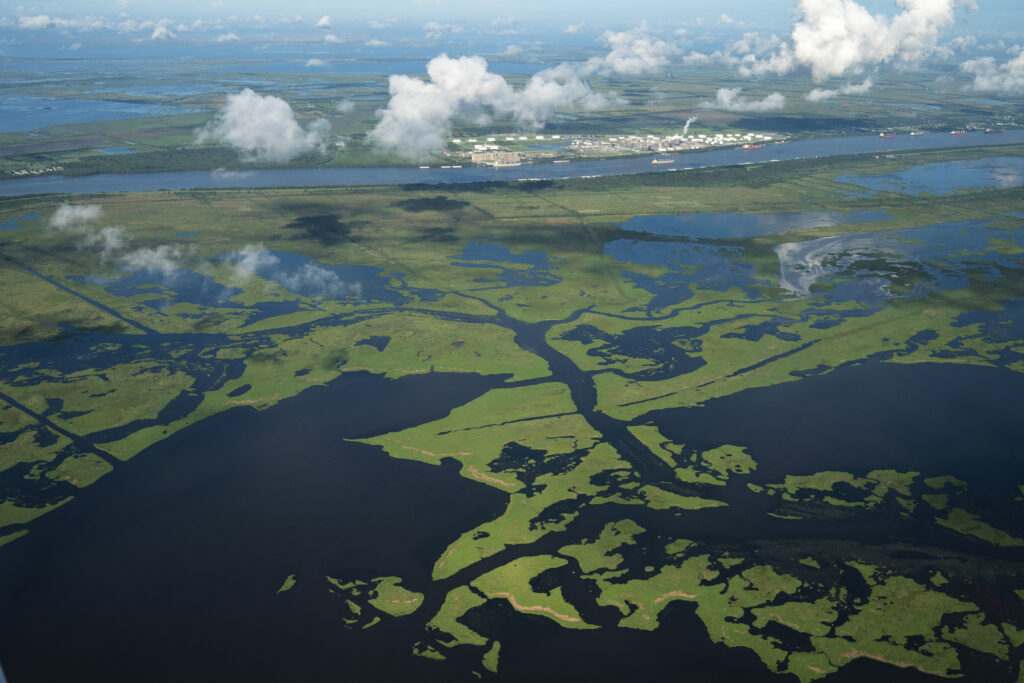
The rule, which does not require action by Congress, includes a suite of procedural changes to section 401 of the Clean Water Act—a law enacted in the 1970s that is the primary federal statute governing water pollution in the United States.
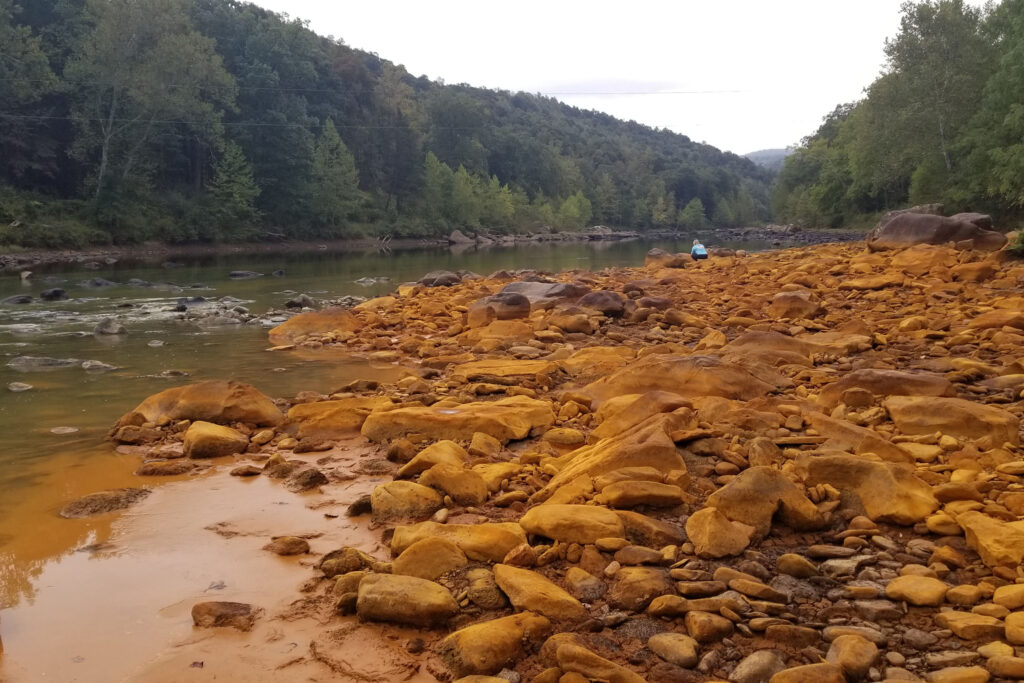
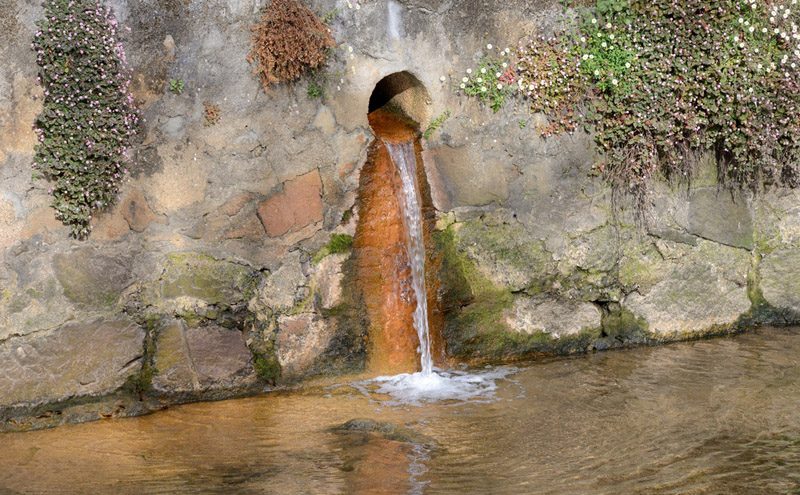
For decades, section 401 has granted states and tribes the authority to approve, impose conditions on, or reject, federal permits for projects that they determine will pollute or damage local waterways.
Now, the Trump administration aims to scale back that authority in order to expedite projects and “unleash energy dominance,” said Jess Kramer, EPA assistant administrator for water, in a press briefing. “This proposed rule is the next step in ensuring that states and tribes only utilize section 401 for its statutory purpose to protect water quality and not as a weapon to shut down projects.”
To date, Kramer said, section 401 has allowed major energy projects to stall unnecessarily, calling the current system “fundamentally flawed.” Implementation problems, she said, have led to lengthy certification timelines that are “bad for business.”
The new rule lays out a series of procedural changes that agency officials say are designed to make the permitting process more predictable and efficient. It would create a standardized list of items companies must submit before a state or tribe can begin reviewing a project. “When finalized, the proposed rule will increase transparency, efficiency and predictability for certifying authorities and the regulated community,” Kramer said. It would also prohibit regulators from asking applicants to withdraw and resubmit requests in order to extend deadlines and would reinforce a firm one-year limit for making decisions.
But in addition to making the process more streamlined, it is also restricting states and tribes, said Jon Devine, director of freshwater ecosystems at the Natural Resources Defense Council.
“This is an effort to curtail the role of state and tribal water pollution control officials in looking at the impacts of federally permitted projects,” Devine said.
Under the proposal, states and authorized tribes would be limited to reviewing only the direct water-quality impacts of a project’s discharges into federally protected waters and would no longer be able to consider broader water-quality effects caused by the project as a whole, said Nancy Stoner, a senior attorney at the Environmental Law & Policy Center, a Chicago-based nonprofit that defends environmental and public health in the Midwest.
That shift could weaken oversight of projects such as dams, she said, noting that water released from a dam may meet quality standards while the structure itself blocks fish migration and disrupts river flows—impacts the Supreme Court has previously ruled that states may consider when making certification decisions.
Stoner also warned the proposal would further limit state authority to waters still covered by the Clean Water Act, a shrinking category after the Supreme Court’s 2023 Sackett decision and later efforts by EPA and the Army Corps to narrow which waterways qualify for federal protection.
As a result, states could lose the ability to use Section 401 to protect many smaller streams, wetlands and headwaters within their borders, leaving state regulators powerless to block, or place conditions on, federally permitted projects that could damage those waters, even if they are vital to local drinking water supplies, fisheries, recreation or flood control.
Kramer, from the EPA, said the proposed rule is intended to curb what the agency views as misuse of Section 401 by some states to block projects for reasons unrelated to water quality.
Kramer said the changes would ensure that section 401 “is not weaponized by states to shut down projects for political purposes, as opposed to protecting water quality.”
State officials, particularly in Democrat-led states, have relied on Section 401 in recent years to deny or place conditions on permits for major projects they say would have harmed local waterways.
In 2017, Washington Gov. Jay Inslee and the state’s Department of Ecology relied on Section 401 to reject a critical water-quality certification for a proposed coal export terminal in Longview. State officials concluded the project would cause significant environmental harm that could not be mitigated. Courts later upheld the decision, and the ruling ultimately brought the project to an end.
In 2020, former New York Gov. Andrew Cuomo used section 401 to deny a permit for a natural gas pipeline proposed to bring fuel from Pennsylvania into the state, citing concerns that its construction would cause significant harm to water quality.
New York Gov. Kathy Hochul has since approved a permit for the same pipeline project Cuomo denied.
Last summer, EPA hosted two public webinars to solicit input on proposed changes to the law.
At least 14 of the speakers who joined these sessions pointed to the Clean Water Act’s long track record of improving water quality and said section 401 has been essential for protecting rivers and aquatic ecosystems from pollution, according to an EPA summary of the discussions.
The summary states: “Many of these speakers expressed concern that a new rule would weaken State and Tribal authority, arguing that such changes could undermine public health, environmental protection, and local economies.”
Soon, the agency plans to open a 30-day public comment period. After its review, Kramer said the agency would work toward issuing a final rule this spring.
About This Story
Perhaps you noticed: This story, like all the news we publish, is free to read. That’s because Inside Climate News is a 501c3 nonprofit organization. We do not charge a subscription fee, lock our news behind a paywall, or clutter our website with ads. We make our news on climate and the environment freely available to you and anyone who wants it.
That’s not all. We also share our news for free with scores of other media organizations around the country. Many of them can’t afford to do environmental journalism of their own. We’ve built bureaus from coast to coast to report local stories, collaborate with local newsrooms and co-publish articles so that this vital work is shared as widely as possible.
Two of us launched ICN in 2007. Six years later we earned a Pulitzer Prize for National Reporting, and now we run the oldest and largest dedicated climate newsroom in the nation. We tell the story in all its complexity. We hold polluters accountable. We expose environmental injustice. We debunk misinformation. We scrutinize solutions and inspire action.
Donations from readers like you fund every aspect of what we do. If you don’t already, will you support our ongoing work, our reporting on the biggest crisis facing our planet, and help us reach even more readers in more places?
Please take a moment to make a tax-deductible donation. Every one of them makes a difference.
Thank you,

Teresa Tomassoni
Oceans Correspondent
Teresa Tomassoni is an environmental journalist covering the intersections between oceans, climate change, coastal communities and wildlife for Inside Climate News. Her previous work has appeared in The Washington Post, NPR, NBC Latino and the Smithsonian American Indian Magazine. Teresa holds a master’s degree in Journalism from the Craig Newmark Graduate School of Journalism. She is also a recipient of the Stone & Holt Weeks Social Justice Reporting Fellowship. She has taught journalism for Long Island University and the School of the New York Times. She is an avid scuba diver and spends much of her free time underwater.