

Four of the world’s biggest oil and gas companies have spent the last 25 years deceptively portraying themselves as leaders in addressing climate change while simultaneously expanding fossil fuel production and failing to meaningfully rein in their planet-heating emissions, according to a report released Thursday that examined over 300 of the companies’ climate-related advertisements from 2000 to 2025.
These ads collectively serve to mask the harmful impacts of the companies’ operations and to perpetuate a false narrative that the oil industry is an essential partner in the fight against climate change, the Center for Climate Integrity found.
CCI, a Washington, D.C.-based advocacy organization supporting efforts to hold fossil fuel companies accountable for climate harms, said its analysis is the first of its kind scrutinizing hundreds of climate-relevant ads from BP, Chevron, ExxonMobil and Shell across the first quarter of the 21st century.
It was around the turn of the century, when outright denial of the reality of climate change had become untenable, that the fossil fuel industry pivoted in its messaging and advertising strategy toward promoting false promises and solutions for tackling the problem, CCI says in “Big Oil’s Deceptive Climate Ads.”
The report identifies and discusses seven categories of deceptive advertising during this time period, including overstating actions to reduce greenhouse gas emissions; exaggerating investments in renewable energy; deflecting responsibility by shifting it onto consumers; and falsely promoting natural gas, carbon capture, hydrogen and algae biofuels as viable climate solutions.
“Big Oil’s climate deception has evolved from lying about the problem to lying about solutions,” Richard Wiles, CCI’s president, said in a statement. “For two and half decades now, these companies have sold the public a false and misleading image of their industry as working to solve the climate crisis, all while doubling down on fossil fuels and making the problem worse.”
The analysis draws upon publicly accessible sources such as digital advertising libraries and archives, congressional investigations and reports, and corporate and public relations documents. It adds to a growing body of evidence of a decades-long and ongoing campaign of deception by the industry to deny or downplay its climate impacts, to delay the transition to clean energy and to obstruct climate action.
A joint staff report from Democrats on the House Oversight Committee and the Senate Budget Committee released last year documents how major oil companies use what the Democrats described as deceptive messaging and tactics to promote false promises of new technologies and to mislead about their commitments to reducing emissions and about the climate safety of natural gas. The report marked the culmination of a multi-year investigation that involved hearings and subpoenas and revealed numerous internal company documents.
“As this joint report makes clear, the industry’s outright denial of climate change has evolved into a green-seeming cover for its ongoing covert operation—a campaign of deception, disinformation, and doublespeak waged using dark money, phony front groups, false economics, and relentless exertion of political influence—to block climate progress,” Sen. Sheldon Whitehouse (D-R.I.), then-chair of the Senate Budget Committee, said in a press release accompanying that report.
Greenwashed or deceptive advertising has also been a key part of this campaign, the CCI report says.
“In advertisements targeting the public, these four Big Oil companies repeatedly misrepresented the sustainability of their business practices, deflected responsibility for fueling climate harms, and lied about the viability of their proposed climate solutions, from carbon capture and storage to algae biofuels,” the report concludes.
Inside Climate News reached out to BP, Chevron, Shell and ExxonMobil for comment. None immediately responded. Companies such as Exxon have pushed back in court against allegations of deceptive advertising by claiming the allegations are attacks on their protected free speech rights.
Overstating Green Commitments, Promoting False Solutions
Ads touting the companies’ emission-reduction initiatives, the report found, tend to overinflate the impact of these actions and create a misleading impression that the companies have dramatically lowered their overall emissions. But in reality, the actions typically are limited to oil companies’ operational emissions, such as reducing flaring, and do not account for emissions generated by their products, which make up the vast majority of their carbon pollution.
Furthermore, ads highlighting future plans or promises to reduce emissions and transition to low-carbon business models are misleading, the report says, especially considering that the companies are now rolling back their green commitments.
“In 2024, less than four years after advertising plans to change their business plans to support a shift towards net zero emissions, BP and Shell both abandoned goals to significantly reduce emissions and lower the carbon intensity of their businesses,” the report says.
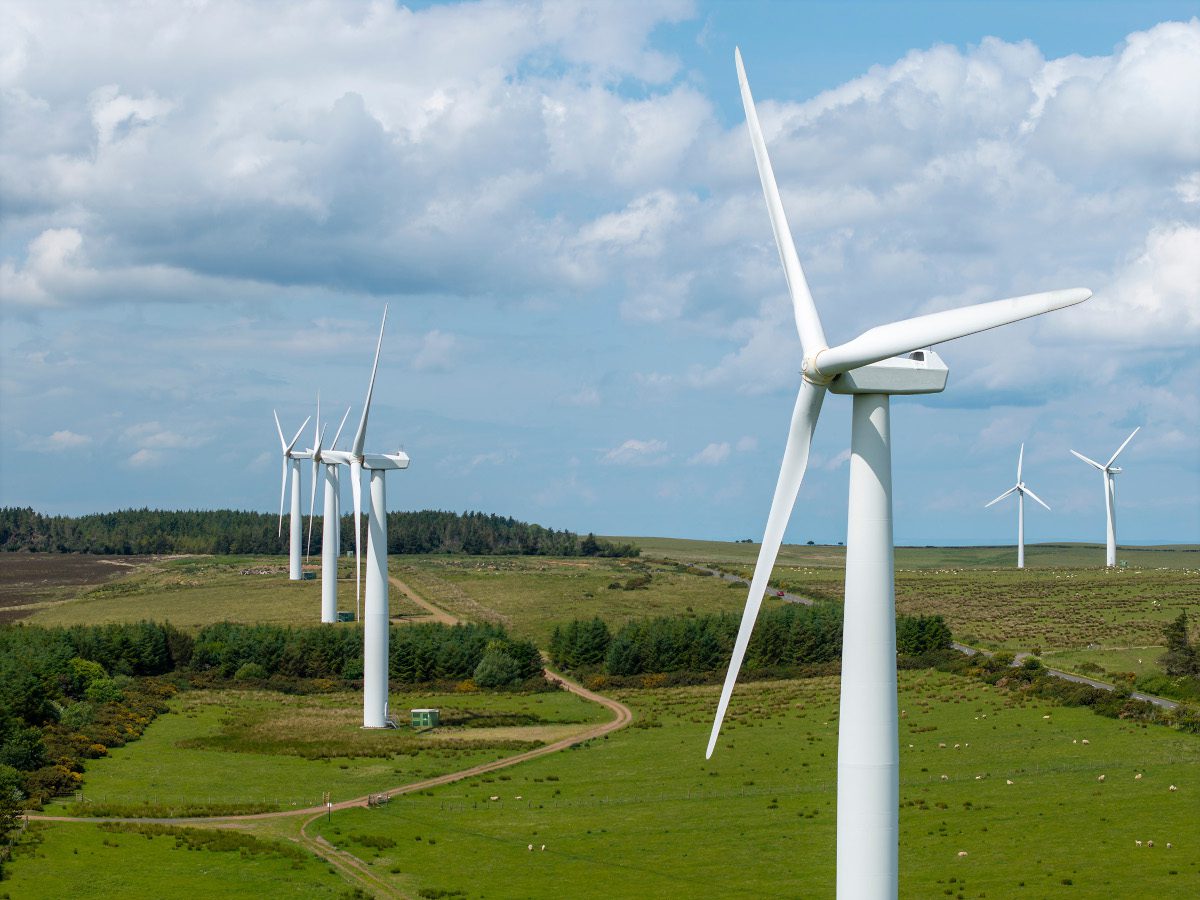
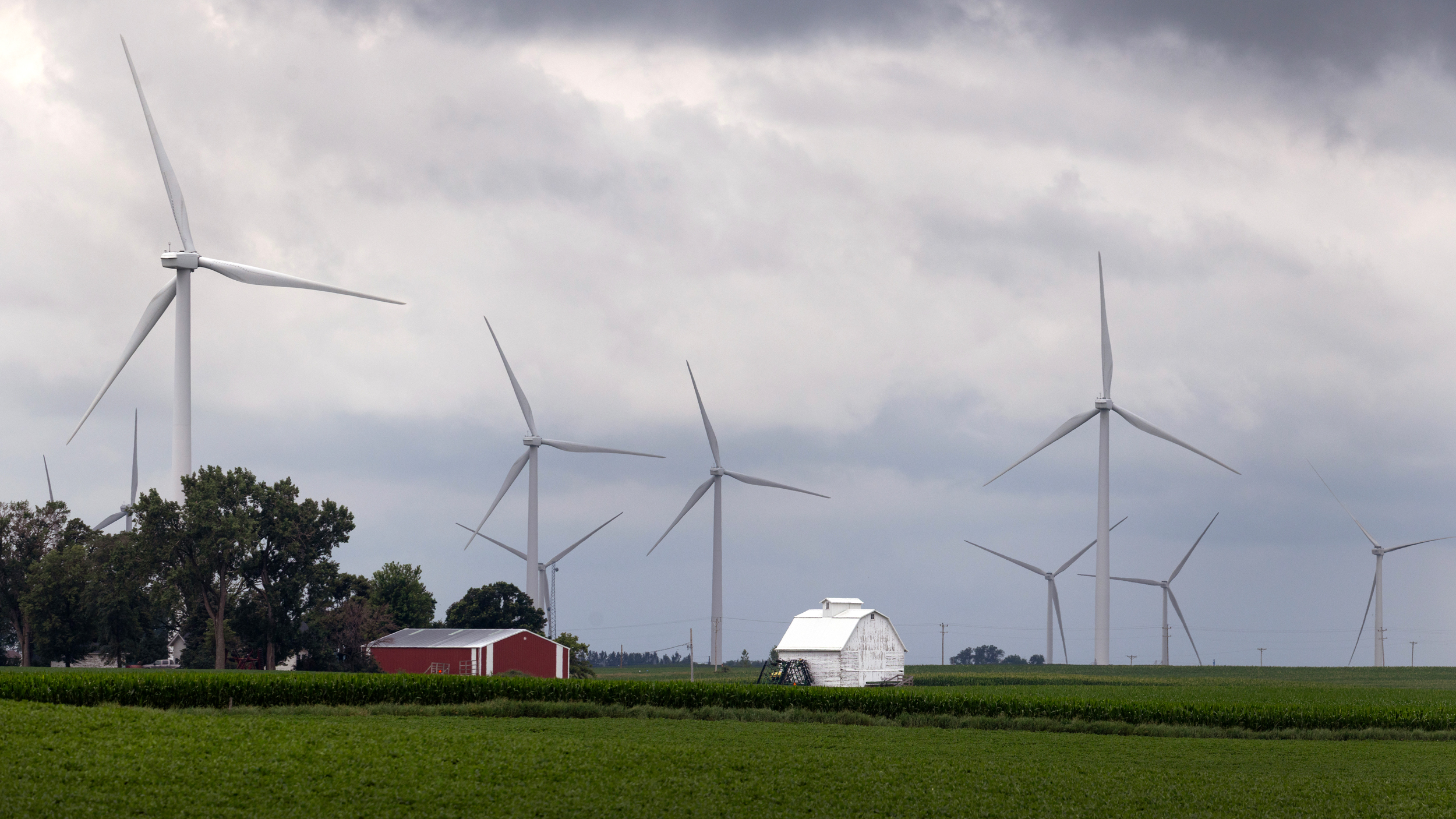
Some other ads from these companies published since 2000 depict them embracing renewable energy like wind and solar, but as the report says, this obscures the reality that oil companies’ actual investments in renewables are miniscule: “One analysis found that between 2010 and 2018, BP spent only 2.3 percent of its total capital expenditure on renewables, Shell spent 1.3 percent, Chevron spent 0.23 percent, and ExxonMobil spent 0.22 percent.”
In some cases, oil companies are also abandoning renewable energy projects and cutting back on their low carbon portfolio spending. BP and Shell, for example, are scrapping wind energy development, and earlier this year Shell announced plans to slash investments in low-carbon energy from 20 percent to 10 percent of its total capital expenditure by 2030. This week, ExxonMobil revealed its updated corporate plan that includes reducing its spending on low-carbon investments by one-third.
Another category of oil company ads the report identifies as deceptive is one in which responsibility for reducing emissions is shifted onto individual consumers. BP, through its advertising and PR, for example, popularized the concept of the individual’s carbon footprint, the report says. These types of ads deflect from the role that the oil and gas industry has played in locking society into dependency on its products, the report contends.
Big oil company advertisements touting natural gas as clean or climate-friendly or as an essential partner to renewable energy ignore the reality that gas still contributes substantially to climate change, especially considering methane venting and leakage, the report says. Natural gas is composed almost entirely of methane, which is a greenhouse gas that is 84 times more powerful than CO2 over a 20-year timeframe.
This story is funded by readers like you.
Our nonprofit newsroom provides award-winning climate coverage free of charge and advertising. We rely on donations from readers like you to keep going. Please donate now to support our work.
Donate Now
In addition to promoting what the report calls the false solution of natural gas, oil companies have used advertising to highlight and push false promises about carbon capture and storage and about hydrogen, claiming these technologies are key to a low-carbon future.
Carbon capture technologies have existed for decades and have failed to sequester more than a miniscule amount of global emissions. Most carbon capture and storage operations also end up using the captured CO2 to extract more oil—a process known as enhanced oil recovery—which critics say cancels out much of the supposed climate benefit and serves to further prolong the fossil fuel era.
Hydrogen, meanwhile, is conventionally produced using fossil fuels, and so-called green hydrogen made from water does not yet exist on any large scale. Despite company advertisements touting hydrogen’s promise, it remains decades away from wide-scale deployment, and almost all hydrogen production today is based on fossil fuels, contrary to its depictions in company ads as a clean fuel, the report says.
The report also discusses advertisements by ExxonMobil around algae biofuels, arguing the company deceptively portrayed these fuels as a climate solution when in reality it was never seriously committed to investing and scaling the technology. “While Exxon poured millions of dollars into algae advertisements, the company never built a commercial-scale algae biofuels facility—which would have cost around $5 billion—and ended its funding for algae research entirely in late-2022,” the report said.
Resource for Climate Accountability Initiatives
Hundreds of ads across these categories from BP, Chevron, ExxonMobil and Shell over the last 25 years collectively “feed a larger false narrative that oil and gas companies are part of the solution to climate change,” the report concludes, which allows them to sustain their social license to operate while they continue expanding production and fueling the climate crisis.
The report comes as the industry faces dozens of climate accountability lawsuits aiming to hold companies accountable for deceptive conduct, including ongoing greenwashing and false or misleading advertising. Some of the cases are already in pre-trial discovery and are closer than ever to getting to the stage of a public trial.
CCI says its analysis is intended to support these efforts.
“Any business that floods consumers with such brazenly deceptive advertising must be held accountable,” Wiles said.
About This Story
Perhaps you noticed: This story, like all the news we publish, is free to read. That’s because Inside Climate News is a 501c3 nonprofit organization. We do not charge a subscription fee, lock our news behind a paywall, or clutter our website with ads. We make our news on climate and the environment freely available to you and anyone who wants it.
That’s not all. We also share our news for free with scores of other media organizations around the country. Many of them can’t afford to do environmental journalism of their own. We’ve built bureaus from coast to coast to report local stories, collaborate with local newsrooms and co-publish articles so that this vital work is shared as widely as possible.
Two of us launched ICN in 2007. Six years later we earned a Pulitzer Prize for National Reporting, and now we run the oldest and largest dedicated climate newsroom in the nation. We tell the story in all its complexity. We hold polluters accountable. We expose environmental injustice. We debunk misinformation. We scrutinize solutions and inspire action.
Donations from readers like you fund every aspect of what we do. If you don’t already, will you support our ongoing work, our reporting on the biggest crisis facing our planet, and help us reach even more readers in more places?
Please take a moment to make a tax-deductible donation. Every one of them makes a difference.
Thank you,