

The UK Government’s publication of a revised 25-year Environmental Improvement Plan (EIP) has been broadly welcomed by the Chartered Institute of Environmental Health (CIEH), although the group appeared to take issue with the absence of new targets on nitrogen dioxide pollution.
This is the first update of the previous Government’s EIP published in 2023 which itself aimed to revise the broad aims laid out in the Environment Act, passed in 2021. The EIP contains a number of measures that will contribute to the protection of the environment, as well as protecting valuable resources like clean water.
Local Authorities with the highest levels of air pollution linked to deprivation are singled out for future work and refreshed guidance is being promised to enable action to be taken at a local level on air quality.
Responding to the publication, CIEH Vice President Joan Walley said: “CIEH is pleased to see action taken by the Government to strengthen the commitments and targets outlined in the previous EIP and its awareness that the previous incarnation of this plan did not go far enough.
“CIEH particularly welcomes the greater focus on improving air quality, including targets for concentrations of PM2.5 particulate pollutants, achieving an annual mean concentration target of 10 micrograms per cubic metre by December 2030, something CIEH called for in our 2024 Manifesto for Environmental Health.
“However, while the EIP has provided some movement on PM2.5, it has not set out any targets related to nitrogen dioxide (NO2). The legal level of NO2 has not been altered in recent history and is set at four times the World Health Organisation recommended annual average guideline. We would welcome consideration of new NO2 targets in future and feel that this was a missed opportunity not to include commentary and consideration through the EIP.
“The EIP points out that Local Authorities and their air quality partners have ‘legal responsibilities to improve air quality for their citizens and the powers necessary to do so’. In practice, that is not always the case, for example smoke control areas are too often preoccupied on dark smoke as an indicator to non-compliance rather than pollution emissions.
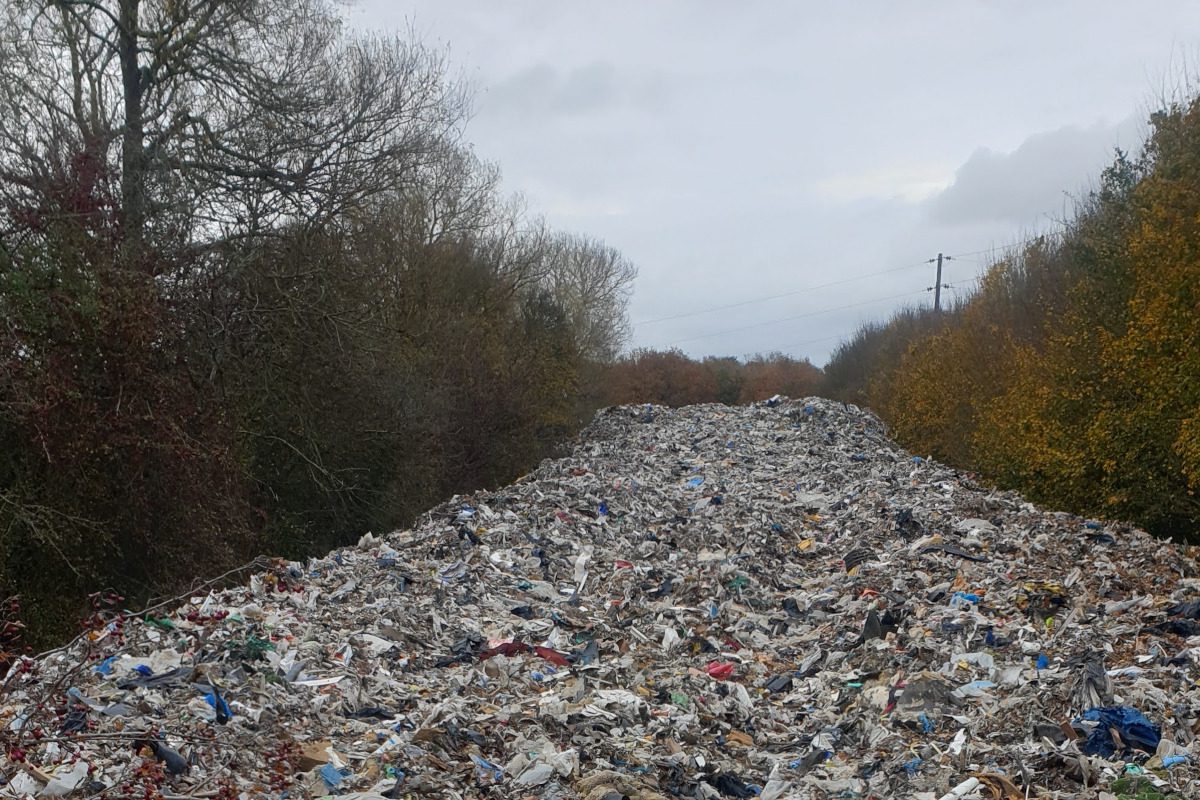
“We do welcome the Government’s commitment to consult on further measures to reduce emissions from domestic burning, the timely commitment to tackling waste crime, and reforms to industrial permitting. We look forward to hearing about the necessary resourcing announcements which will have to follow and CIEH stands ready to offer its professional expertise to assist the Government with the various work packages which will result from the new EIP on behalf our members.”