

Friday, January 30, 2026
  • Privacy Policy
  • Contact
  • Terms & Conditions
Environmental Magazine
Advertisement
  • Home
  • News
  • Climate Change
  • Energy
  • Recycling
  • Air
  • Fossil Fuels
  • Water
No Result
View All Result
Environmental Magazine
  • Home
  • News
  • Climate Change
  • Energy
  • Recycling
  • Air
  • Fossil Fuels
  • Water
No Result
View All Result
Environmental Magazine
No Result
View All Result
Home News

Over half of all brownfield sites could be built on rapidly

September 30, 2025
in News
A A

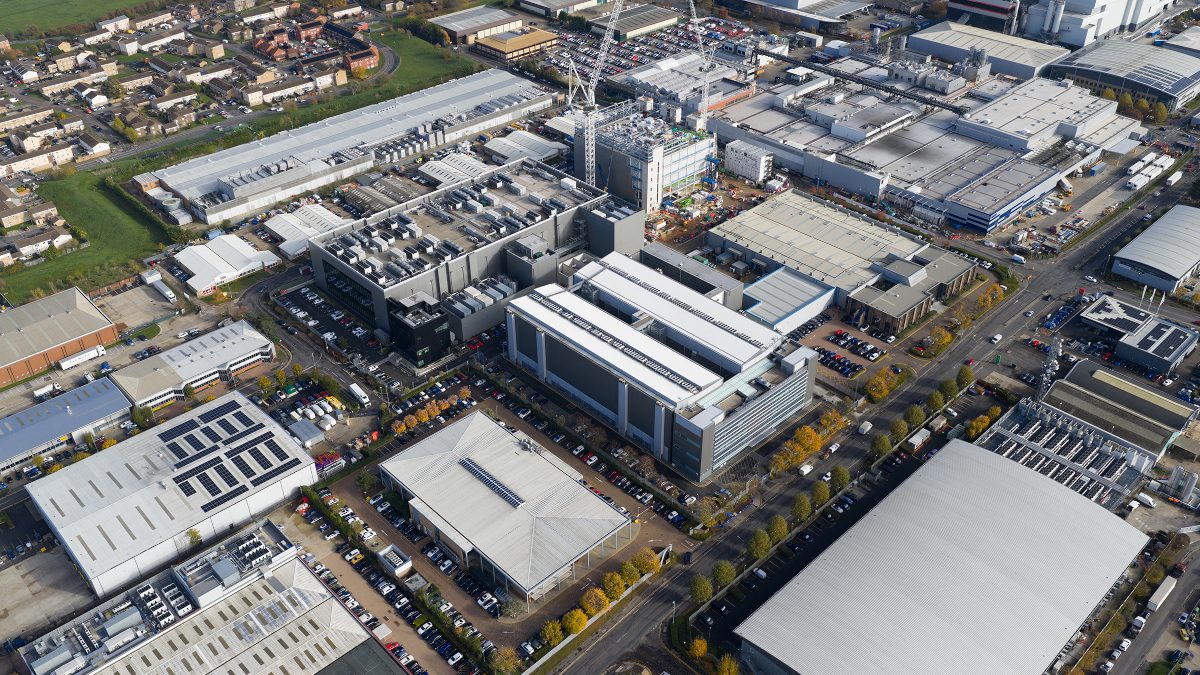
New research from countryside charity CPRE appears to reveal that over half of brownfield sites had full or in-principle permission in 2024.

The UK’s huge supply of brownfield land should be the first port of call for building the homes this country desperately needs, said the group. These sites are typically located near existing infrastructure, such as public transport, schools, and healthcare facilities, making them advantageous for development.

Additionally, the research shows that there are enough brownfield sites in England to build almost 1.5 million new homes, indicating that the government can move towards its UK-wide target of 1.5 million new homes more quickly, with limited building on undeveloped greenfield land.

Prioritising brownfield sites would allow for quicker timelines compared to greenfield developments, aiding the government in its target of delivering 1.5 million new homes by 2030. A ‘brownfield-first’ approach would not only meet urgent housing demand more quickly but also minimise the environmental impact associated with urban sprawl and undeveloped countryside.

The new research gathered data from Local Authority brownfield registers up to 2024, the most recent years for which figures are available. The number of brownfield sites registered as suitable for development increased by 16% over the time period.

Brownfield land is a constantly renewing resource, and more sites are coming forward all the time, as more land in town centres becomes available and opportunities arise to rebuild low-density housing estates at higher densities.

Despite official policy prioritising brownfield development, 46% of housing developments in 2021/22 were completed on greenfield land. According to figures from the Local Government Association (LGA) in 2021, there are likely to be an additional 500,000 planning permissions for development on greenfield sites. Building on greenfield land, rather than repurposing brownfield sites, contributes to the degradation of our already nature-depleted landscapes and threatens the ecosystems that play a crucial role in combating climate change.

The revitalisation of these brownfield areas can lead to the regeneration of communities, fostering social and economic growth. By transforming neglected spaces into vibrant housing developments, a brownfield-first policy can attract new residents and businesses to urban areas.

A brownfield-first approach should be complemented by sustainable urban extensions and the development of new towns where appropriate. These extensions should incorporate essential elements such as green spaces, renewable energy solutions, and smart infrastructure, ensuring that future communities are not only functional but also environmentally sustainable and resilient.

CPRE is calling on the government to:

  • Enforce their brownfield-first policy for new housing, including by focusing Homes England investment on brownfield sites and rejecting speculative greenfield development.
  • Regularly update their brownfield registers to ensure land can be redeveloped.
  • Set ambitious and enforceable targets for both affordable and social homes on shovel-ready brownfield sites.

CPRE chief executive Roger Mortlock said: “The government has pledged a brownfield-first approach to new housing, but the reality is more unnecessary development on green fields. A new approach to local housing numbers has massively increased the target in many rural areas without any evidence of local need and without the infrastructure to support new communities. We know that large developers favour building on our countryside, while the number of brownfield sites continues to grow. More identikit, car-dependent executive homes needlessly built on our countryside.

“The recent brownfield passports are a great first step, but if the government is serious about a brownfield-first approach, it needs more teeth. We need targets for brownfield sites, up-to-date brownfield registers, and investment in genuinely affordable and social homes on brownfield land. If we want homes that tackle the housing crisis, revitalise our towns and cities, and create vibrant, sustainable communities close to existing infrastructure, then these unused brownfield sites have to be the place we start.”

The report can be accessed here.
ShareTweetSharePinSendShare

Related Articles

Waste heat from data centres could heat over 3.5 million UK homes
News

Waste heat from data centres could heat over 3.5 million UK homes

January 28, 2026
Record wasted wind could have powered every home in London in 2025
News

Record wasted wind could have powered every home in London in 2025

January 26, 2026
Biofilms might be key to supporting the health of space missions
News

Biofilms might be key to supporting the health of space missions

January 22, 2026
Nature groups say nuclear review exaggerates the cost of preventing harm to nature
News

Nature groups say nuclear review exaggerates the cost of preventing harm to nature

January 20, 2026
End trade-off between recycling targets and toxic exposure, Zero Waste Europe urges EU
News

End trade-off between recycling targets and toxic exposure, Zero Waste Europe urges EU

January 19, 2026
Rare earth magnet recycling centre launched in West Midlands
News

Rare earth magnet recycling centre launched in West Midlands

January 19, 2026

Leave a Reply Cancel reply

Your email address will not be published. Required fields are marked *

Recommended

Veterans of Alaska’s Oil Industry Look to Blaze a Renewable Energy Pathway in the State

Veterans of Alaska’s Oil Industry Look to Blaze a Renewable Energy Pathway in the State

October 7, 2024
Regret over target climbdown | Envirotec

Regret over target climbdown | Envirotec

April 23, 2024

Don't miss it

Global Energy Transition Investment Grew in 2025 Despite Major Obstacles; Here Are the Numbers
Energy

Global Energy Transition Investment Grew in 2025 Despite Major Obstacles; Here Are the Numbers

January 30, 2026
Maine Again Looks North for Onshore Wind, but Full Grid Integration Will Have to Wait
Energy

Maine Again Looks North for Onshore Wind, but Full Grid Integration Will Have to Wait

January 30, 2026
 In Arizona, Utilities and State Regulators Double Down on Fossil Fuels and Higher Costs Despite Opposition From Residents
Fossil Fuels

 In Arizona, Utilities and State Regulators Double Down on Fossil Fuels and Higher Costs Despite Opposition From Residents

January 30, 2026
Global Energy Transition Investment Grew in 2025 Despite Major Obstacles; Here Are the Numbers
Energy

Global Energy Transition Investment Grew in 2025 Despite Major Obstacles;  Here Are the Numbers

January 29, 2026
Developer Calls GW Ranch in Pecos County, Texas, the ‘Largest Power Project’ in U.S.
Fossil Fuels

Developer Calls GW Ranch in Pecos County, Texas, the ‘Largest Power Project’ in U.S.

January 29, 2026
Data Centers in PJM Grid Can Rely Solely on Generators During the Cold, DOE Rules
Fossil Fuels

Data Centers in PJM Grid Can Rely Solely on Generators During the Cold, DOE Rules

January 29, 2026
Environmental Magazine

Environmental Magazine, Latest News, Opinions, Analysis Environmental Magazine. Follow us for more news about Enviroment and climate change from all around the world.

Learn more

Sections

  • Activism
  • Air
  • Climate Change
  • Energy
  • Fossil Fuels
  • News
  • Uncategorized
  • Water

Topics

Activism Air Climate Change Energy Fossil Fuels News Uncategorized Water

Recent News

Global Energy Transition Investment Grew in 2025 Despite Major Obstacles; Here Are the Numbers

Global Energy Transition Investment Grew in 2025 Despite Major Obstacles; Here Are the Numbers

January 30, 2026
Maine Again Looks North for Onshore Wind, but Full Grid Integration Will Have to Wait

Maine Again Looks North for Onshore Wind, but Full Grid Integration Will Have to Wait

January 30, 2026

© 2023 Environmental Magazine. All rights reserved.

No Result
View All Result
  • Home
  • News
  • Climate Change
  • Energy
  • Recycling
  • Air
  • Fossil Fuels
  • Water

© 2023 Environmental Magazine. All rights reserved.

This website uses cookies. By continuing to use this website you are giving consent to cookies being used. Visit our Privacy and Cookie Policy.