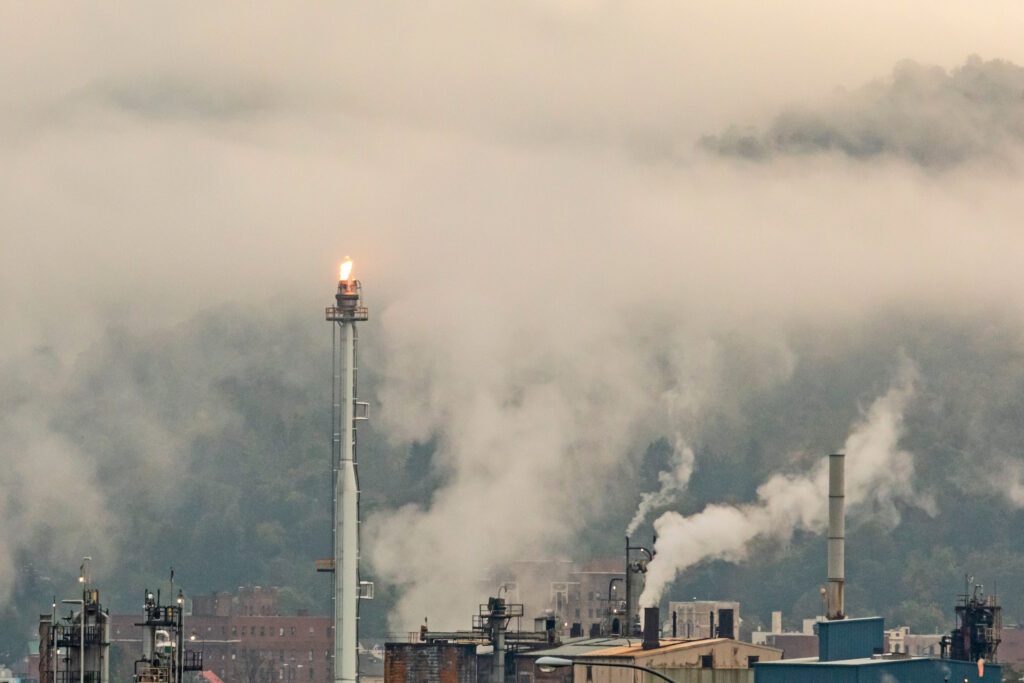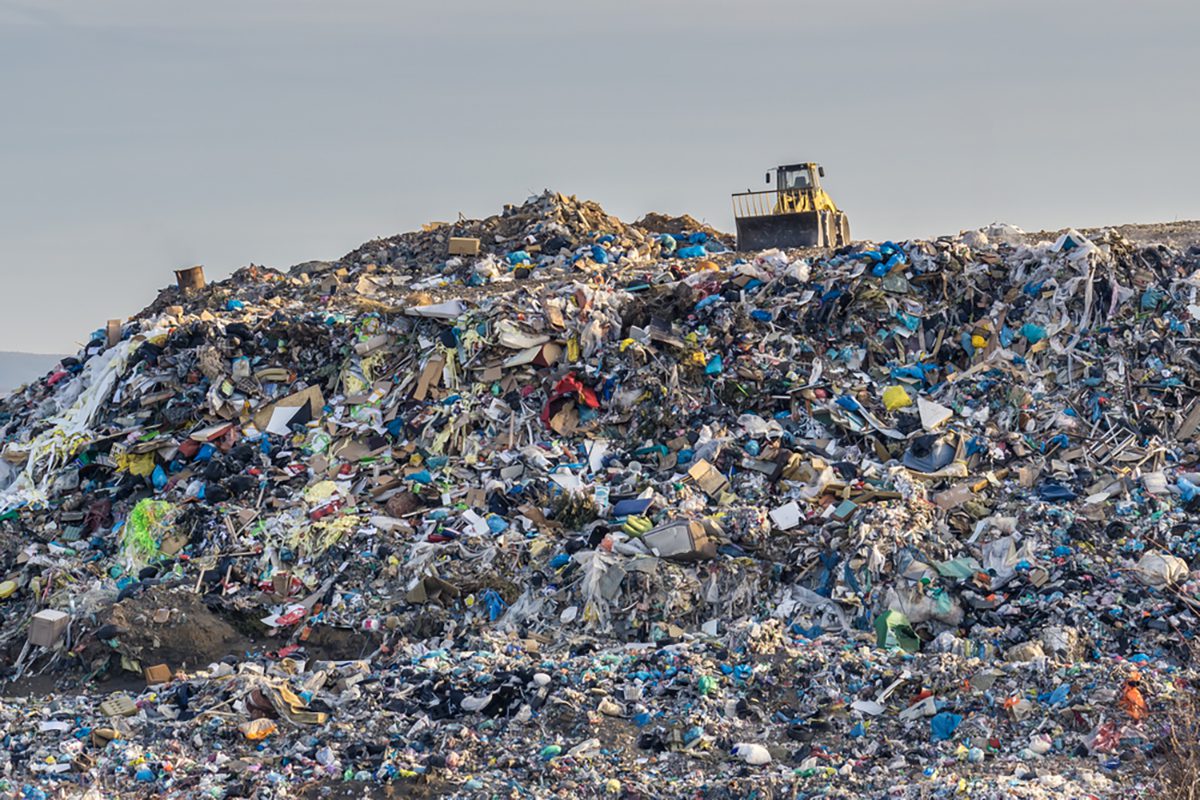


GADSDEN, Ala.—The coal ash lagoon at Alabama Power’s Plant Gadsden was supposed to be a model for how to close ash ponds by covering them in place, a process utilities insisted would protect human health and the environment from toxic contaminants in the ash.
Now, groundwater monitoring data and a federal lawsuit are challenging that contention.
The ash pond was the first in Alabama to be closed with a cover-in-place system in 2018, after the U.S. Environmental Protection Agency’s 2015 coal ash rules, and Alabama Power planned to use the same basic technique at the coal ash ponds for five other power plants across the state.
But today, seven years after the Gadsden pond closure was completed, environmental groups say the facility is still leaking toxic substances into groundwater on the banks of the Coosa River and Neely Henry Lake, a popular boating and bass fishing destination in east Alabama.
The Southern Environmental Law Center, on behalf of environmental group Coosa Riverkeeper, filed a lawsuit Tuesday against Alabama Power, challenging what it called “unlawful and defective capping” of the coal ash pond at Plant Gadsden.
The groups say that as recently as October 2024, Alabama Power’s self-reported groundwater monitoring results show “levels of arsenic forty times the legal standard in groundwater,” as well as potentially harmful levels of boron, chromium and cobalt.
“The citizens of Gadsden and folks who depend on Neely Henry Lake deserve so much better than Alabama Power’s legacy of pollution,” Justinn Overton, executive director and riverkeeper at Coosa Riverkeeper, said in a news release. “Drinking water supply, booming ecotourism, and hard-working Alabamians are all threatened by Alabama Power’s recklessness.”
Coosa Riverkeeper is among numerous groups that have called for Alabama Power to excavate its coal ash and move the material to a lined landfill, rather than leaving the ash in unlined impoundments near rivers. Alabama Power has announced plans to cap all of its coal ash ponds in place, but Gadsden is the only plant where that process has been completed.
“It’s time for Alabama Power to do the right thing and move their ash,” Overton said.
A spokesperson for Alabama Power said “[a]s a matter of practice, we do not comment on pending legal matters.”
Coal ash, or coal combustion residuals, are the leftover solid material from burning coal, typically in a power plant or other industrial facility. According to the EPA, coal ash often contains contaminants like mercury, cadmium, chromium and arsenic which can be “associated with cancer and various other serious health effects.”
The EPA’s 2015 coal ash rules allowed for two possible cleanup options for the coal ash lagoons, which can be hundreds of acres in size, containing millions of tons of wet ash slurry. Utilities could dig out the coal ash and move it to a lined landfill, or they could cover it in place, as long as certain conditions were met.
In 2016, Alabama Power announced plans to use the cover-in-place option at all its plants. The permit for Plant Gadsden was approved by the Alabama Department of Environmental Management in 2020, two years after the physical work had already been completed.
But last year, the EPA denied approval of Alabama’s coal ash permitting program, saying that the state had approved permits that were “significantly less protective of people and waterways than federal law requires,” and that “coal ash units cannot be closed in a way that allows coal ash to continue to spread contamination in groundwater after closure.”
The Riverkeeper lawsuit—filed in the U.S. District Court for the Northern District of Alabama—contends that nearly 40 percent of the ash at Gadsden remains saturated in groundwater, constituting a violation of the EPA coal ash rules and the Resource Conservation and Recovery Act.
It is not yet clear how the coal ash regulations will fare under the Trump administration.
The groups filed a notice of intent to sue in May, and went forward with the suit Tuesday, after the required 60-day notification period.
In addition to the lake being a popular fishing spot, the ash pond is located less than a mile upstream of a drinking water intake, although the lawsuit does not allege any contamination of the drinking water.
The coal ash pond at Plant Gadsden is on the opposite side of the river from the old power plant, which was demolished last year. According to the lawsuit, the coal ash slurry was pumped through underwater pipes across the river for disposal in a lagoon.
“There is no excuse for a company with Alabama Power’s resources to risk a community and commercial riverfront with this type of hazard,” Barry Brock, director of SELC’s Alabama office, said in a news release. “Alabama Power must join utilities across the South cleaning up unlined coal ash dumps. This type of waste must be in safe storage away from waterways like the Coosa and Neely Henry Lake.”
About This Story
Perhaps you noticed: This story, like all the news we publish, is free to read. That’s because Inside Climate News is a 501c3 nonprofit organization. We do not charge a subscription fee, lock our news behind a paywall, or clutter our website with ads. We make our news on climate and the environment freely available to you and anyone who wants it.
That’s not all. We also share our news for free with scores of other media organizations around the country. Many of them can’t afford to do environmental journalism of their own. We’ve built bureaus from coast to coast to report local stories, collaborate with local newsrooms and co-publish articles so that this vital work is shared as widely as possible.
Two of us launched ICN in 2007. Six years later we earned a Pulitzer Prize for National Reporting, and now we run the oldest and largest dedicated climate newsroom in the nation. We tell the story in all its complexity. We hold polluters accountable. We expose environmental injustice. We debunk misinformation. We scrutinize solutions and inspire action.
Donations from readers like you fund every aspect of what we do. If you don’t already, will you support our ongoing work, our reporting on the biggest crisis facing our planet, and help us reach even more readers in more places?
Please take a moment to make a tax-deductible donation. Every one of them makes a difference.
Thank you,

Dennis Pillion
Reporter, Alabama
Dennis Pillion is a reporter for Inside Climate News based in Alabama. He joined ICN in 2024 after 17 years working for Alabama Media Group, including nine as the statewide natural resources reporter. His work for AL.com and The Birmingham News, won numerous Green Eyeshade and Alabama Press Association awards for his coverage of environmental issues in Alabama. He was born and lives in Birmingham, Ala.