

Friday, January 30, 2026
  • Privacy Policy
  • Contact
  • Terms & Conditions
Environmental Magazine
Advertisement
  • Home
  • News
  • Climate Change
  • Energy
  • Recycling
  • Air
  • Fossil Fuels
  • Water
No Result
View All Result
Environmental Magazine
  • Home
  • News
  • Climate Change
  • Energy
  • Recycling
  • Air
  • Fossil Fuels
  • Water
No Result
View All Result
Environmental Magazine
No Result
View All Result
Home Air

Atmospheric methane increase during Covid due primarily to wetland flooding

September 25, 2024
in Air
A A

A new analysis of satellite data appears to find that the record surge in atmospheric methane emissions from 2020 to 2022 was driven by increased inundation and water storage in wetlands, combined with a slight decrease in atmospheric hydroxide (OH). The results have implications for efforts to decrease atmospheric methane and mitigate its impact on climate change, say the researchers.

“From 2010 to 2019, we saw regular increases – with slight accelerations – in atmospheric methane concentrations, but the increases that occurred from 2020 to 2022 and overlapped with the COVID-19 shutdown were significantly higher,” says Zhen Qu, assistant professor of marine, earth and atmospheric sciences at North Carolina State University and lead author of the research. “Global methane emissions increased from about 499 teragrams (Tg) to 550 Tg during the period from 2010 to 2019, followed by a surge to 570 – 590 Tg between 2020 and 2022.”

Atmospheric methane emissions are given by their mass in teragrams. One teragram equals about 1.1 million U.S. tons.

One of the leading theories concerning the sudden atmospheric methane surge was the decrease in manmade air pollution from automobiles and industry during the pandemic shutdown of 2020 and 2021. Air pollution contributes hydroxyl radicals (OH) to the lower atmosphere. In turn, atmospheric OH interacts with other gases, such as methane, to break them down.

“The prevailing idea was that the pandemic reduced the amount of OH concentration, therefore there was less OH available in the atmosphere to react with and remove methane,” Qu says.

To test the theory, Qu and a team of researchers from the U.S., U.K. and Germany looked at global satellite emissions data and atmospheric simulations for both methane and OH during the period from 2010 to 2019 and compared it to the same data from 2020 to 2022 to tease out the source of the surge.

Using data from satellite readings of atmospheric composition and chemical transport models, the researchers created a model that allowed them to determine both amounts and sources of methane and OH for both time periods.

They found that most of the 2020 to 2022 methane surge was a result of inundation events – or flooding events – in equatorial Asia and Africa, which accounted for 43% and 30% of the additional atmospheric methane, respectively. While OH levels did decrease during the period, this decrease only accounted for 28% of the surge.

“The heavy precipitation in these wetland and rice cultivation regions is likely associated with the La Niña conditions from 2020 to early 2023,” Qu says. “Microbes in wetlands produce methane as they metabolize and break down organic matter anaerobically, or without oxygen. More water storage in wetlands means more anaerobic microbial activity and more release of methane to the atmosphere.”

The researchers feel that a better understanding of wetland emissions is important to developing plans for mitigation.

“Our findings point to the wet tropics as the driving force behind increased methane concentrations since 2010,” Qu says. “Improved observations of wetland methane emissions and how methane production responds to precipitation changes are key to understanding the role of precipitation patterns on tropical wetland ecosystems.”

The research appears in the Proceedings of the National Academy of Sciences and was supported in part by NASA.

ShareTweetSharePinSendShare

Related Articles

Ferries trade group warns of urgent need to deliver green shipping corridors
Air

Ferries trade group warns of urgent need to deliver green shipping corridors

January 26, 2026
Clean Air Coalition warns the Scottish Government must get tougher on wood burning
Air

Clean Air Coalition warns the Scottish Government must get tougher on wood burning

January 22, 2026
The inside track on lingering odours
Air

The inside track on lingering odours

January 20, 2026
Multiplexed gas analysers can lower costs
Air

Multiplexed gas analysers can lower costs

January 20, 2026
The fine particle threat from DC motors
Air

The fine particle threat from DC motors

January 20, 2026
Air alliance: Merger brings AQMesh into larger gas analysis portfolio
Air

Air alliance: Merger brings AQMesh into larger gas analysis portfolio

January 20, 2026

Leave a Reply Cancel reply

Your email address will not be published. Required fields are marked *

Recommended

Plastic Pollution Talks in Geneva End Without Treaty

Plastic Pollution Talks in Geneva End Without Treaty

August 15, 2025
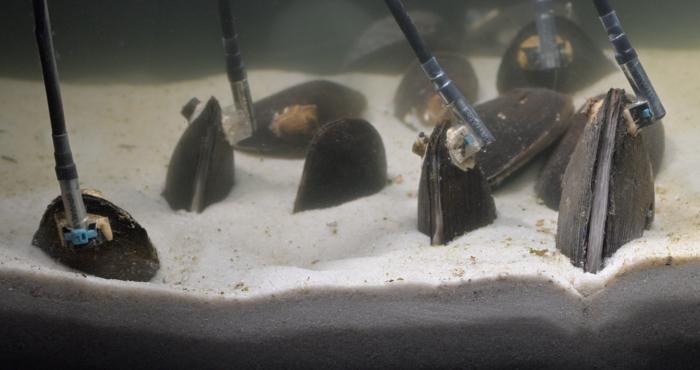
Mussels-and-sensors solution anticipates appearance of toxic algal blooms

Mussels-and-sensors solution anticipates appearance of toxic algal blooms

September 10, 2025

Don't miss it

Global Energy Transition Investment Grew in 2025 Despite Major Obstacles; Here Are the Numbers
Energy

Global Energy Transition Investment Grew in 2025 Despite Major Obstacles; Here Are the Numbers

January 30, 2026
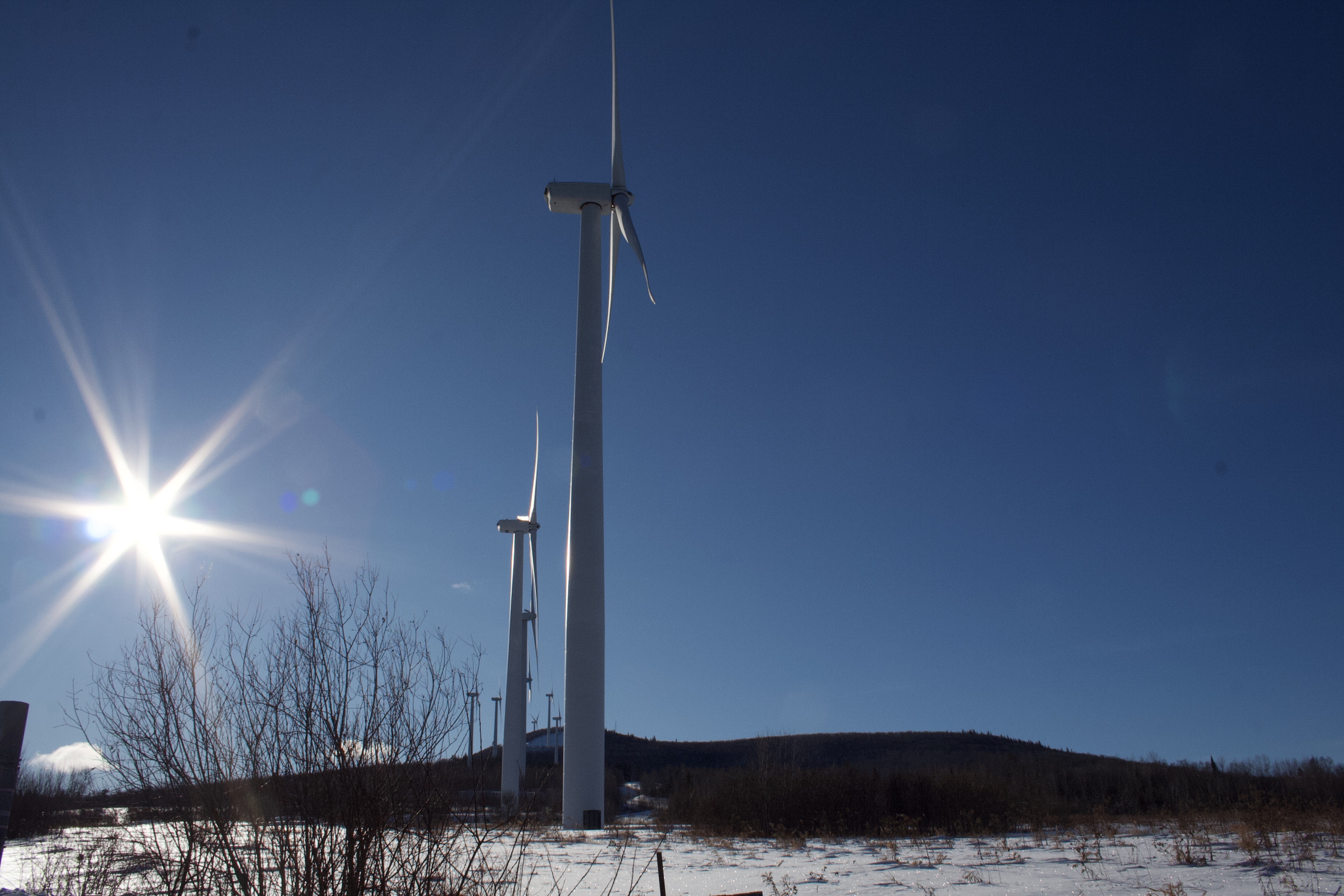
Maine Again Looks North for Onshore Wind, but Full Grid Integration Will Have to Wait
Energy

Maine Again Looks North for Onshore Wind, but Full Grid Integration Will Have to Wait

January 30, 2026
 In Arizona, Utilities and State Regulators Double Down on Fossil Fuels and Higher Costs Despite Opposition From Residents
Fossil Fuels

 In Arizona, Utilities and State Regulators Double Down on Fossil Fuels and Higher Costs Despite Opposition From Residents

January 30, 2026
Global Energy Transition Investment Grew in 2025 Despite Major Obstacles; Here Are the Numbers
Energy

Global Energy Transition Investment Grew in 2025 Despite Major Obstacles;  Here Are the Numbers

January 29, 2026
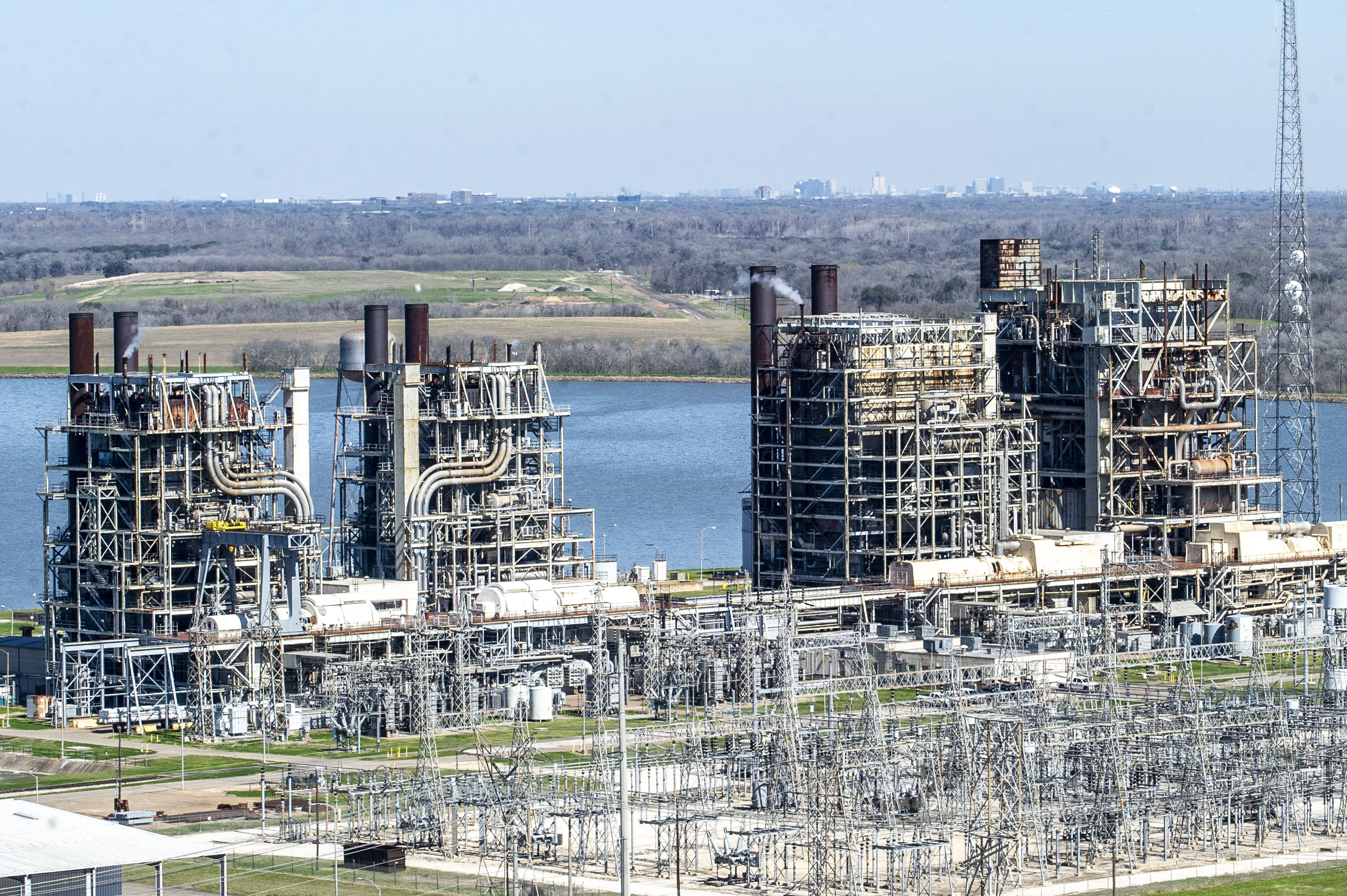
Developer Calls GW Ranch in Pecos County, Texas, the ‘Largest Power Project’ in U.S.
Fossil Fuels

Developer Calls GW Ranch in Pecos County, Texas, the ‘Largest Power Project’ in U.S.

January 29, 2026
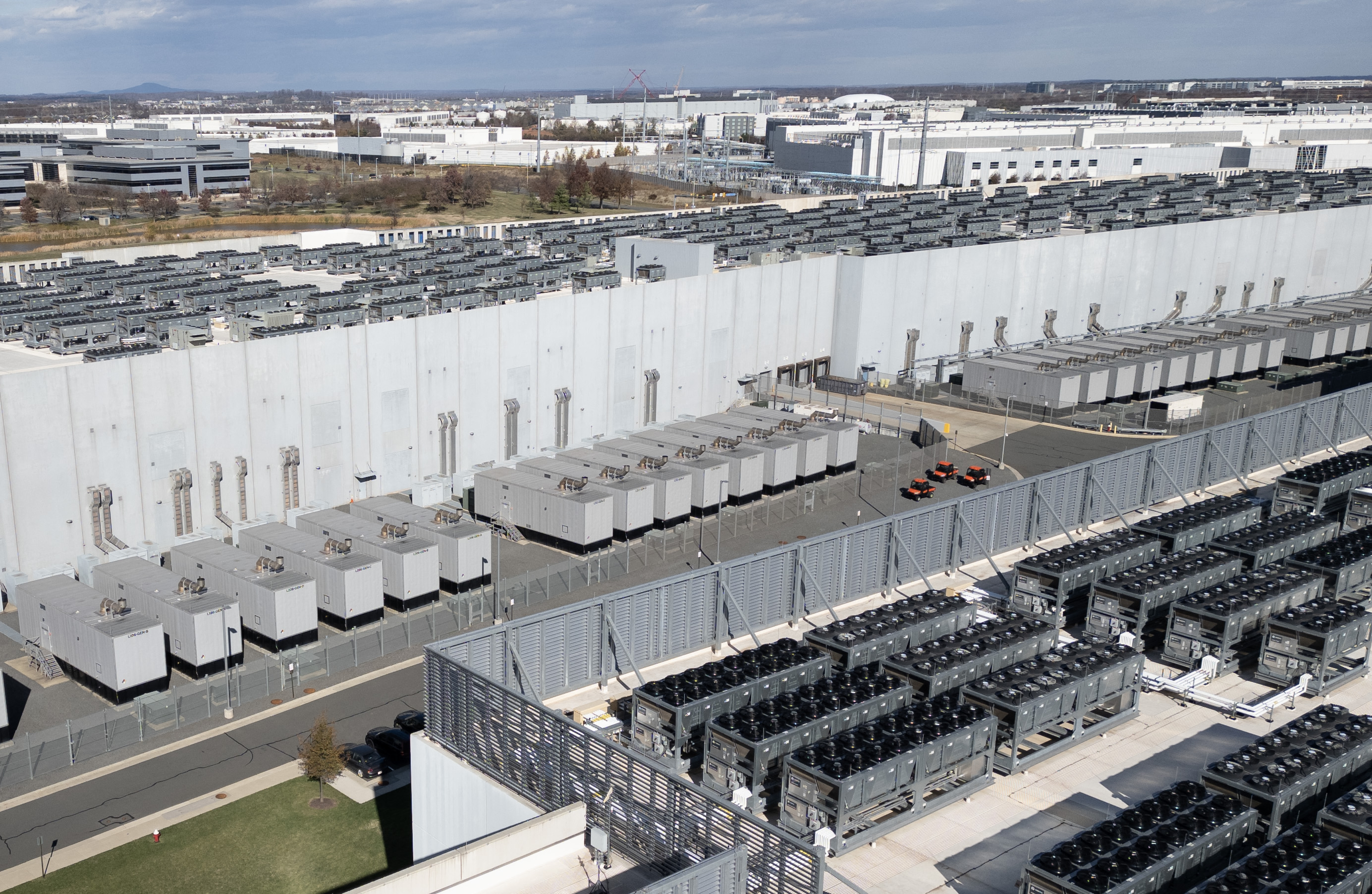
Data Centers in PJM Grid Can Rely Solely on Generators During the Cold, DOE Rules
Fossil Fuels

Data Centers in PJM Grid Can Rely Solely on Generators During the Cold, DOE Rules

January 29, 2026
Environmental Magazine

Environmental Magazine, Latest News, Opinions, Analysis Environmental Magazine. Follow us for more news about Enviroment and climate change from all around the world.

Learn more

Sections

  • Activism
  • Air
  • Climate Change
  • Energy
  • Fossil Fuels
  • News
  • Uncategorized
  • Water

Topics

Activism Air Climate Change Energy Fossil Fuels News Uncategorized Water

Recent News

Global Energy Transition Investment Grew in 2025 Despite Major Obstacles; Here Are the Numbers

Global Energy Transition Investment Grew in 2025 Despite Major Obstacles; Here Are the Numbers

January 30, 2026
Maine Again Looks North for Onshore Wind, but Full Grid Integration Will Have to Wait

Maine Again Looks North for Onshore Wind, but Full Grid Integration Will Have to Wait

January 30, 2026

© 2023 Environmental Magazine. All rights reserved.

No Result
View All Result
  • Home
  • News
  • Climate Change
  • Energy
  • Recycling
  • Air
  • Fossil Fuels
  • Water

© 2023 Environmental Magazine. All rights reserved.

This website uses cookies. By continuing to use this website you are giving consent to cookies being used. Visit our Privacy and Cookie Policy.