

Thursday, January 29, 2026
  • Privacy Policy
  • Contact
  • Terms & Conditions
Environmental Magazine
Advertisement
  • Home
  • News
  • Climate Change
  • Energy
  • Recycling
  • Air
  • Fossil Fuels
  • Water
No Result
View All Result
Environmental Magazine
  • Home
  • News
  • Climate Change
  • Energy
  • Recycling
  • Air
  • Fossil Fuels
  • Water
No Result
View All Result
Environmental Magazine
No Result
View All Result
Home Water

Submersible data loggers monitor the meteorological effects on freshwater macroinvertebrates

July 29, 2024
in Water
A A

Six Tinytag Aquatic 2 data loggers measure the water temperature of River Frome and River Piddle in Dorset to assess macroinvertebrate communities

This post includes sponsored content.

Inspired by the Environmental Change Network, with freshwater and terrestrial sites spread out all over the UK, freelance Freshwater Biologist John Davy-Bowker set up the River Lab Long Term Monitoring (RLLTM) project in Dorset. John’s project focuses on two chalk streams which flow independently and discharge into Poole Harbour: River Frome and River Piddle. Monitoring two sites close to each other makes it easier to see patterns from the data in relation to temperature to determine a common denominator (i.e., weather) in macroinvertebrate communities.

There are always at least two Tinytag Aquatic 2 (TG-4100) temperature data loggers in one location, with a third typically running as a backup, to measure the temperature of the rivers. The loggers record once every half an hour, providing year-round data from both rivers. This temperature data is evaluated alongside water level data and samples of macroinvertebrates to ultimately assess what drives the changes in stream macroinvertebrate communities through time. Water temperature is likely an important influencing factor in macroinvertebrate communities, which is why John monitors this parameter so closely.

At 14 years old, the RLLTM project is still in its early stages. The goal for the coming years is to continue to gather high-quality data for an extended period. However, some of the data has also contributed to other projects, such as Marsh et al’s ‘Warm winters and cool springs negatively influence recruitment of Atlantic salmon (Salmo salar L.) in a southern England chalk stream.’ Temperature data from the RLLTM programme was used to “calculate the mean water temperature during spawning and emergence.”

It can be difficult to sustain long-term monitoring projects using the same equipment – durability and quality are very important. At the start of this project almost 14 years ago, many freshwater biologists were still using traditional recorders with probes in the water and the device to the side of the river. This was not convenient and users often struggled to calibrate the equipment.

John instead chose Tinytag Aquatic 2 loggers because they are robust and submersible, ideal for being underwater for a long time. John adds, “The long battery life and robustness mean that I can confidently leave the loggers in place for a whole year with no concerns. I often think of them ceaselessly recoding the river temperatures while I’m snug and warm having my Christmas dinner!”

There is a convenient pillar on top of the logger to secure a shackle or seizing wire, stopping it from coming away underwater. There can be a lot of stress on underwater devices due to the varying weather and river conditions, but there is no need to worry about the Tinytag Aquatic 2 loggers being damaged, torn off, or washed away.

The RLLTM project’s loggers are periodically checked to ensure continuous recording. The convenient flashing red LED on the logger is useful to show that the loggers are still functioning correctly at just a glance, with a single flash every four seconds indicating that the logger is recording. All of the Aquatic 2 loggers involved in the programme to date have performed reliably without a single failure.

Another reason John Davy-Bowker chose Tinytag data loggers for the River Lab Long Term Monitoring Project is due to Gemini Data Loggers’ certificated calibration service, traceable to national standards. John comments, “the calibration service is fantastic. We download the data every year and then send the loggers off for calibration. We receive the loggers back with a certificate to prove the readings, fresh batteries installed, and new sealants, all ready to go again!”

Most of the rivers’ temperature readings fall between 5°C to 15°C. John praises the off-the-shelf calibration service measuring at points 0°C and 30°C, however, he typically uses our custom calibration service to receive 7 points of calibration, in 5°C increments from 0°C to 30°C, for greater confirmed accuracy. This gives him reassurance that all of his loggers are running well and providing the best possible data.

Impressed with the quality and durability of the loggers, John would “highly recommend Tinytag data loggers to any environmental scientists looking to record water temperature. They have served me very well for 14 years and I intend to continue using them for the foreseeable future.”

ShareTweetSharePinSendShare

Related Articles

Comment: Why predictive intelligence is non-negotiable for UK water
Water

Comment: Why predictive intelligence is non-negotiable for UK water

January 28, 2026
SEPA asks people in Scotland to help inform future flooding plans
Water

SEPA asks people in Scotland to help inform future flooding plans

January 26, 2026
Environmental monitoring expert listed in Sunday Times 2026 top 100 tech companies
Water

Environmental monitoring expert listed in Sunday Times 2026 top 100 tech companies

January 26, 2026
Time for a rethink on antibiotic-resistant bacteria?
Water

Time for a rethink on antibiotic-resistant bacteria?

January 22, 2026
Water stewardship needs “same level of urgency” as climate and biodiversity, says ISEP report
Water

Water stewardship needs “same level of urgency” as climate and biodiversity, says ISEP report

January 22, 2026
Water Discovery Challenge returns to bring more fresh thinking innovators into the water sector
Water

Water Discovery Challenge returns to bring more fresh thinking innovators into the water sector

January 20, 2026

Leave a Reply Cancel reply

Your email address will not be published. Required fields are marked *

Recommended

How We Got a Green Bank, How Trump Is Trying to Kill It and Who Gets Hurt

How We Got a Green Bank, How Trump Is Trying to Kill It and Who Gets Hurt

April 1, 2025
Judith Kimerling’s 1991 ‘Amazon Crude’ Exposed the Devastation of Oil Exploration in Ecuador. If Only She Could Make it Stop

Judith Kimerling’s 1991 ‘Amazon Crude’ Exposed the Devastation of Oil Exploration in Ecuador. If Only She Could Make it Stop

December 21, 2023

Don't miss it

Global Energy Transition Investment Grew in 2025 Despite Major Obstacles;  Here Are the Numbers
Energy

Global Energy Transition Investment Grew in 2025 Despite Major Obstacles;  Here Are the Numbers

January 29, 2026
Developer Calls GW Ranch in Pecos County, Texas, the ‘Largest Power Project’ in U.S.
Fossil Fuels

Developer Calls GW Ranch in Pecos County, Texas, the ‘Largest Power Project’ in U.S.

January 29, 2026
Data Centers in PJM Grid Can Rely Solely on Generators During the Cold, DOE Rules
Fossil Fuels

Data Centers in PJM Grid Can Rely Solely on Generators During the Cold, DOE Rules

January 29, 2026
Amid National Call to ‘Make Polluters Pay,’ Illinois Lawmakers Are Prepping a Climate Change Superfund Bill
Fossil Fuels

Amid National Call to ‘Make Polluters Pay,’ Illinois Lawmakers Are Prepping a Climate Change Superfund Bill

January 28, 2026
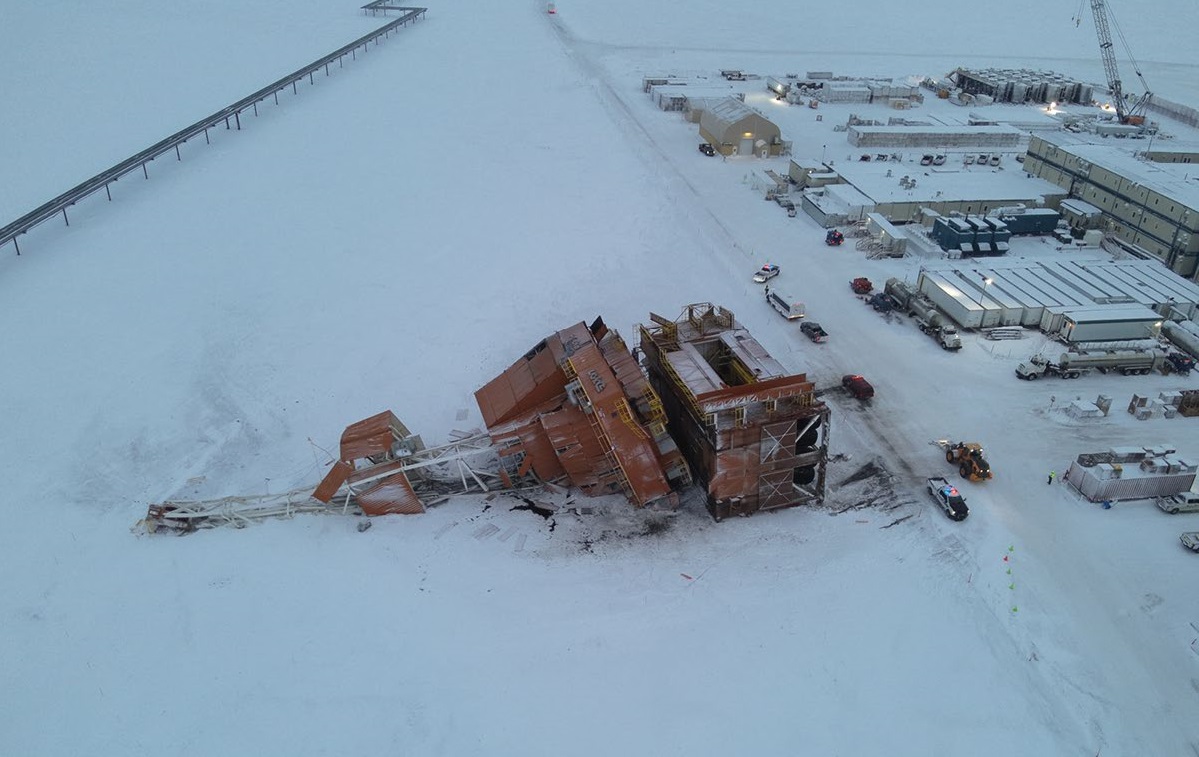
As an Oil Rig Topples in the Alaskan Arctic and Ignites a Fire, Exploration There Continues
Fossil Fuels

As an Oil Rig Topples in the Alaskan Arctic and Ignites a Fire, Exploration There Continues

January 28, 2026
 New Lawsuit Claims ‘Catastrophic Impacts’ From Permian Basin Injection Wells
Fossil Fuels

 New Lawsuit Claims ‘Catastrophic Impacts’ From Permian Basin Injection Wells

January 28, 2026
Environmental Magazine

Environmental Magazine, Latest News, Opinions, Analysis Environmental Magazine. Follow us for more news about Enviroment and climate change from all around the world.

Learn more

Sections

  • Activism
  • Air
  • Climate Change
  • Energy
  • Fossil Fuels
  • News
  • Uncategorized
  • Water

Topics

Activism Air Climate Change Energy Fossil Fuels News Uncategorized Water

Recent News

Global Energy Transition Investment Grew in 2025 Despite Major Obstacles;  Here Are the Numbers

Global Energy Transition Investment Grew in 2025 Despite Major Obstacles;  Here Are the Numbers

January 29, 2026
Developer Calls GW Ranch in Pecos County, Texas, the ‘Largest Power Project’ in U.S.

Developer Calls GW Ranch in Pecos County, Texas, the ‘Largest Power Project’ in U.S.

January 29, 2026

© 2023 Environmental Magazine. All rights reserved.

No Result
View All Result
  • Home
  • News
  • Climate Change
  • Energy
  • Recycling
  • Air
  • Fossil Fuels
  • Water

© 2023 Environmental Magazine. All rights reserved.

This website uses cookies. By continuing to use this website you are giving consent to cookies being used. Visit our Privacy and Cookie Policy.