

Saturday, February 7, 2026
  • Privacy Policy
  • Contact
  • Terms & Conditions
Environmental Magazine
Advertisement
  • Home
  • News
  • Climate Change
  • Energy
  • Recycling
  • Air
  • Fossil Fuels
  • Water
No Result
View All Result
Environmental Magazine
  • Home
  • News
  • Climate Change
  • Energy
  • Recycling
  • Air
  • Fossil Fuels
  • Water
No Result
View All Result
Environmental Magazine
No Result
View All Result
Home News

Plastic and non-stick cookware is likely adding thousands of microplastics to the human diet

June 17, 2024
in News
A A

A new collaborative study has shown that plastic and non-stick cookware can release microplastics into food during food preparation, with the study investigating the extent to which non-plastic, new plastic and old plastic cookware can contaminate food.

Microplastics can be produced by the degradation of larger plastic items or the direct release of tiny plastic particles. It is known to affect ecosystems worldwide, from the depths of the ocean to remote mountaintops, and has even been found in human organs.

Human uptake of microplastics can occur via inhalation of airborne fibres or ingestion of microplastic-contaminated foods and beverages.

Often containing harmful chemicals, microplastics contaminate water bodies, soil, and air, posing health concerns for both wildlife and humans.

This latest study was undertaken by Plymouth Marine Laboratory (PML), NORCE Norwegian Research Centre, SALT Lofoten and the Norwegian Institute for Water Research (NIVA).

Lead author Dr Matthew Cole, Senior Marine Ecologist and Ecotoxicologist at PML, said: “Our new study investigated the extent to which commonly used plastic cookware – including plastic food containers, chopping boards and utensils, and non-stick pans – can contaminate food through the release of microplastics. We also investigated the extent to which ‘new’ or ‘old’ plastic cookware and utensils can release microplastics, and whether the age or condition of the cookware made a difference in how many plastic particles were released.

To carry out the study, we used jelly as a proxy for food. Using jelly allowed us to imitate food preparation steps using its solid and liquid states. It also allowed us to more easily find any microplastics released from the cookware.”

The ‘food’ was prepared using either non-plastic, new plastic or old plastic cookware. The non-plastic cookware was made of stainless steel and glass, whereas the plastic cookware comprised plastic chopping boards, utensils and containers, silicone-coated utensils and polytetrafluoroethylene (PTFE) coated, non-stick pans. Non-plastic and new plastic cookware were purchased from domestic suppliers, while old plastic cookware was sourced from home kitchens, using equipment of similar polymer and morphology wherever feasible.

The food simulant was prepared with food processing methods commonly used in home kitchens, including heating, cooling, cutting, whisking and storage.

“Particles were extracted from the food simulant by liquifying and filtering the jelly, and then characterised using Micro Fourier Transform Infrared Spectroscopy imaging which provided the number, size and shape of microplastics present in the food simulant,” says NORCE researcher Dr Alessio Gomiero.

“Identification of polymer types and measurement of particle sizes were performed using an Infrared Imaging Microscope, which allows the detection of microplastics greater than 15 μm (0.015 mm). Additionally, the smallest and longest dimension of each particle was recorded.

Co-author Dr Amy Lusher of NIVA Norway added, “Much of the concern of microplastics in food products has grown from the presence of microplastics in seafood. We set out to look at alternative sources of microplastics to the human diet. Since much of our food preparation happens at home, the kitchen was a logical, yet overlooked, place to investigate.

Our results were concerning – showing that plastic cookware is likely adding thousands of microplastics into the human diet each year. Furthermore, it found that new and old plastic cookware significantly increased microplastic load in prepared food.

Assuming a meal was prepared daily per the prescribed methodology, new and old plastic cookware may be contributing 2409–4964 microplastics per annum into homecooked food. Non-plastic cookware did not introduce microplastics into prepared food.”

“The health implications of ingesting microplastics remains unclear.”

Access the paper: Microplastic and PTFE contamination of food from cookware.

ShareTweetSharePinSendShare

Related Articles

UK PFAS Plan leaves critics cold
News

UK PFAS Plan leaves critics cold

February 6, 2026
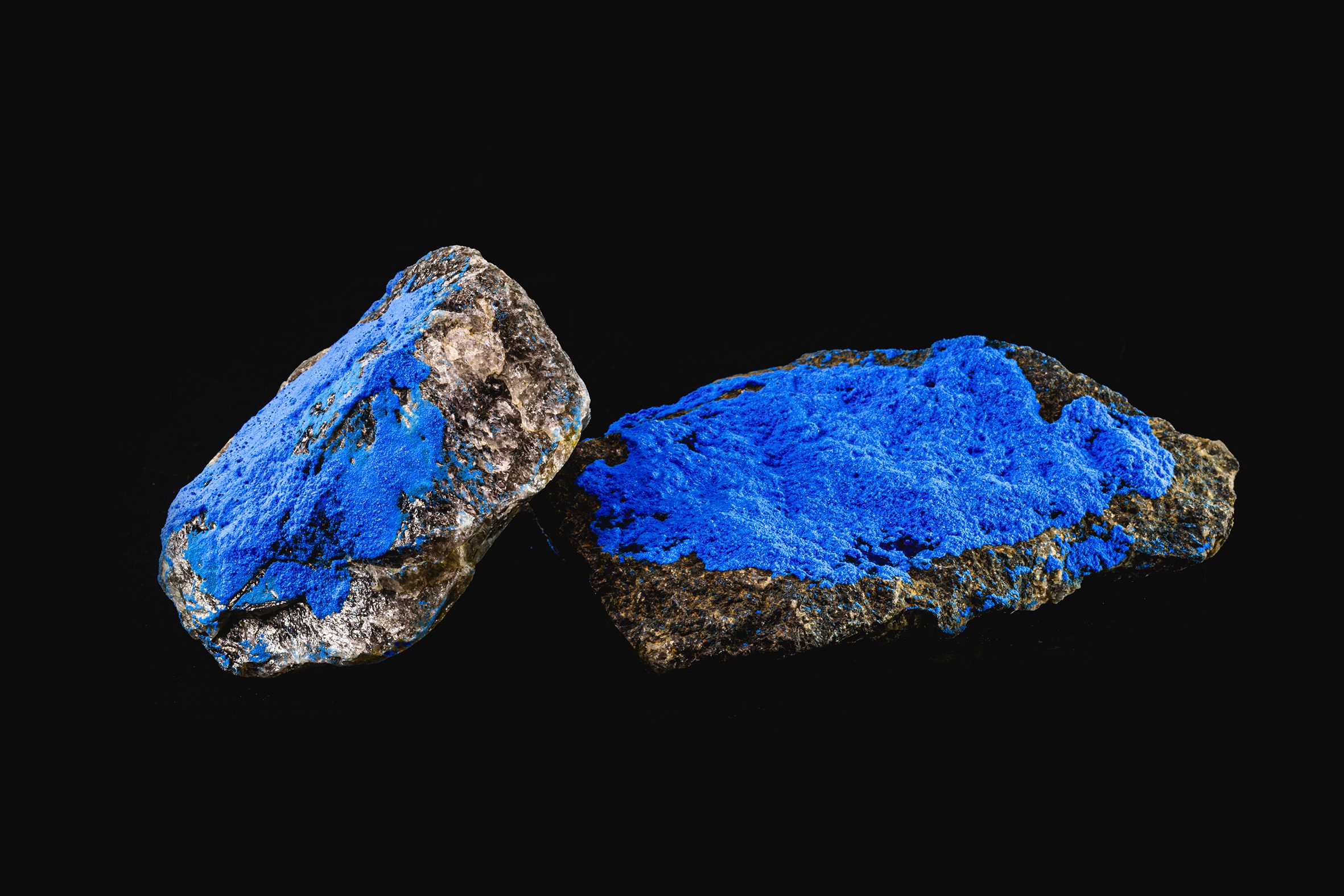
A rocky road ahead? EU risks running short of raw materials for renewables
News

A rocky road ahead? EU risks running short of raw materials for renewables

February 3, 2026
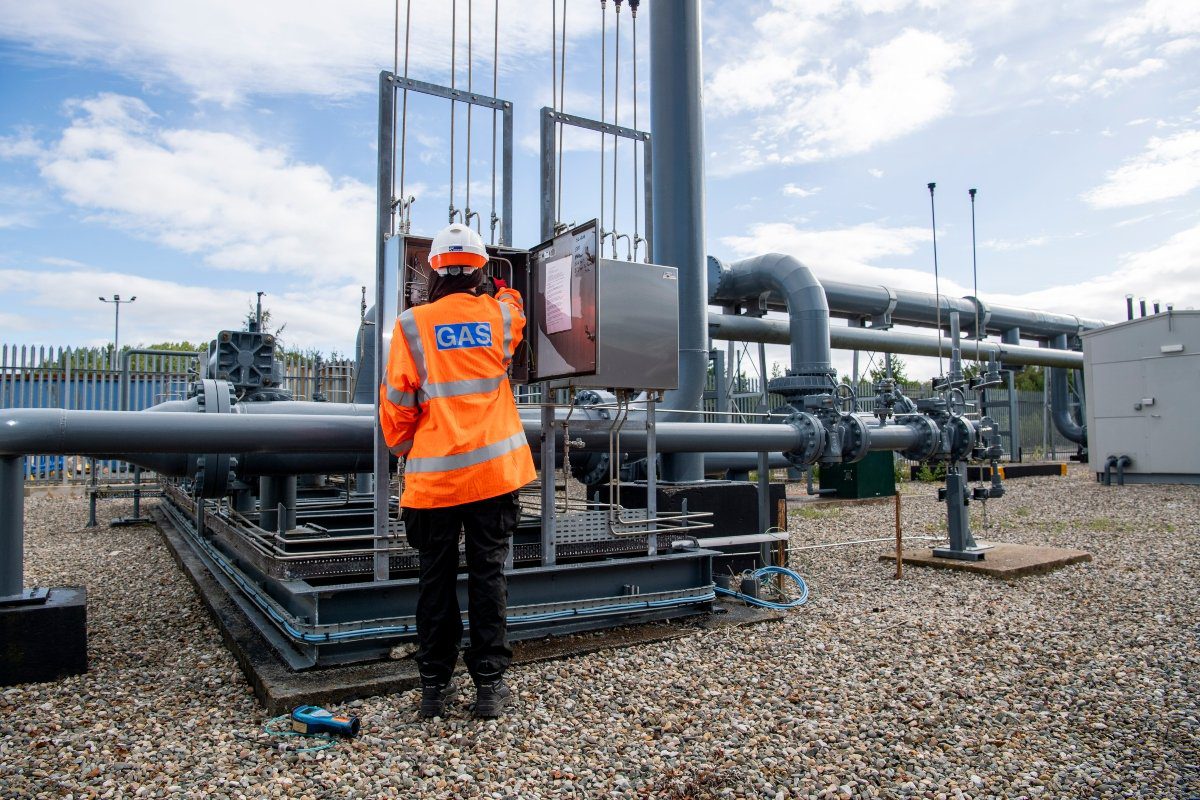
Cost-sharing model unlocks growth opportunities for connecting biomethane to the gas network
News

Cost-sharing model unlocks growth opportunities for connecting biomethane to the gas network

February 2, 2026
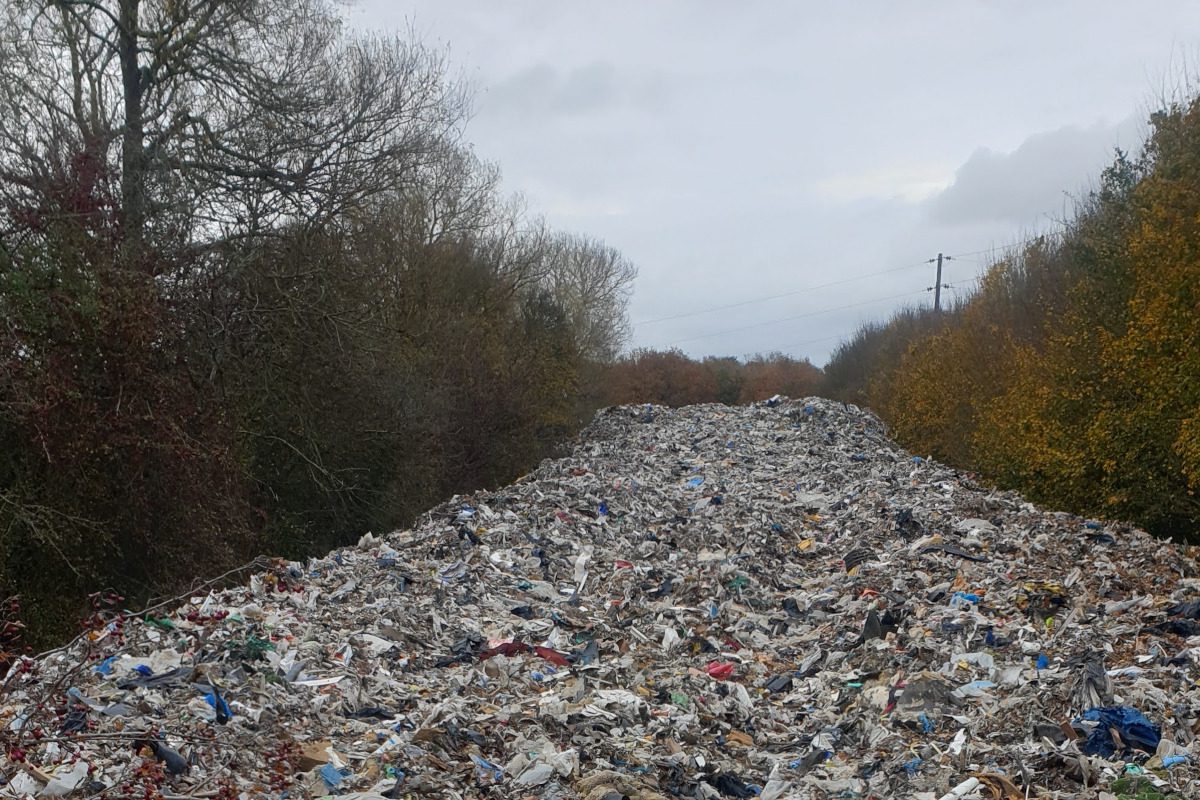
Late January arrests made over Oxfordshire illegal waste dump
News

Late January arrests made over Oxfordshire illegal waste dump

February 2, 2026
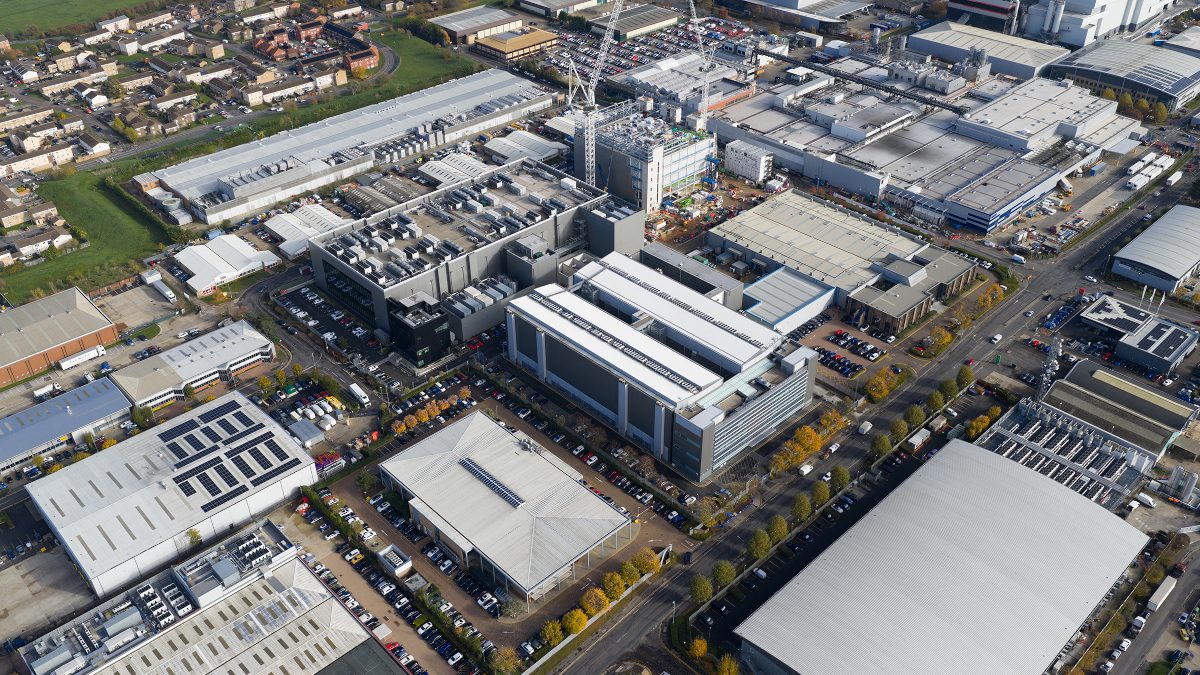
Waste heat from data centres could heat over 3.5 million UK homes
News

Waste heat from data centres could heat over 3.5 million UK homes

January 28, 2026
Record wasted wind could have powered every home in London in 2025
News

Record wasted wind could have powered every home in London in 2025

January 26, 2026

Leave a Reply Cancel reply

Your email address will not be published. Required fields are marked *

Recommended

Cost parity for sustainable shipping fuels achievable by 2035

Cost parity for sustainable shipping fuels achievable by 2035

March 25, 2024
New Lake Will Fuel Petrochemical Expansion on Texas Coast

New Lake Will Fuel Petrochemical Expansion on Texas Coast

March 8, 2024

Don't miss it

The State of Environmental Justice Under Trump 2.0
Activism

The State of Environmental Justice Under Trump 2.0

February 7, 2026
A Groundbreaking Geothermal Heating and Cooling Network Saves This Colorado College Money and Water
Energy

A Groundbreaking Geothermal Heating and Cooling Network Saves This Colorado College Money and Water

February 7, 2026
Georgia Power Gas Expansion Would Drive Significant Climate-Damaging Pollution
Fossil Fuels

Georgia Power Gas Expansion Would Drive Significant Climate-Damaging Pollution

February 7, 2026
Pennsylvania Must Act to Limit Greenhouse Gases, Lawyers Argue
Energy

Pennsylvania Must Act to Limit Greenhouse Gases, Lawyers Argue

February 6, 2026
Solar Siting Reforms Advance in Virginia After Years of Failed Attempts
Energy

Solar Siting Reforms Advance in Virginia After Years of Failed Attempts

February 6, 2026
California Explores First-Time Regulation on Dairy Methane Emissions
Fossil Fuels

California Explores First-Time Regulation on Dairy Methane Emissions

February 6, 2026
Environmental Magazine

Environmental Magazine, Latest News, Opinions, Analysis Environmental Magazine. Follow us for more news about Enviroment and climate change from all around the world.

Learn more

Sections

  • Activism
  • Air
  • Climate Change
  • Energy
  • Fossil Fuels
  • News
  • Uncategorized
  • Water

Topics

Activism Air Climate Change Energy Fossil Fuels News Uncategorized Water

Recent News

The State of Environmental Justice Under Trump 2.0

The State of Environmental Justice Under Trump 2.0

February 7, 2026
A Groundbreaking Geothermal Heating and Cooling Network Saves This Colorado College Money and Water

A Groundbreaking Geothermal Heating and Cooling Network Saves This Colorado College Money and Water

February 7, 2026

© 2023 Environmental Magazine. All rights reserved.

No Result
View All Result
  • Home
  • News
  • Climate Change
  • Energy
  • Recycling
  • Air
  • Fossil Fuels
  • Water

© 2023 Environmental Magazine. All rights reserved.

This website uses cookies. By continuing to use this website you are giving consent to cookies being used. Visit our Privacy and Cookie Policy.