

Wednesday, February 4, 2026
  • Privacy Policy
  • Contact
  • Terms & Conditions
Environmental Magazine
Advertisement
  • Home
  • News
  • Climate Change
  • Energy
  • Recycling
  • Air
  • Fossil Fuels
  • Water
No Result
View All Result
Environmental Magazine
  • Home
  • News
  • Climate Change
  • Energy
  • Recycling
  • Air
  • Fossil Fuels
  • Water
No Result
View All Result
Environmental Magazine
No Result
View All Result
Home Water

1 4 Dioxane Removal From Water For Global Life Sciences Company

February 1, 2024
in Water
A A


This article contains paid for content produced in collaboration with Arvia.

Regulations for the use of 1,4-dioxane tightened up in the US, putting pressure on chemical manufacturers. Several US states passed laws to control the concentration of 1,4-dioxane as a product ingredient. The new laws did not yet affect wastewater concentrations, but it seems a foregone conclusion that this would happen.

Client: Global Life Sciences and Consumer Care Company

The client had faced questions from many customers as to their use of 1,4-dioxane, in the light of US regulation changes. Simultaneously the board had set some challenging CSR goals in response to the situation, in an effort to do the right thing and gain competitive advantage.

The UK headquarters set up a global team to meet and discuss 1,4-dioxane removal at their ethoxylation sites across the world. This included Europe, Asia and the US.

Problem: To reduce 1,4-dioxane to <0.3ppb

After reviewing BAT for 1,4-dioxane removal from water, they approached Arvia Technology to help ensure they did not discharge more than 0.3ppb at any time.

Solution

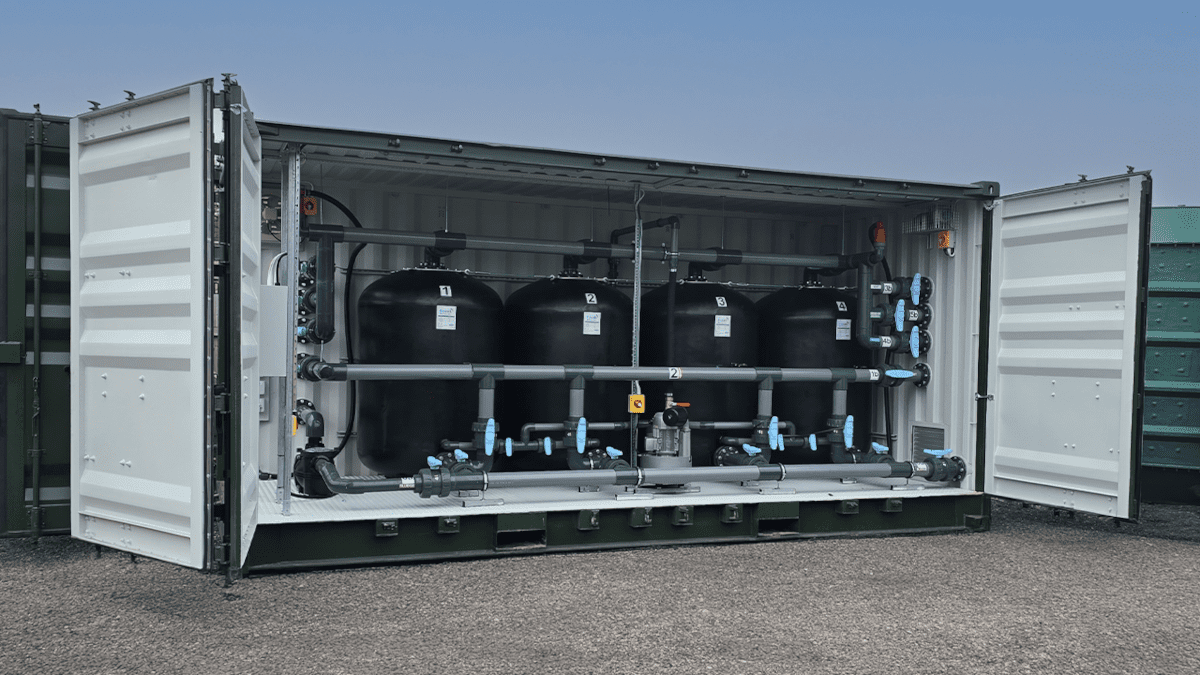
Arvia is a leading electrochemical oxidation expert and has developed a range of water treatment systems which target persistent organic chemicals such as 1,4-dioxane. See here.

Nyex Ellenox was piloted at Arvia’s UK HQ and was able to reduce 1,4-dioxane from 1800mg/L to 0.2ppb, well below the target.

Simon Gatcliffe, Arvia’s CEO explained, “We’ve demonstrated we have a solution to support our global clients having met US state level requirement of <0.46ppb. Our Ellenox system uses electrochemical oxidation to mineralise organic pollutants. We have tuned every aspect of the design and now achieve very competitive OpEx.”

Result

The client is now looking to roll out full scale plants at their US sites. Following successful installation, they plan to cover all of their production sites which use 1,4-dioxane.

To find out more, visit their website.
ShareTweetSharePinSendShare

Related Articles

Comment: Why predictive intelligence is non-negotiable for UK water
Water

Comment: Why predictive intelligence is non-negotiable for UK water

January 28, 2026
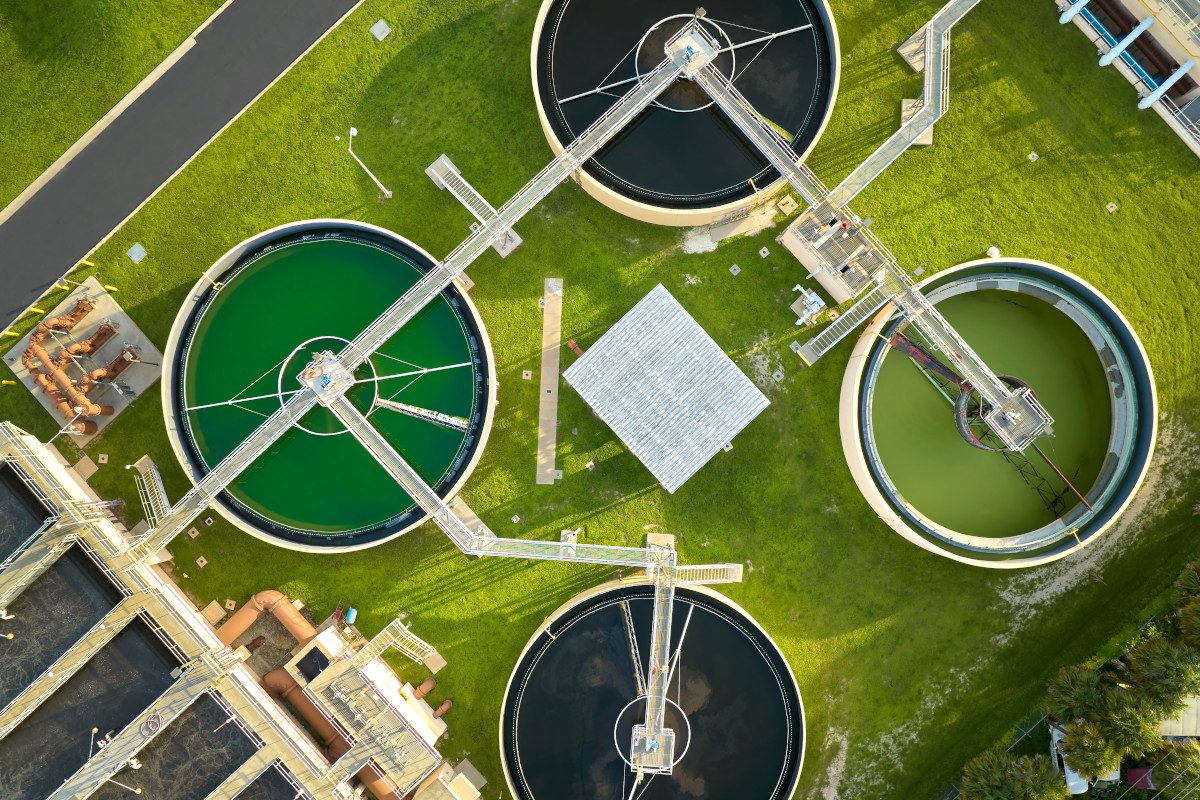
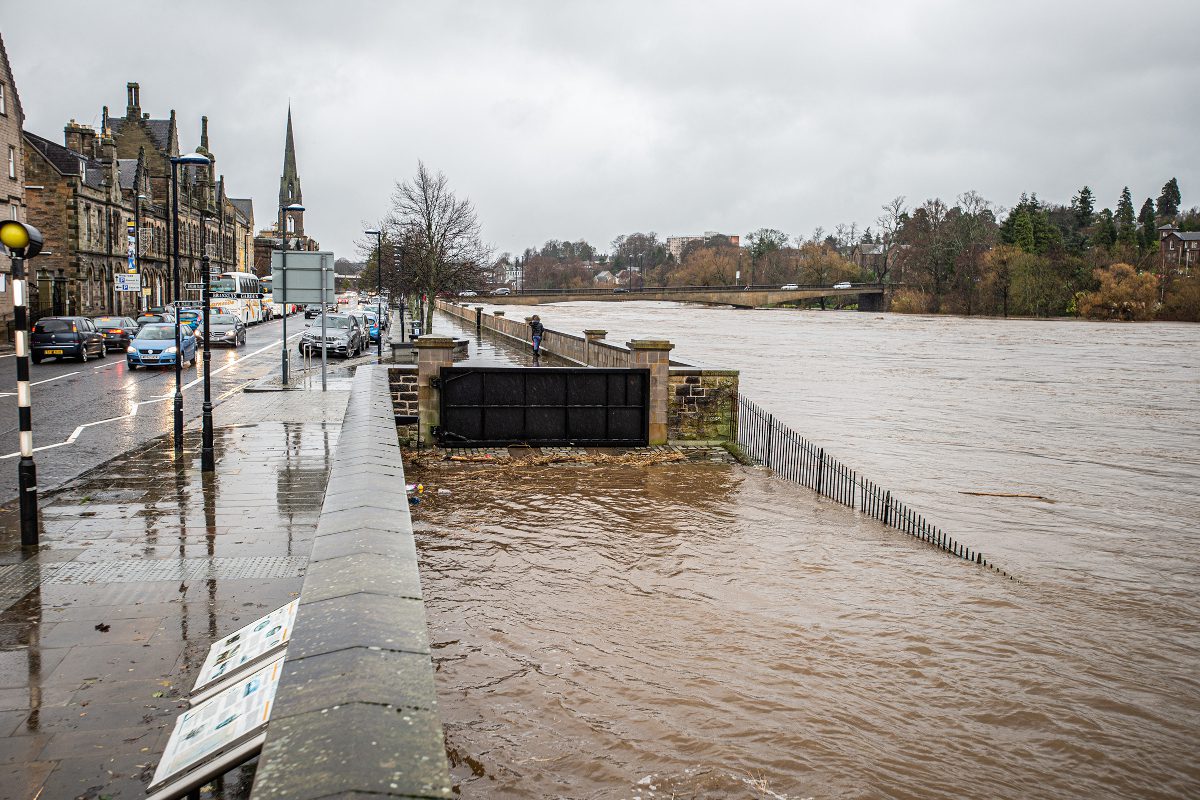
SEPA asks people in Scotland to help inform future flooding plans
Water

SEPA asks people in Scotland to help inform future flooding plans

January 26, 2026
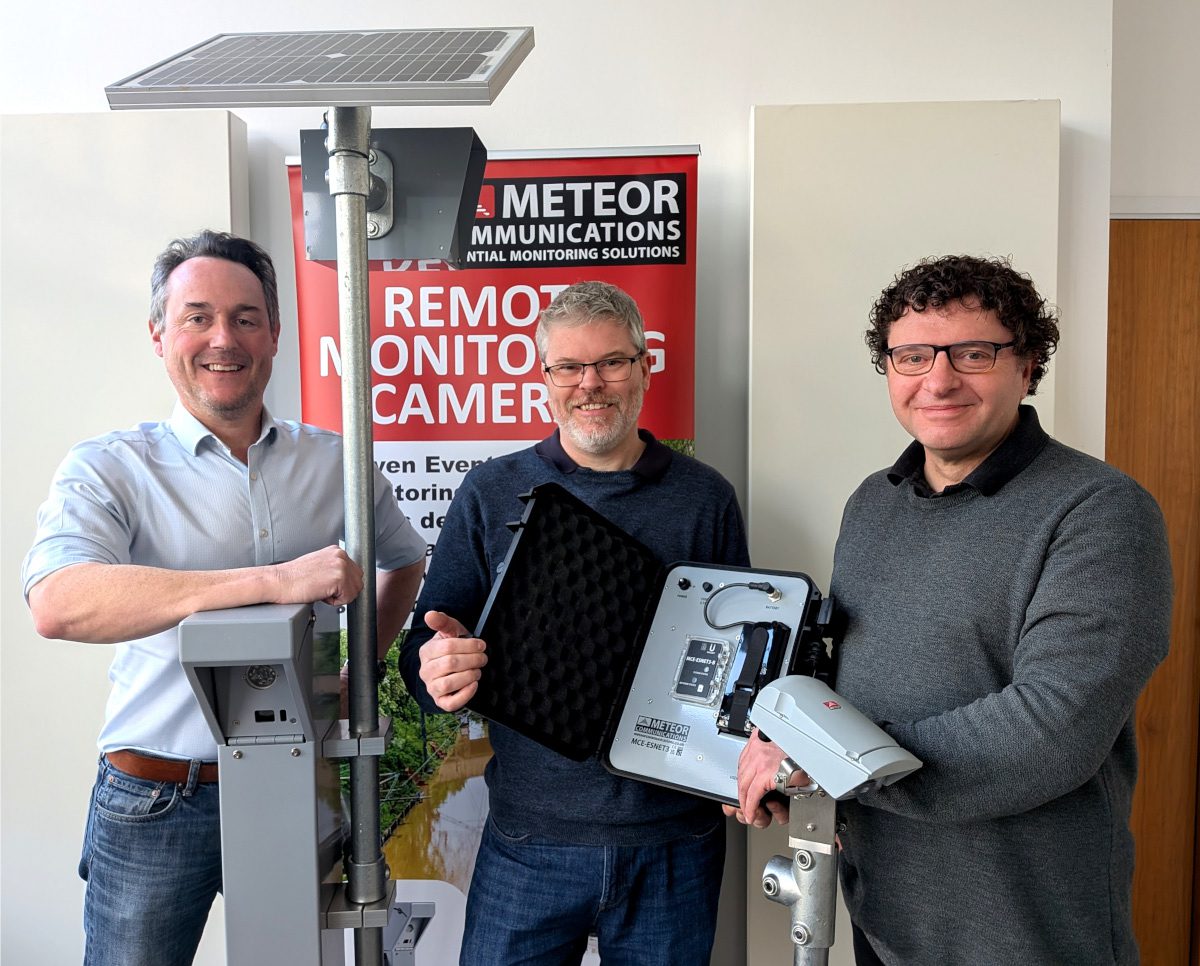
Environmental monitoring expert listed in Sunday Times 2026 top 100 tech companies
Water

Environmental monitoring expert listed in Sunday Times 2026 top 100 tech companies

January 26, 2026
Time for a rethink on antibiotic-resistant bacteria?
Water

Time for a rethink on antibiotic-resistant bacteria?

January 22, 2026
Water stewardship needs “same level of urgency” as climate and biodiversity, says ISEP report
Water

Water stewardship needs “same level of urgency” as climate and biodiversity, says ISEP report

January 22, 2026
Water Discovery Challenge returns to bring more fresh thinking innovators into the water sector
Water

Water Discovery Challenge returns to bring more fresh thinking innovators into the water sector

January 20, 2026

Leave a Reply Cancel reply

Your email address will not be published. Required fields are marked *

Recommended

Washington Law Attempts to Fill the Void in Federal Regulation of Hazardous Chemicals

Washington Law Attempts to Fill the Void in Federal Regulation of Hazardous Chemicals

January 1, 2024
Getting to the bottom of EPDs

Getting to the bottom of EPDs

June 19, 2024

Don't miss it

Europe’s hidden methane impact from landfills: New study
Air

Europe’s hidden methane impact from landfills: New study

February 3, 2026
A rocky road ahead? EU risks running short of raw materials for renewables
News

A rocky road ahead? EU risks running short of raw materials for renewables

February 3, 2026
EV Charging Program Faces the Axe in Budget Bill
Energy

EV Charging Program Faces the Axe in Budget Bill

February 2, 2026
Cost-sharing model unlocks growth opportunities for connecting biomethane to the gas network
News

Cost-sharing model unlocks growth opportunities for connecting biomethane to the gas network

February 2, 2026
Late January arrests made over Oxfordshire illegal waste dump
News

Late January arrests made over Oxfordshire illegal waste dump

February 2, 2026
‘Toxic Colonialism’ on the Bay of Bengal
Activism

‘Toxic Colonialism’ on the Bay of Bengal

February 2, 2026
Environmental Magazine

Environmental Magazine, Latest News, Opinions, Analysis Environmental Magazine. Follow us for more news about Enviroment and climate change from all around the world.

Learn more

Sections

  • Activism
  • Air
  • Climate Change
  • Energy
  • Fossil Fuels
  • News
  • Uncategorized
  • Water

Topics

Activism Air Climate Change Energy Fossil Fuels News Uncategorized Water

Recent News

Europe’s hidden methane impact from landfills: New study

Europe’s hidden methane impact from landfills: New study

February 3, 2026
A rocky road ahead? EU risks running short of raw materials for renewables

A rocky road ahead? EU risks running short of raw materials for renewables

February 3, 2026

© 2023 Environmental Magazine. All rights reserved.

No Result
View All Result
  • Home
  • News
  • Climate Change
  • Energy
  • Recycling
  • Air
  • Fossil Fuels
  • Water

© 2023 Environmental Magazine. All rights reserved.

This website uses cookies. By continuing to use this website you are giving consent to cookies being used. Visit our Privacy and Cookie Policy.